
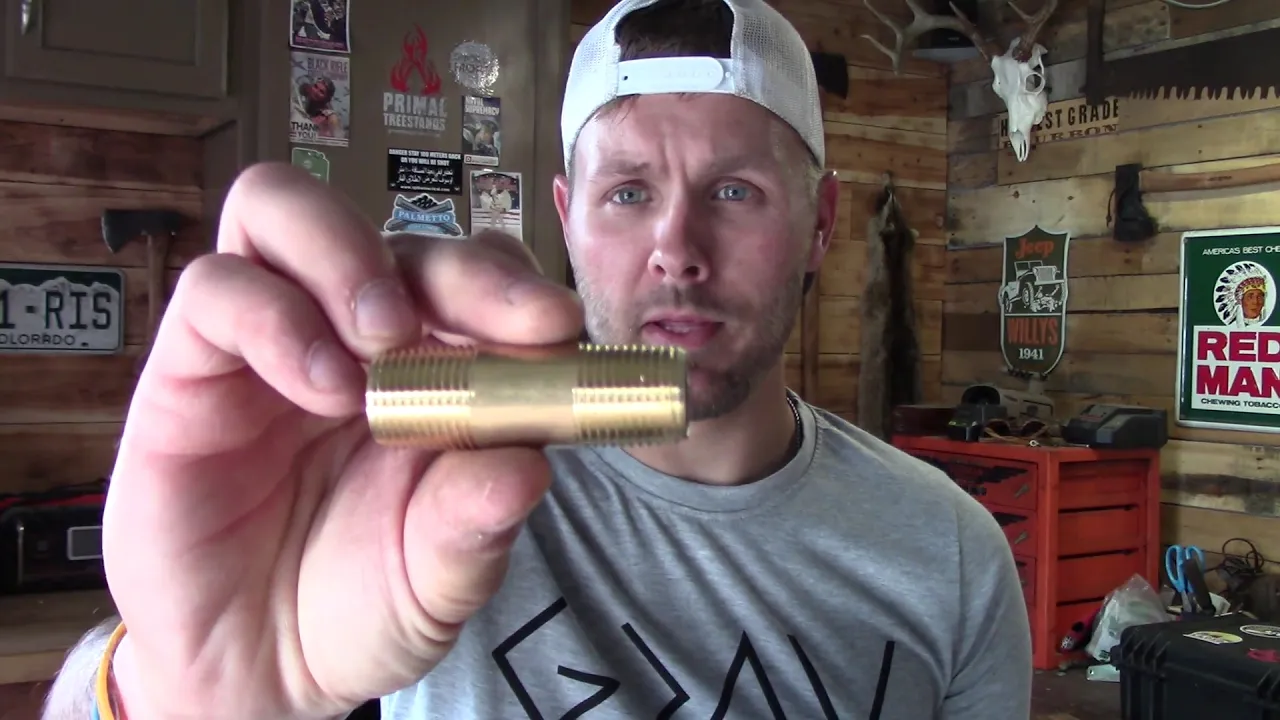
How to Properly Apply Thread Seal Tape (Teflon Tape)
About This Project
This guide provides step-by-step instructions for correctly applying PTFE thread seal tape, commonly known as Teflon tape, to male pipe threads to create a watertight, leak-free seal for plumbing connections like shower heads, faucets, and other threaded fittings.
Best for beginners and first-time DIYers with basic plumbing knowledge.
Tools & Materials

THE CLEAN STORE Microfiber Pink/White Cleaning Cloths (Pack of 100) 79136
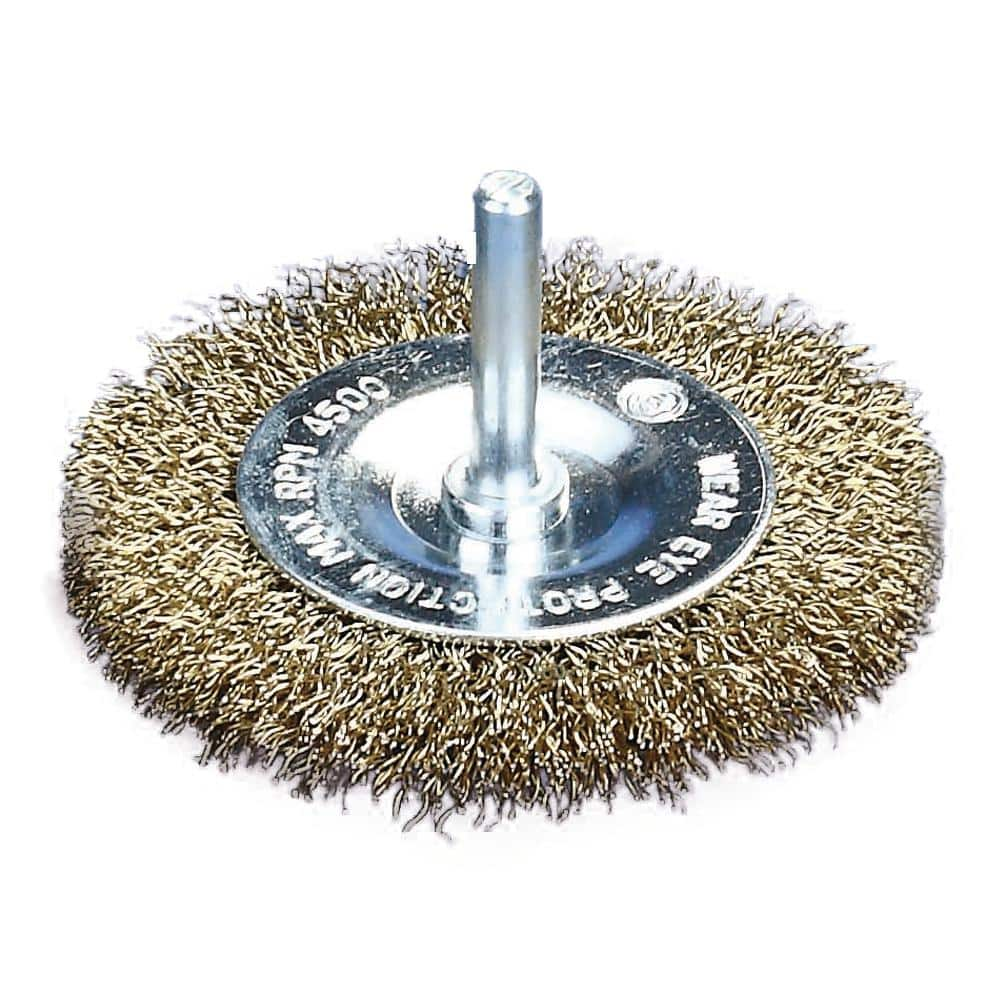
Robtec 3 in. x 1/4 in. Shank Crimped Brass Coated Steel Wire Wheel Brush 300WRCS12
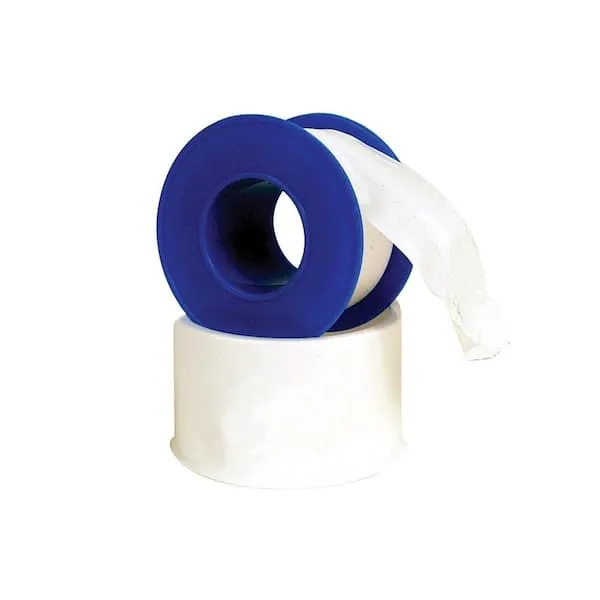
Teflon Tape
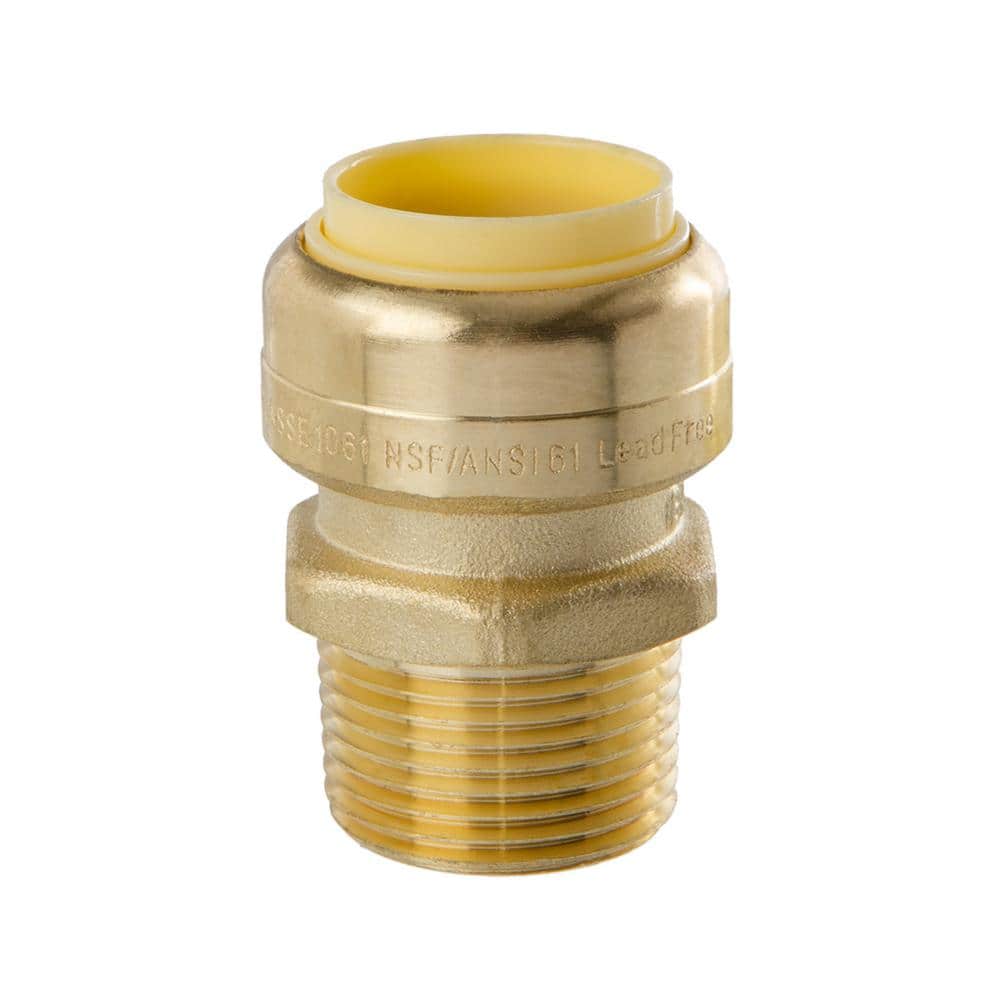
LittleWell 3/4 in. x 3/4 in. Brass Male Pipe Push-Fit Thread Coupling ACPF12MPT12
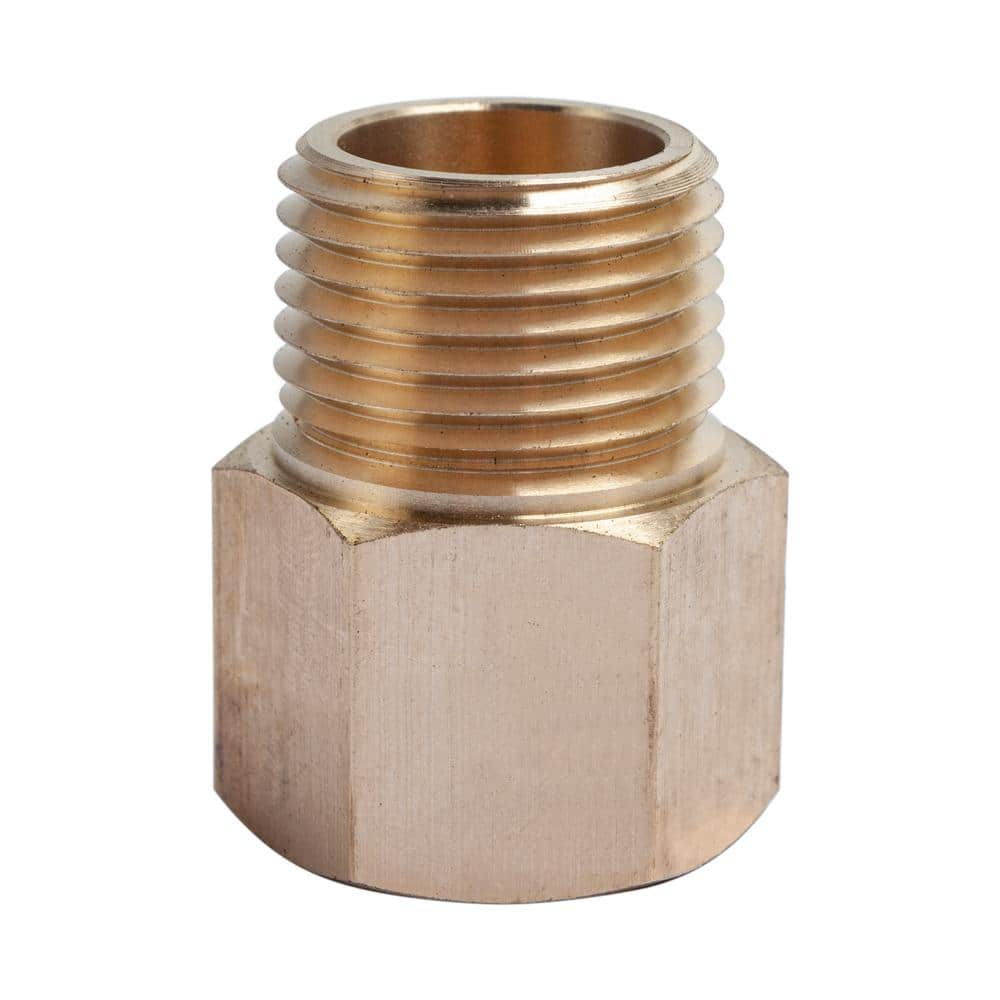
LTWFITTING 1/2 in. FIP x 1/2 in. MIP Brass Pipe Adapter Fitting (5-Pack) HF1028805
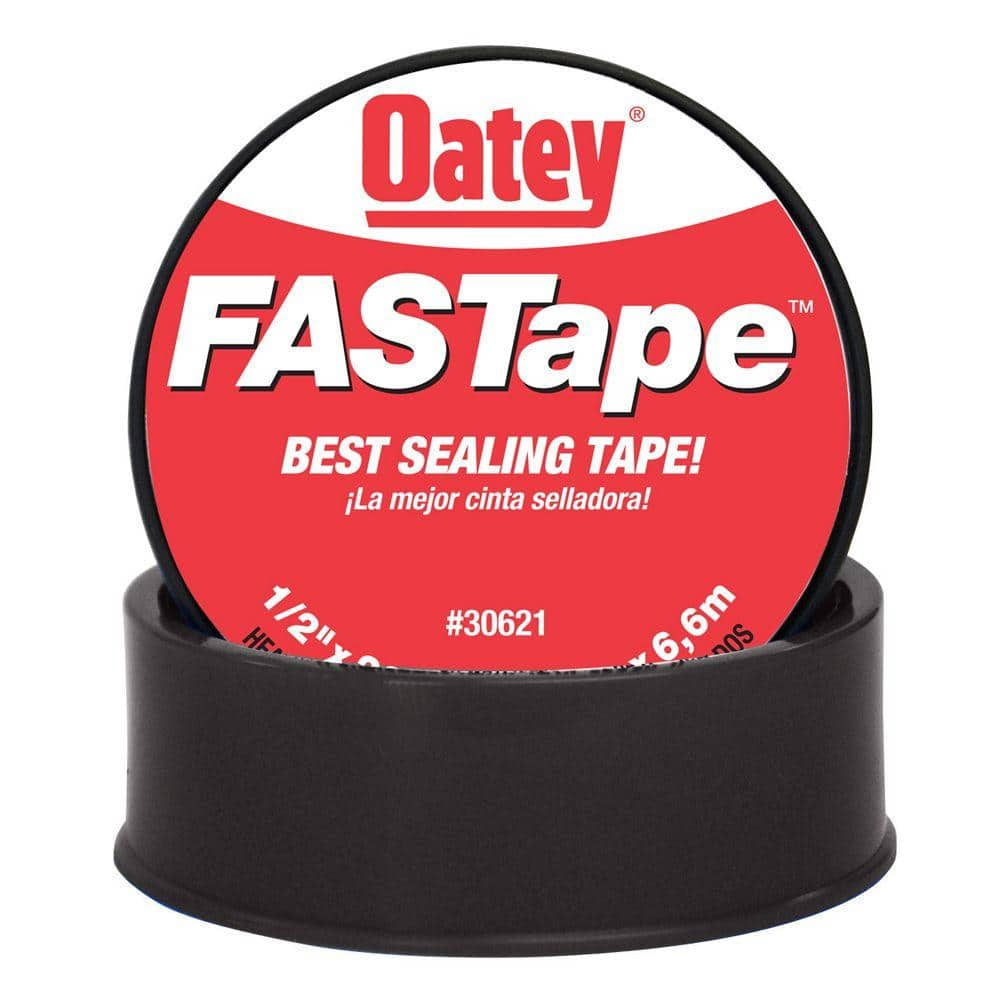
Oatey Fastape 1/2 in. x 260 in. Thread Sealing PTFE Plumber's Tape 306212
THE CLEAN STORE Microfiber Pink/White Cleaning Cloths (Pack of 100) 79136
The Pull N Wipe Microfiber Cleaning Rags are the ideal cleaning cloths for all your cleaning needs. Whether you keep a box at Home to clean around the house, In the Kitchen to clean up after cooking or
Robtec 3 in. x 1/4 in. Shank Crimped Brass Coated Steel Wire Wheel Brush 300WRCS12
Robtec 3 in. crimped brass coated steel wire wheel brush is a great tool for fast light duty cleaning and polishing. Excellent for deburring and removing paint, rust and scale from steel surfaces. For
Teflon Tape
Seals pipe threads without leaks.
LittleWell 3/4 in. x 3/4 in. Brass Male Pipe Push-Fit Thread Coupling ACPF12MPT12
iSpring LittleWell 3/4 in. push-fit x male pipe thread lead-free brass coupling is the easiest way to connect 2-plumbing pipes in both residential and commercial applications. The coupling features a lead-free solid brass body with push-fit connections to create solid seals and gives you a 3/4 in. Male NPT adapter on the opposite end. iSpring LittleWell push-fit fittings allow you to join copper, CPVC or PEX pipes in any combination with no glue, soldering, clamps or unions. Just insert the pipe and the inside stainless steel teeth bite down and grip tight, while a specially formulated O-ring compresses to create a perfect seal. Disassembly is also easy with the use of the simple removal tool so fittings and valves can be easily separated and reused. It can also be used for waste water processing.
LTWFITTING 1/2 in. FIP x 1/2 in. MIP Brass Pipe Adapter Fitting (5-Pack) HF1028805
This LTWFITTING Pipe Adapter fitting is made of brass for durable. Male National Pipe Taper (NPT) threads on one end and female NPT threads on the other for connecting pipes with different ends. Primary
Oatey Fastape 1/2 in. x 260 in. Thread Sealing PTFE Plumber's Tape 306212
Oatey FasTape is an all-purpose, professional-grade PTFE thread-sealing tape designed for use on a wide range of threaded pipes. It can be used on virtually any piping system including: Stainless steel,
Steps

Clean and Prepare the Threads
1 minBefore applying any tape, thoroughly inspect and clean the male threads on the pipe. Use a clean rag to wipe away any dirt, oil, or debris. If there is old tape, sealant, or corrosion, use a wire brush to gently scrub the threads clean. A clean surface is essential for the tape to adhere properly and create a good seal.

Position the Tape
1 minHold the spool of thread seal tape in one hand and the end of the male-threaded pipe in the other. Place the end of the tape on the second thread from the end of the pipe. Holding the tape flat against the threads with your thumb, ensure the tape is positioned to wrap in a clockwise direction (when looking at the end of the pipe).

Wrap the Threads Clockwise
1 minMaintain light tension on the tape and begin wrapping it around the threads in a clockwise direction. The direction is critical: as you tighten the female fitting (which also turns clockwise), it will tighten the tape, not unravel it. Overlap the tape by about half its width on each rotation. Continue wrapping up the pipe, covering all the threads that will be engaged by the fitting. For standard 1/2-inch or 3/4-inch water pipes, 3 to 5 full wraps are typically sufficient.

Secure the End of the Tape
1 minOnce you have completed the required number of wraps, pull the tape taut and tear it from the spool. There's no need to cut it with a tool; a firm pull will snap it cleanly. After tearing, press the loose end of the tape firmly against the wrapped threads to ensure it is smooth and secure and won't interfere with threading the fitting.

Assemble and Tighten the Fitting
1 minWith the male threads now properly wrapped, you can thread the female fitting (e.g., the shower head) onto the pipe. Start by hand-tightening to ensure it's not cross-threaded. The connection should feel smooth as you tighten it. Use an appropriate tool, like a pipe wrench or adjustable wrench, to tighten the fitting further, typically an additional one to two full turns past hand-tight. Do not over-tighten, as the tape provides lubrication and makes it easy to crack the fitting.
Common Problems
Leaking pipes due to incomplete thread coverage.
Solution: Ensure the sealant covers all the tape and threads for a complete seal.
Tape slips and leaks when pipe dope is applied underneath thread tape.
Solution: Always apply pipe dope over the thread tape, not underneath it. Applying it underneath can make the tape slip and defeats its purpose.
Incorrect tape choice leads to leaks.
Solution: The pink Teflon tape shown is a heavy-duty type often used by plumbers, but standard white Teflon tape will also work for this application.
Leaky connections due to unseen gaps in tape coverage.
Solution: The pipe dope helps fill any microscopic voids that the tape might miss.
Leaky connections due to improperly sealed threads.
Solution: Make sure to cover all the threads to prevent leaks. An alternative to pipe sealant paste is Teflon tape.
Uneven tape application and difficulty controlling the roll.
Solution: Place your index finger in the center of the spool to easily control the roll as you wrap.
Do not wrap the very first thread, as this can cause tape to get inside the pipe and potentially clog downstream components.
Solution: To avoid this issue: Be mindful of this warning and take appropriate precautions.
Frequently Asked Questions
Why is it crucial to wrap the thread seal tape clockwise on the pipe threads?
Wrapping the tape clockwise ensures that it tightens onto the threads as you screw in the fitting. If wrapped counter-clockwise, the tape can unravel, bunch up, or tear, which will compromise the seal and lead to leaks. Always align the tape so the direction of wrap follows the thread's rotation.
How much thread seal tape should I apply, and how do I know if it's enough or too much?
Generally, 3-5 full wraps of PTFE tape are sufficient for a secure, leak-free seal on most pipe threads. You'll know it's enough when the fitting feels snug and threads smoothly but firmly. Too little tape won't seal, while too much can make it difficult to tighten or even risk cracking the fitting due to excessive pressure.
Why do I need to clean the pipe threads before applying the thread seal tape?
Cleaning the threads with a cloth, like the THE CLEAN STORE Microfiber cloths, removes any dirt, debris, grease, or old sealant residues. A clean surface ensures the PTFE tape adheres properly to the threads, creating a consistent and effective seal. Any foreign material can prevent the tape from fully conforming to the threads, leading to leaks.
Can I use an alternative to PTFE thread seal tape, such as pipe dope, for these plumbing connections?
Yes, pipe dope (thread sealant compound) is a common alternative that can be used instead of or in conjunction with PTFE tape for plumbing connections. It's often preferred for larger pipes or where tape application is difficult. Ensure any alternative sealant you use is rated for plumbing applications and suitable for the materials involved.
My connection is still leaking after applying the thread seal tape. What should I troubleshoot?
If a leak persists, carefully loosen the fitting and inspect the tape application. Common issues include wrapping the tape counter-clockwise, not using enough layers (aim for 3-5), or tearing/bunching during application. Re-clean the threads, re-wrap the tape clockwise, ensuring smooth, snug layers, and then re-tighten the fitting firmly but without excessive force.
Do I absolutely need specific wrenches like an adjustable wrench or pipe wrench for this project, or can I hand-tighten?
Wrenches are essential for this project because hand-tightening alone is rarely sufficient to create a watertight seal. Tools like an adjustable wrench or a TradesPro pipe wrench allow you to apply the necessary torque to properly compress the thread seal tape and securely seat the fitting. This ensures a durable, leak-free connection and prevents potential drips.