How to Fix Low Water Pressure in Only the Hot Water Lines
About This Project
This guide provides comprehensive, step-by-step instructions for diagnosing and resolving low water pressure that affects only the hot water lines in a home. The primary focus is on the most common culprit: sediment buildup in a standard tank-style water heater. The process involves initial diagnostic checks, a full system flush to remove mineral deposits, and instructions for safely returning the system to operation.
Best for experienced DIYers and homeowners with some experience with basic plumbing knowledge. Requires Safety gloves and HDX Indoor Safety Glasses Clear (1-Pack) VS-9300, clear.
Tools & Materials
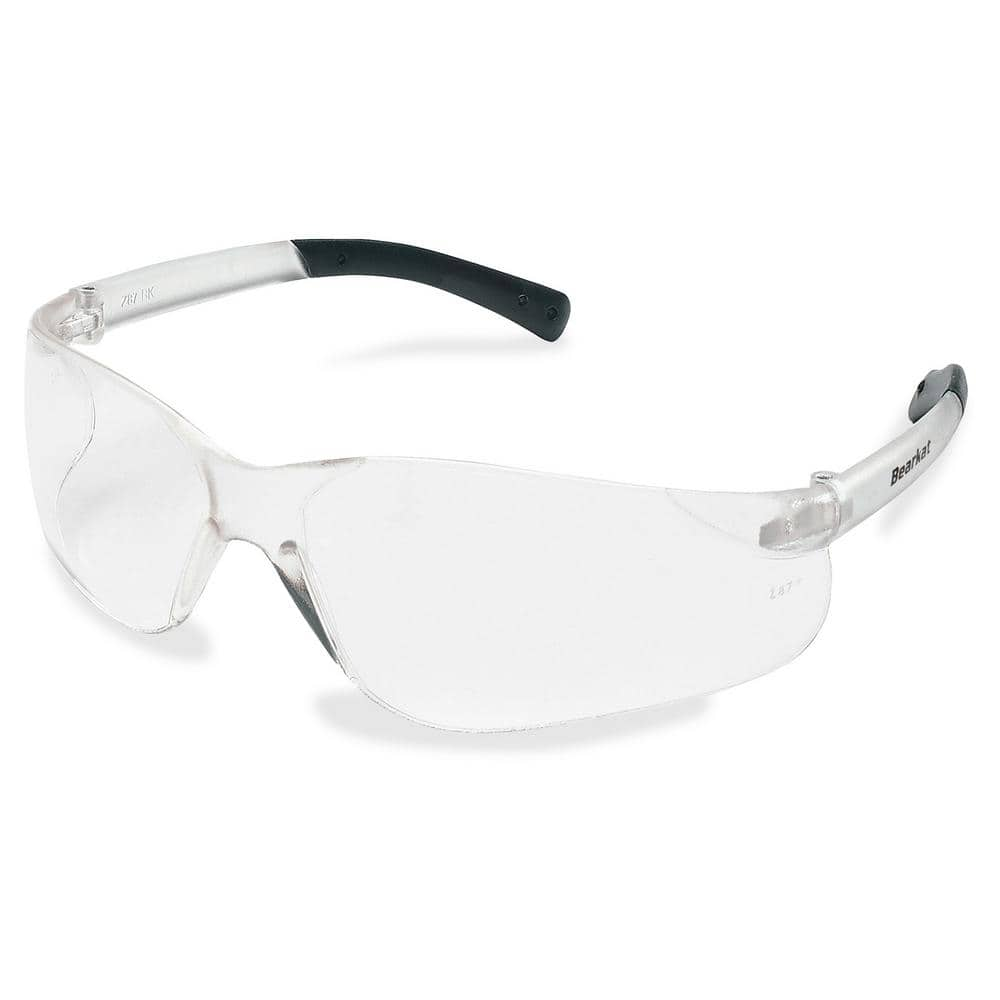
MCR Safety BearKat Safety Glasses MCSCRWBK110

Work Gloves
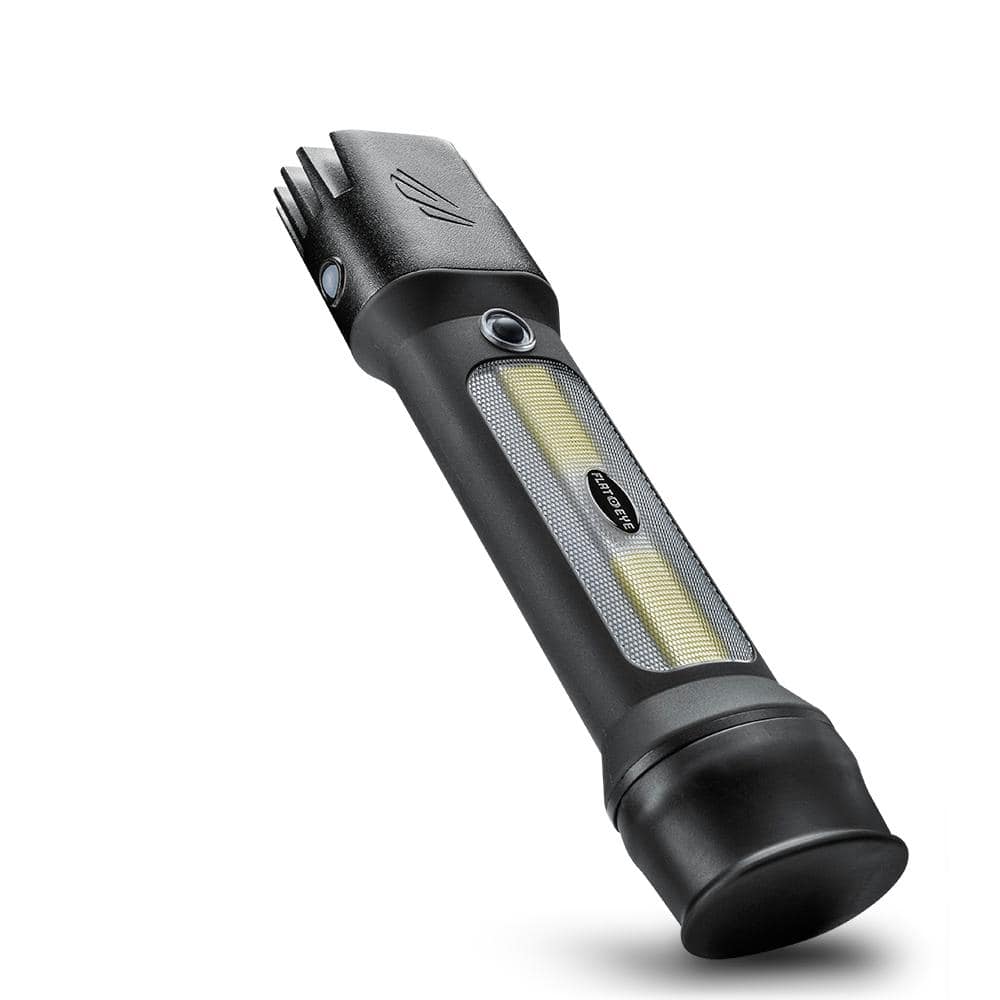
Panther Vision FLATEYE Rechargeable Lantern FRL-2100 High Performance 2175 Lumens Unround Flashlight CREE LED FRL-7981

Pocket Hose Silver Bullet 3/4 in. Dia x 100 ft. Lightweight Kink-Free Expandable Water Garden Hose 13490-6
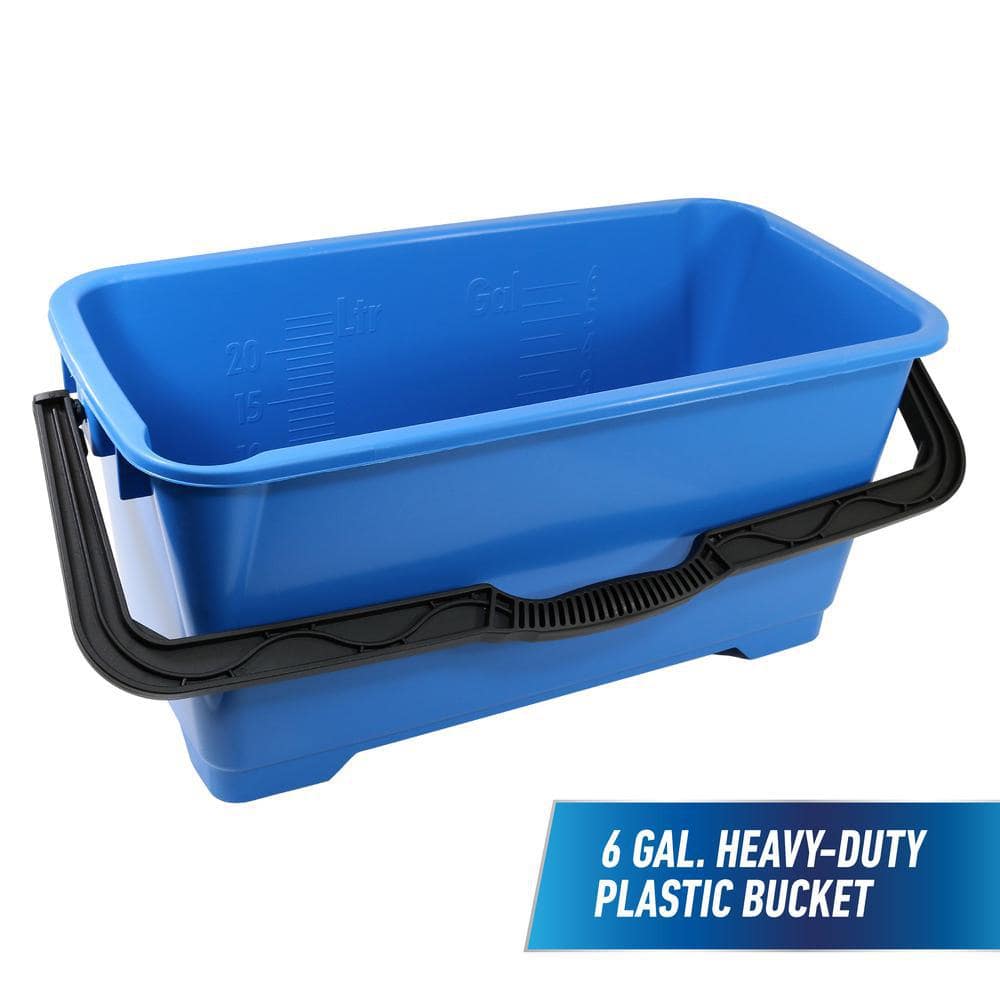
Unger 6 Gal. Heavy-Duty Plastic Bucket DB02

Safety gloves
MCR Safety BearKat Safety Glasses MCSCRWBK110
Safety glasses feature a well thought-out construction that combines the best in safety, comfort and affordability. Your vision is unobstructed by the 1-piece wraparound lens which, by its tight fit, provides for maximum safety. Flexible temples enhance your comfort during extended use. Nonslip rubber head grips are notched for a clip-on breakaway cord.
Work Gloves
Protects hands during tasks.
Panther Vision FLATEYE Rechargeable Lantern FRL-2100 High Performance 2175 Lumens Unround Flashlight CREE LED FRL-7981
Every revolution starts with a spark. Ranging from 310 Lumens to 2175 Lumens, Flat eye flashlights have the power to Ignite our UNROUND revolution without overpowering your needs or your wallet. This is not your Granddad's flashlight. These bad boys come with a patented UNROUND pistol grip, design, which makes them incredibly easy to hold, fit in your pocket and the perfect flashlight for all your everyday needs. They are purposely engineered to exacting standards and crafted from aircraft grade aluminum and tactical polymer for lasting durability. They are waterproof and feature shockproof Cree LED's for unsurpassed performance. With a choice of 8 models ranging from 310 Lumens to 2175 Lumens, in both battery operated or rechargeable versions with high, medium and low settings, you can get the right light and battery life for your every need. Join the UNROUND revolution and never see flashlights the same again.
Pocket Hose Silver Bullet 3/4 in. Dia x 100 ft. Lightweight Kink-Free Expandable Water Garden Hose 13490-6
Our Pocket Hose Silver Bullet is the easy way to water your lawn. The expandable hose made from an exclusive biaxial braid outer shell. This seamless micromesh fabric prevents tearing so the garden hose
Unger 6 Gal. Heavy-Duty Plastic Bucket DB02
The Unger 6-Gallon Heavy-Duty Professional Cleaning Bucket holds more than 6 Gal. of liquid. The bucket can accommodate a scrubber up to 14 in. L. This bucket features measurement marks and 2-pour spouts
Safety gloves
Shields hands from potential harm.
Steps
Safety & Initial Valve Check
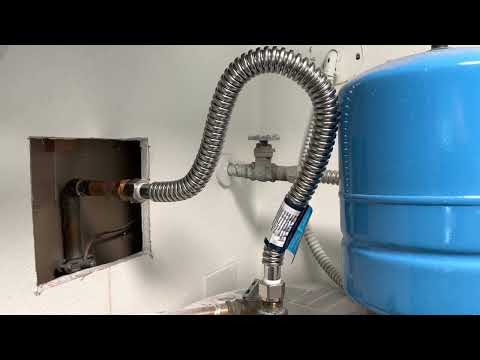
10 minsThe first and most critical step is to ensure your safety and rule out the simplest possible cause. Go to your home's main electrical panel (breaker box) and switch off the circuit breaker that supplies power to your water heater. It is often a double-pole breaker. For gas heaters, you would turn the gas control knob on the heater to the 'PILOT' or 'OFF' position. Once power is off, locate the cold water inlet pipe on top of your water heater. There will be a shut-off valve on this line. Check to ensure this valve is fully open. Sometimes these valves can be accidentally knocked or not fully opened after previous work, restricting flow to the entire hot water system. Turn the handle counter-clockwise as far as it will go.
Watch: Shut Off Power and Water
Connect Drain Hose
10 minsLocate the drain valve at the very bottom of the water heater tank. It will look like a small spigot. Carefully attach one end of a standard garden hose to this valve. Run the other end of the hose to a suitable drainage point, such as a floor drain, a utility sink, or outside to a lawn area that won't be damaged by hot water. Ensure the entire length of the hose is running downhill from the valve to allow gravity to drain the tank effectively. Place a bucket under the valve connection to catch any initial drips when you open it.
Watch: Drain the Water Heater
Flush Sediment from Tank
45 minsWith the hose connected, turn OFF the cold water supply valve (the one you checked in step 1). Next, go to a sink inside the house (the kitchen sink is often a good choice) and open the hot water tap fully. This is a crucial step that allows air to enter the plumbing, breaking the vacuum and allowing the tank to drain. Return to the water heater and open the drain valve using a screwdriver or pliers. Water, which will be hot and possibly discolored with sediment, will begin to flow out. To aggressively dislodge stubborn sediment, wait for the flow to slow, then close the drain valve, turn the cold water supply ON for 10-15 seconds to stir up minerals at the bottom, then turn it OFF and re-open the drain valve. Repeat this 'pressure flushing' process 3-4 times until the water draining from the hose runs clear.
Watch: Connect Hose and Drain the Tank
Refill and Purge
15 minsOnce the water runs clear and the flushing is complete, make sure the drain valve at the bottom of the tank is securely closed. Remove the garden hose. Go back to the sink where you left the hot water tap running and leave it ON. Return to the water heater and slowly open the cold water supply valve. You will hear the tank begin to fill with water, and air will begin to hiss and sputter from the open faucet. This is normal. Wait until a full, steady stream of water is flowing from the faucet with no more air sputtering. This indicates the tank is completely full. Once confirmed, you can turn off the sink tap. Now, carefully inspect the drain valve and all other connections on the water heater for any signs of leaks.
Watch: Refill Tank and Purge Air
Restore Power and Final Test
5 minsWith the tank full and leak-free, it's time to restore heat. Go back to the electrical panel and flip the water heater's circuit breaker back to the 'ON' position. For a gas heater, follow the manufacturer's instructions to relight the pilot light and turn the gas control knob back to its normal operating setting. The water heater will now begin to heat the new tank of water. This can take anywhere from 30 minutes to over an hour, depending on the tank size and heater type. Once sufficient time has passed, go to several faucets in the house (kitchen, bathroom sink, shower) and test the hot water pressure. It should be significantly improved and nearly equal to the cold water pressure.
Watch: Restore Water and PowerCommon Problems
The water coming out of the drain valve can be extremely hot. Use a heat-rated hose and handle with care.
Solution: To avoid this issue: Be mindful of this warning and take appropriate precautions.
Water won't drain from the hot water tank if you don't open a faucet.
Solution: Open a hot water faucet to allow air into the tank, which helps with draining.
Sediment buildup in the hot water tank reduces pressure.
Solution: Leave the cold water inlet valve open. The pressure from the incoming water will help to stir up and push out the sediment from the bottom of the tank.
The water draining from the tank may be very hot and could cause burns.
Solution: To avoid this issue: Be mindful of this warning and take appropriate precautions.
Hot water tank drains slowly or won't drain due to trapped air.
Solution: Opening a hot water tap somewhere in the house can help vent the tank and allow it to drain faster.
New fuse blows immediately, indicating a deeper system fault.
Solution: If the new fuse blows immediately, there is likely a more serious issue with the control board or another component, which may require professional service.
The most critical part of this step is to ensure the tank is completely full of water BEFORE turning the power back on. Failure to do so will destroy the new elements.
Solution: To avoid this issue: Be mindful of this warning and take appropriate precautions.
Frequently Asked Questions
Is this project truly suitable for a beginner, and how long should I expect it to take?
Yes, this project is designed for beginners, but requires careful adherence to safety protocols and instructions. You should allocate 2-3 hours to complete the process, including diagnostics, flushing, and refilling, especially if it's your first time. This ensures you can work methodically and safely.
What are the most critical safety precautions I need to take when flushing my hot water heater?
Always turn off the power supply (gas or electric) to your water heater before beginning any work to prevent serious injury or damage to heating elements. Wear safety glasses and work gloves to protect yourself from scalding hot water and potential debris. Ensure the water has cooled sufficiently before draining to avoid burns.
Do I really need specific 'water heater drain valves,' or can I just use any garden hose connection?
While a standard garden hose will connect to the existing drain valve, specialized water heater drain valves (like the Apollo AFWHDV3 or Rheem SP12159B) are designed for a more secure, leak-free connection and efficient drainage. Your existing valve might be old or partially clogged, making a new valve a worthwhile upgrade for a smoother flush. This helps prevent messy leaks during the process.
I flushed my water heater, but I still have low hot water pressure. What could be the next troubleshooting step?
If flushing the tank doesn't resolve the low pressure, check for mineral buildup in the aerators of your faucets and showerheads; these are common culprits. Also, inspect the hot water shut-off valve near the water heater itself, and individual fixture shut-off valves, as they can sometimes become partially closed or internally clogged over time. You might also want to check the dip tube if your water heater is older, as it can disintegrate and cause blockages.
What are some common mistakes people make when flushing their water heater for the first time?
A frequent mistake is not fully opening a hot water faucet or the pressure relief valve during draining, which creates a vacuum and prevents thorough flushing of sediment. Another critical error is forgetting to turn off the power to the heater; emptying the tank while elements are energized can cause them to burn out. Ensure you have a clear path for the draining water to avoid flooding.
How often should I flush my hot water heater, and are there ways to prevent future sediment buildup?
It is generally recommended to flush your tank-style water heater annually, especially if you live in an area with hard water, to prevent significant sediment accumulation. To minimize future buildup, consider installing a whole-house water filter or a water softener, which can significantly reduce mineral deposits entering your plumbing system. Regular flushing is the best preventative maintenance.
What's the potential cost for this project if I need to buy all the recommended tools and materials?
The total cost for this DIY project is relatively low. Expect to spend $30-$70 on essential safety gear (glasses, gloves) and a durable drain hose if you don't already own them. If your existing drain valve needs replacement, budget an additional $10-$20. Overall, this project is a highly cost-effective solution, typically costing under $100 for all necessary supplies.