How to Connect PVC Drain Pipe to a Cast Iron Hub
About This Project
This guide details the process of creating a durable, watertight connection between a modern PVC drain pipe and an existing old-style cast iron hub, typically found in older plumbing systems. The primary method described uses a rubber compression gasket, often referred to as a 'donut', to create a seal inside the hub.
Best for advanced DIYers and professionals with basic plumbing knowledge and familiarity with power tools. Requires HDX Indoor Safety Glasses Clear (1-Pack) VS-9300, clear and Husky Large Heavy Duty Glove 67812-06 and HDX Clear Indoor Safety Glasses (1-Pack) VS-9300, clear.
Tools & Materials

Safety Glasses

Husky Large Premium Grain Cowhide Leather Heavy Duty Impact Work Glove HK84016-LCC6
Hampton Forge Melody 45 Piece Hammered Flatware Set (Service for 8) 515B045HSN
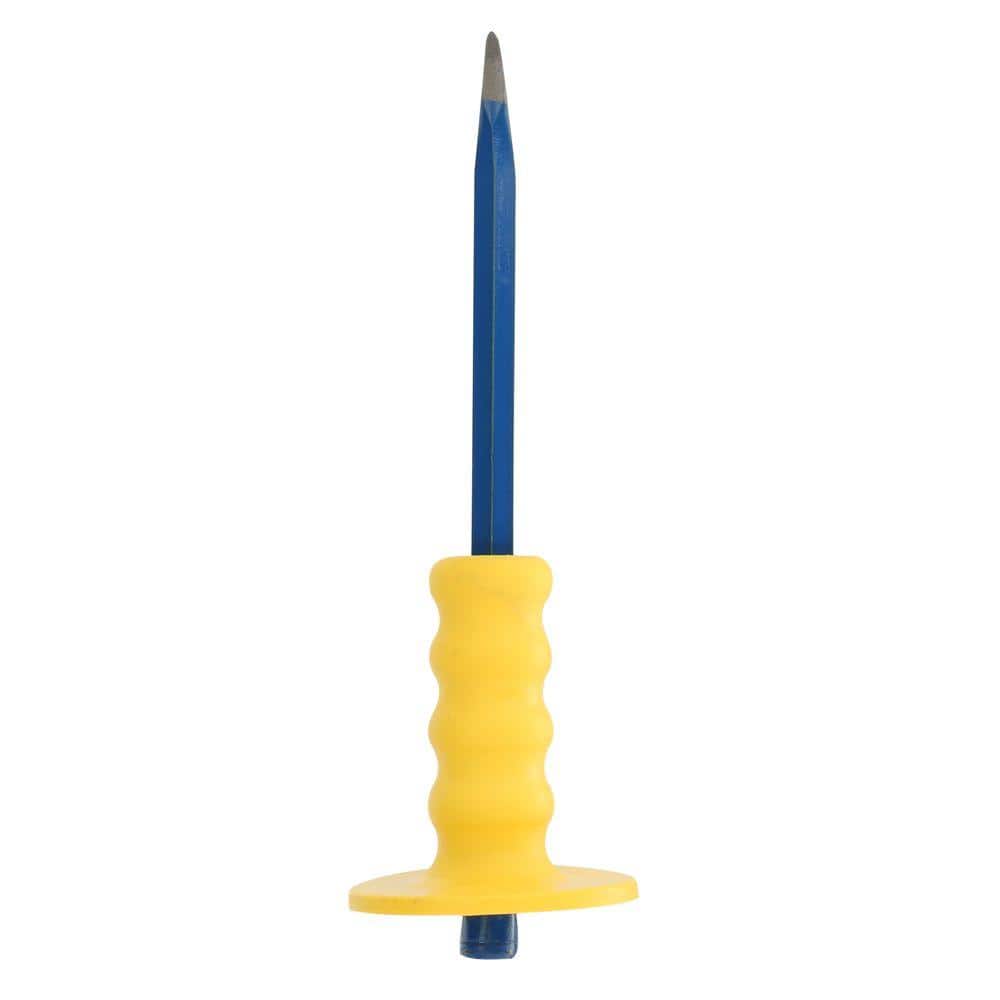
Dasco Pro 3/4 in. x 12 in. Cold Chisel G410
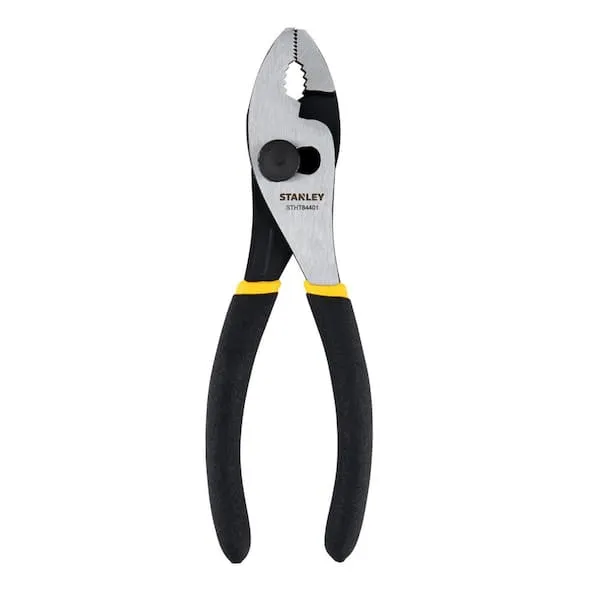
Pliers
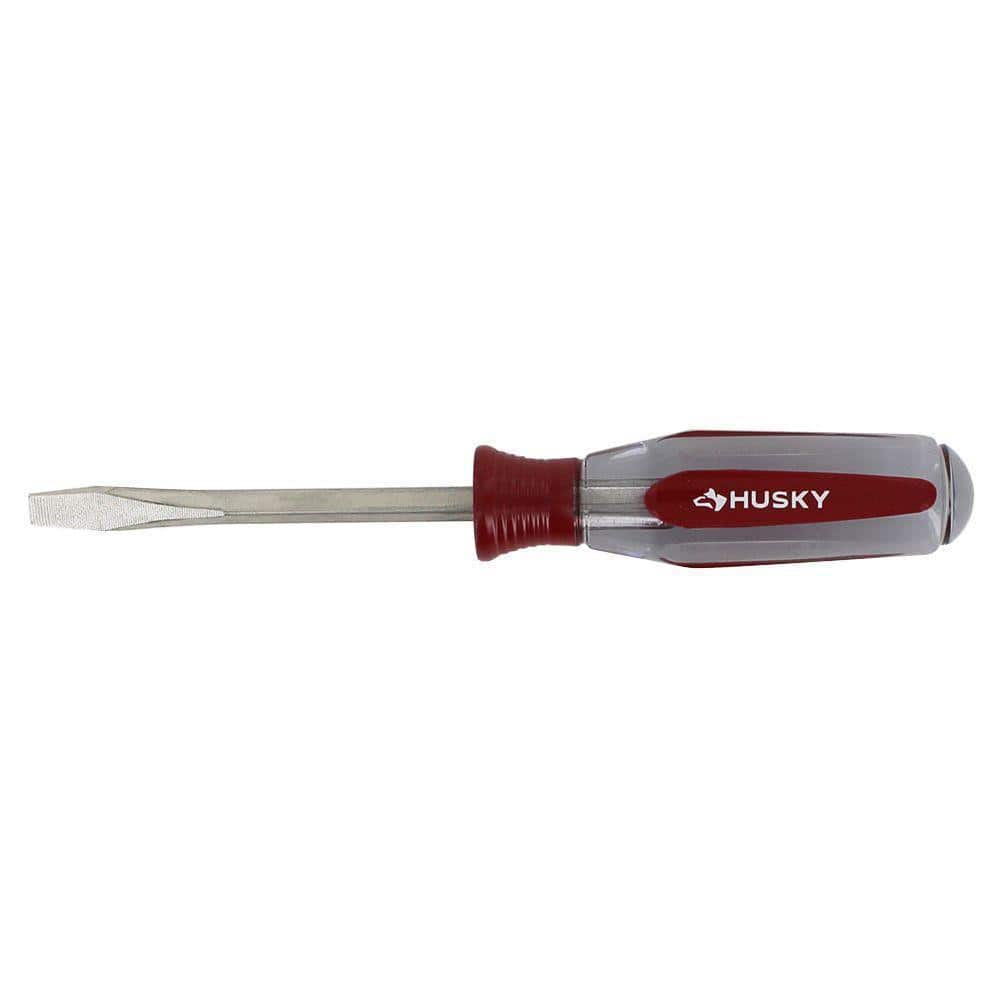
Husky 1/4 in. x 4 in. Square Shaft Standard Slotted Screwdriver H14X4FHSD
Safety Glasses
Keeps eyes safe from potential hazards.
Husky Large Premium Grain Cowhide Leather Heavy Duty Impact Work Glove HK84016-LCC6
Heavy duty TPR on provides impact protection on the back of hand. The cow grain leather provides rugged durability, with a hook and loop wrist closure to ensure a tight fit. This work glove is a great
Hampton Forge Melody 45 Piece Hammered Flatware Set (Service for 8) 515B045HSN
Melody's delightfully simple shape embraces a gently curved and flowing silhouette that gleams with an intricate feather hammered texture finish. The 45-piece set includes 8 dinner forks, 8 dinner knives,
Dasco Pro 3/4 in. x 12 in. Cold Chisel G410
The Dasco Pro 3/4 in. x 12 in. Cold Chisel is the perfect chisel for getting into those hard-to-reach places. Its precision ground cutting edge is heat-treated and ideal for cutting cast iron, wrought
Pliers
Grips and manipulates objects.
Husky 1/4 in. x 4 in. Square Shaft Standard Slotted Screwdriver H14X4FHSD
This standard slotted screwdriver by Husky features a 4 in. blade forged from superior allow steel and a serrated tip to increase grip and reduce slip. Its impact and chemical-resistant handle is ergonomic
Steps
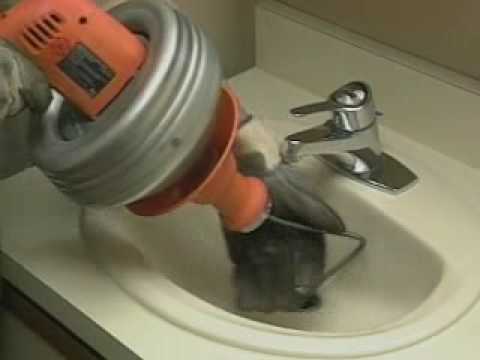
Safety and Area Preparation
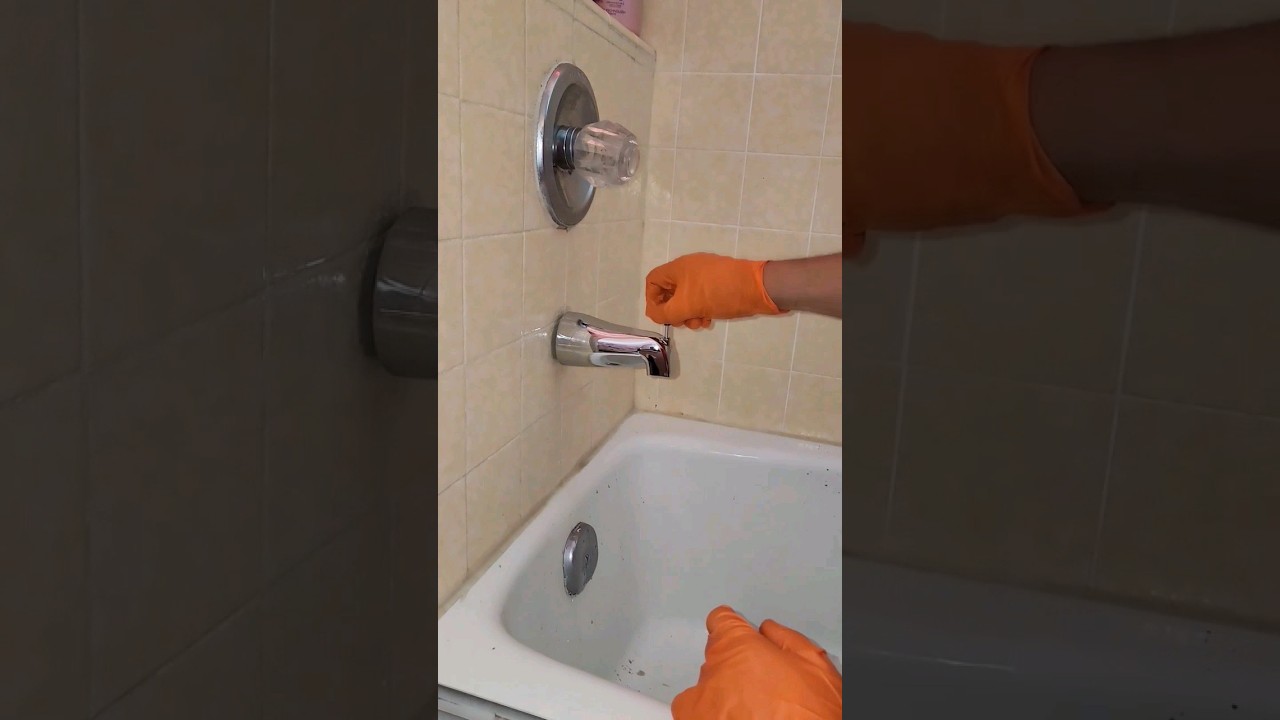
5 minsBefore beginning any work, put on your safety glasses and heavy-duty work gloves to protect against sharp metal fragments and dust. Clear the area around the cast iron hub of any obstacles to ensure you have adequate space to work safely and effectively.
Watch: Wear protection
Excavate the Old Seal from the Hub
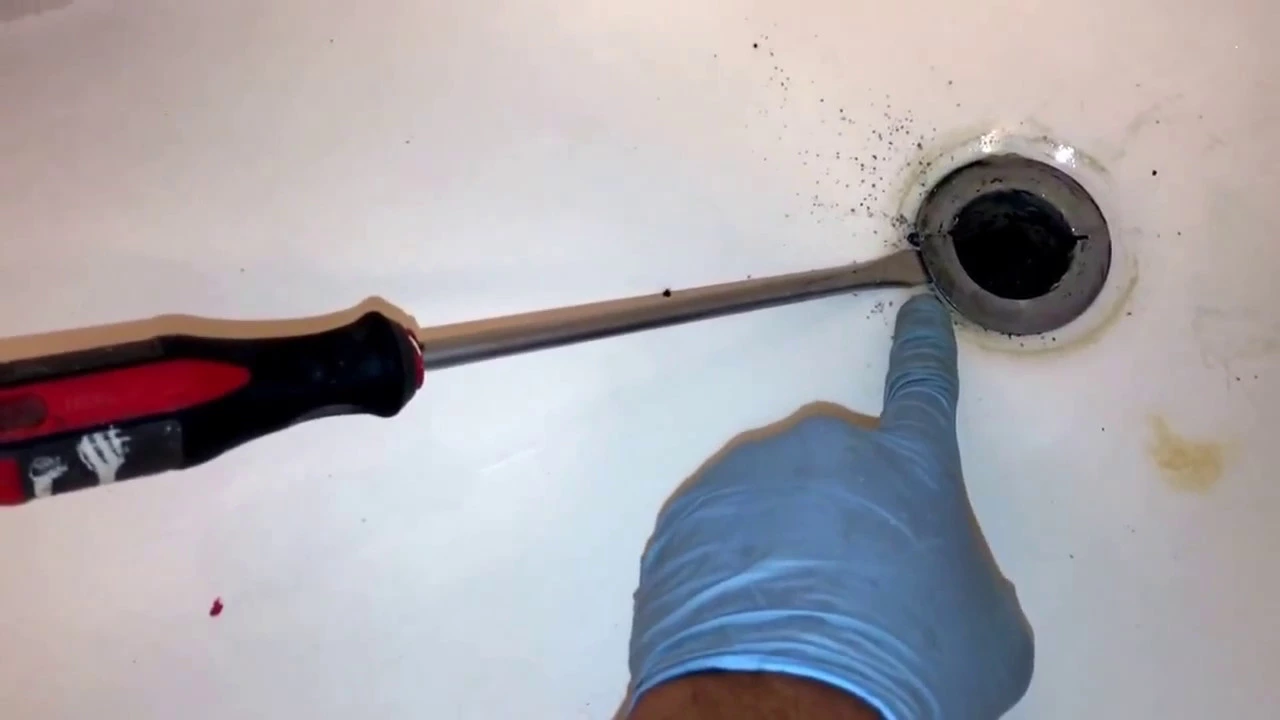
30 minsThis is the most critical and labor-intensive step. Use a hammer and a cold chisel to carefully break up the old lead seal inside the hub. Place the chisel against the lead and strike it firmly to fracture it. Work your way around the pipe circumference. An alternative is to drill a series of small, closely spaced holes into the lead using a drill and a metal bit, which will weaken it for easier removal. Once the lead ring is broken and removed, use a pair of pliers or a large screwdriver to pry and pull out the old, packed oakum (a tarred, fibrous rope) from underneath the lead.
Watch: Demolish Old Cast Iron Flange
Clean and Prepare Hub Interior
10 minsOnce the bulk of the lead and oakum is removed, a thorough cleaning is necessary. Use a wire brush to scour the inside surface of the cast iron hub. For best results, use a wire cup brush attached to a power drill. This will efficiently remove any remaining lead fragments, rust, and debris. The goal is to create a clean, smooth surface for the new gasket to seal against. After brushing, wipe the inside of the hub clean with a dry rag.
Watch: Clean the Joint Surfaces
Prepare the PVC Pipe End
5 minsMeasure and cut your PVC pipe to the desired length using a PVC pipe cutter for a clean cut, or a hacksaw. After cutting, it's very important to prepare the end of the pipe. Using a deburring tool or a simple utility knife, carefully shave the sharp outer edge of the pipe to create a slight bevel or chamfer. This bevel will allow the pipe to slide into the rubber gasket without catching, tearing, or folding it over.
Watch: Prepare the Pipe
Install the Compression Gasket
5 minsTake the rubber 'donut' gasket and apply a liberal amount of plumber's grease or a thick soap and water solution to its entire outer surface. Also, apply lubricant to the clean inner surface of the cast iron hub. To install, fold the gasket slightly (like a taco) to get it started in the hub opening. Then, using firm and even pressure with your thumbs, press the gasket into the hub until its outer flange sits flush against the face of the hub. Ensure the gasket is not twisted inside the hub.
Watch: Apply New Plumber's Putty and Prepare Gaskets
Insert and Seat the PVC Pipe
5 minsApply plumber's grease or soapy water to the beveled end of the PVC pipe and to the inside surface of the installed donut gasket. Align the pipe with the center of the gasket. Using a firm, steady pushing and slight twisting motion, force the pipe into the gasket. The bevel should help guide it in. Push the pipe until it stops against the internal shoulder deep inside the hub. If it is difficult to push by hand, you can place a block of scrap wood on the other end of the pipe and gently tap it with a mallet to drive it home. Ensure the pipe is inserted straight and fully.
Watch: Install the SharkBite Fitting
Test for Leaks
5 minsThe final step is to verify your work. Run a significant amount of water through the newly connected drain line. A bucket of water or flushing an upstream toilet multiple times works well. While the water is flowing, carefully inspect the connection point where the PVC enters the cast iron hub. Look and feel for any signs of moisture or dripping. If any leak is detected, the pipe may need to be removed and reseated.
Watch: Check for LeaksCommon Problems
Slow leaks go unnoticed, causing water damage.
Solution: It's a good practice to leave the dry paper towels in place overnight to catch any very slow drips that may not be immediately apparent.
Unseen moisture in PVC fittings can lead to leaks after connecting to cast iron.
Solution: Wipe all fittings with a dry paper towel before pressurizing. Any moisture will be much easier to spot on the dry surface.
Lead is soft, so apply gentle pressure while drilling to avoid damaging the underlying pipe or the cast iron hub.
Solution: To avoid this issue: Be mindful of this warning and take appropriate precautions.
Drilling one large hole in cast iron can crack it.
Solution: Drilling multiple, closely spaced holes is more effective than trying to drill one large hole.
Internal stop ridge prevents patch from sliding, failing to seal the leak.
Solution: Removing the internal stop ridge is crucial; otherwise, the patch will not be able to slide over the existing coupling to cover the leak.
Cracked cast iron hub leading to leaks if PVC patch is too short.
Solution: Ensure the PVC patch is long enough to completely cover the crack with some overlap on each side for a better seal.
Measure the length of your complete union assembly before cutting to ensure the gap is the correct size. An incorrect gap size will prevent a proper fit.
Solution: To avoid this issue: Be mindful of this warning and take appropriate precautions.
Frequently Asked Questions
Why is a cold chisel listed as a required tool, and how is it used in this project?
A cold chisel, specifically the Dasco Pro 3/4 in. x 12 in. Cold Chisel G410, is essential for carefully excavating the old lead and oakum seal from inside the cast iron hub. It allows you to break apart and remove the old, brittle material without damaging the cast iron itself. Use it with a hammer, chipping away small pieces at a time to ensure a clean interior for the new seal.
What are the most critical safety precautions I should take when connecting PVC to old cast iron pipes?
Always wear safety glasses (like the listed Safety Glasses) to protect your eyes from flying debris, especially when chiseling old material or dealing with rust. Use heavy-duty work gloves (e.g., Husky Large Premium Grain Cowhide Leather Heavy Duty Impact Work Glove) to protect your hands from sharp edges, rust, and potential contaminants. Ensure good ventilation, as old drain pipes can contain unpleasant odors and bacteria.
How long does this project typically take for a beginner, and what's the approximate cost?
For a beginner, this project generally takes 2-4 hours, depending on the condition of the old seal and your comfort level with the tools. The primary cost will be the PVC pipe and fittings, the rubber compression gasket (donut), and a few specialized tools like the cold chisel, totaling roughly $30-$70 if you don't own the tools already. These costs can vary based on local prices and specific product brands.
What's the most common mistake DIYers make when installing the rubber compression gasket, and how can I avoid leaks?
The most common mistake is not thoroughly cleaning the inside of the cast iron hub, which prevents a proper, watertight seal. Ensure the hub is free of all old debris, rust, and scale using a wire brush. Additionally, apply a generous amount of plumber's grease (Oatey 1 oz. Plumber's Grease 30620) to both the gasket and the PVC pipe end to help it slide in smoothly and create a tight seal.
What if the rubber compression gasket (donut) doesn't seem to fit snugly into the cast iron hub, or if it feels too loose?
First, ensure you have the correct size gasket for your specific cast iron hub diameter and PVC pipe – measurements are crucial. If it's slightly loose after insertion, rubber spacers (listed as 'Rubber Spacers') can be strategically placed to help snug up the fit and prevent movement. If it's significantly too loose or too tight, you likely have the wrong size gasket and should acquire one that precisely matches your pipe and hub dimensions.
Are there any alternative methods to connect PVC to cast iron besides using a rubber compression gasket?
Yes, other common methods include using a shielded or unshielded flexible coupling (often referred to as a 'Fernco' or 'no-hub' coupling), which uses stainless steel bands and hose clamps to create a seal. Another, more traditional method involves pouring a new lead and oakum joint, but this requires specialized tools, significant expertise, and is generally not recommended for beginner DIYers due to safety and skill requirements.