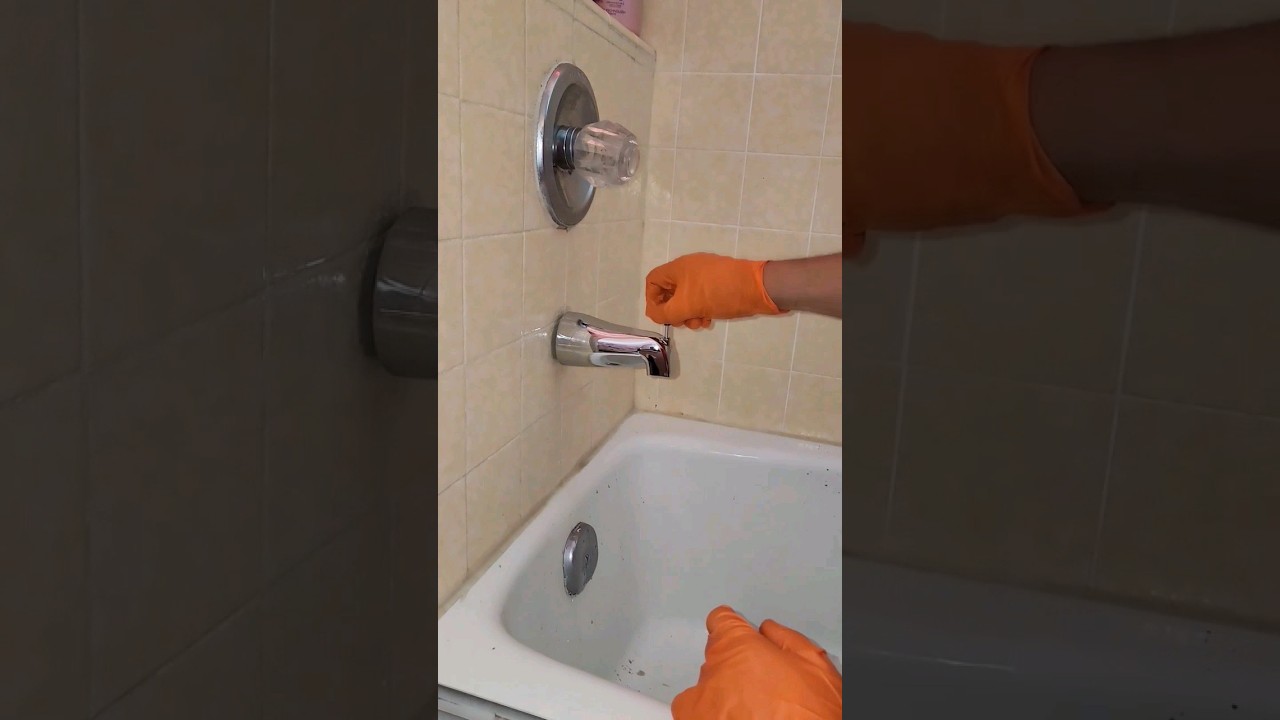
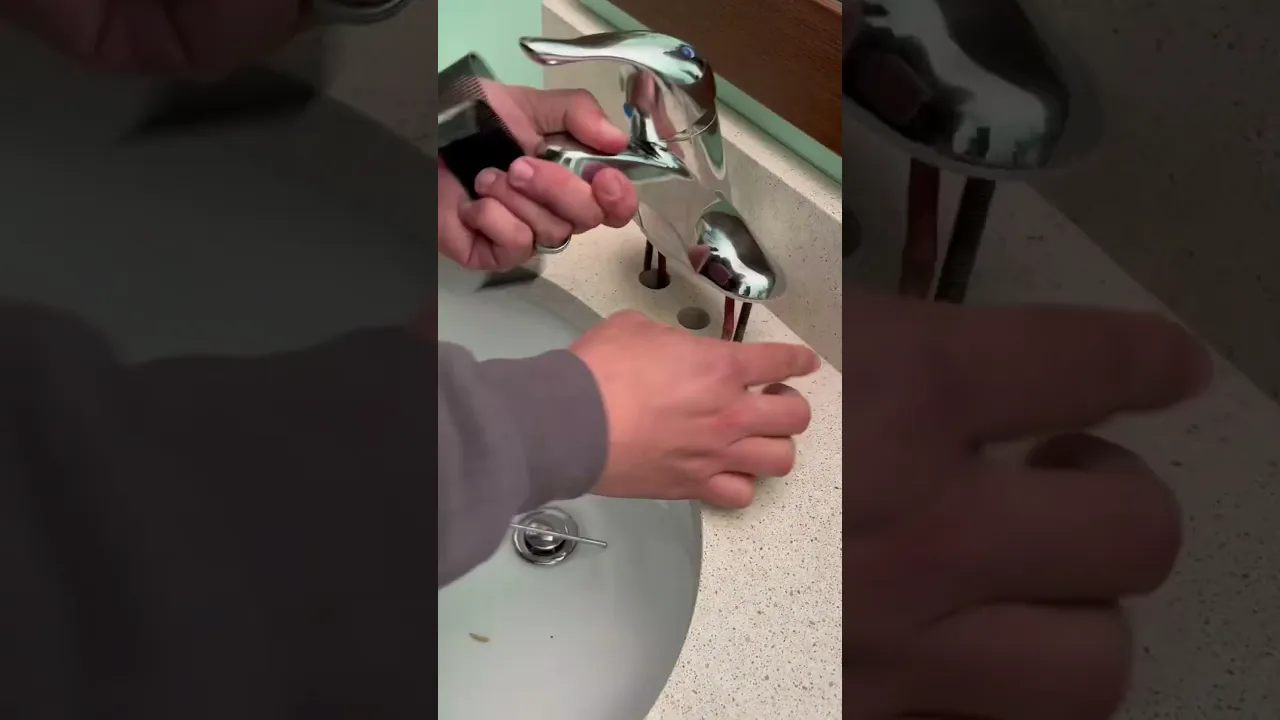
How to Connect a Dishwasher Drain to a Garbage Disposal
About This Project
This guide provides step-by-step instructions for safely connecting a dishwasher's drain hose to a new or existing garbage disposal. The process involves preparing the disposal by removing the knockout plug, creating a high loop with the drain hose to prevent backflow, and securely fastening the hose to the disposal's inlet.
Best for experienced DIYers and homeowners with some experience with basic plumbing knowledge.
Tools & Materials
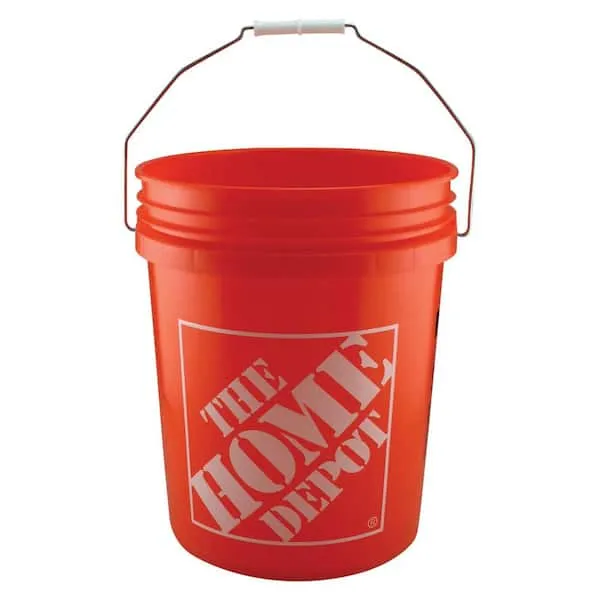
Bucket
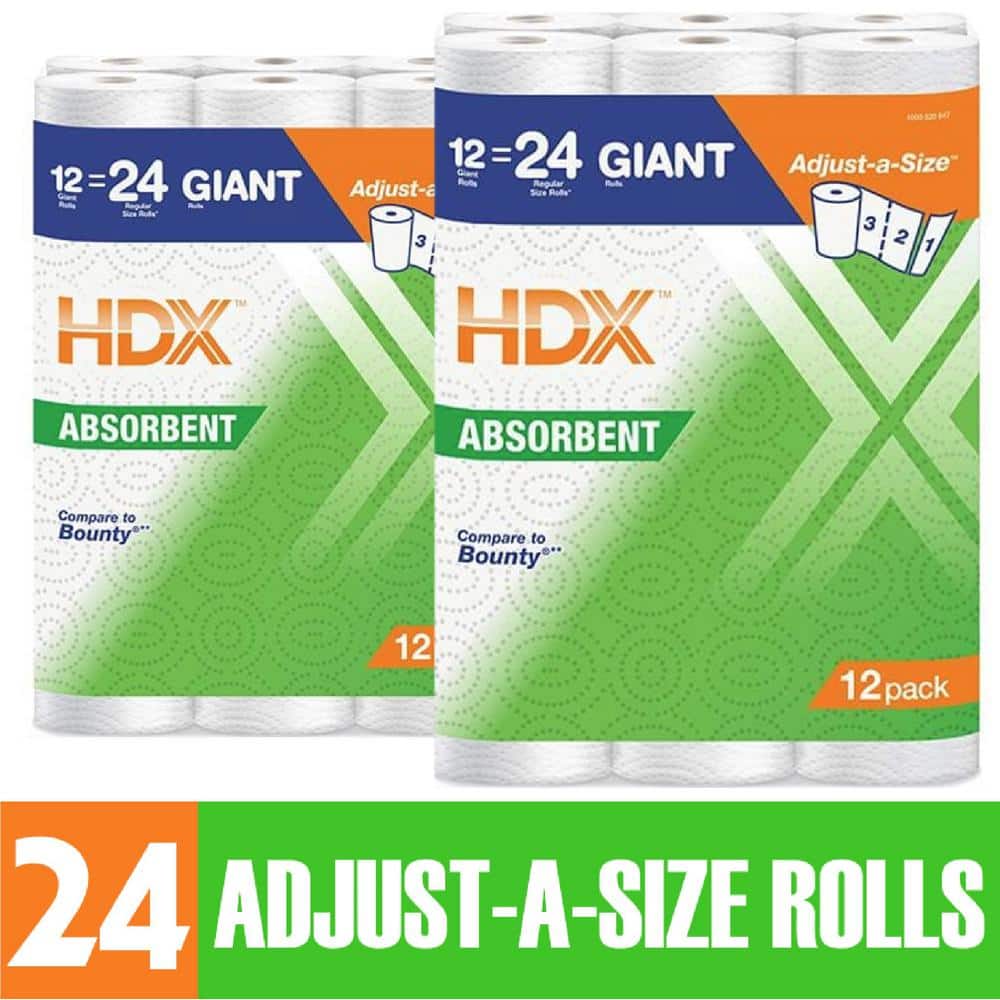
HDX Select-A-Size Paper Towels (24-Roll) 22015
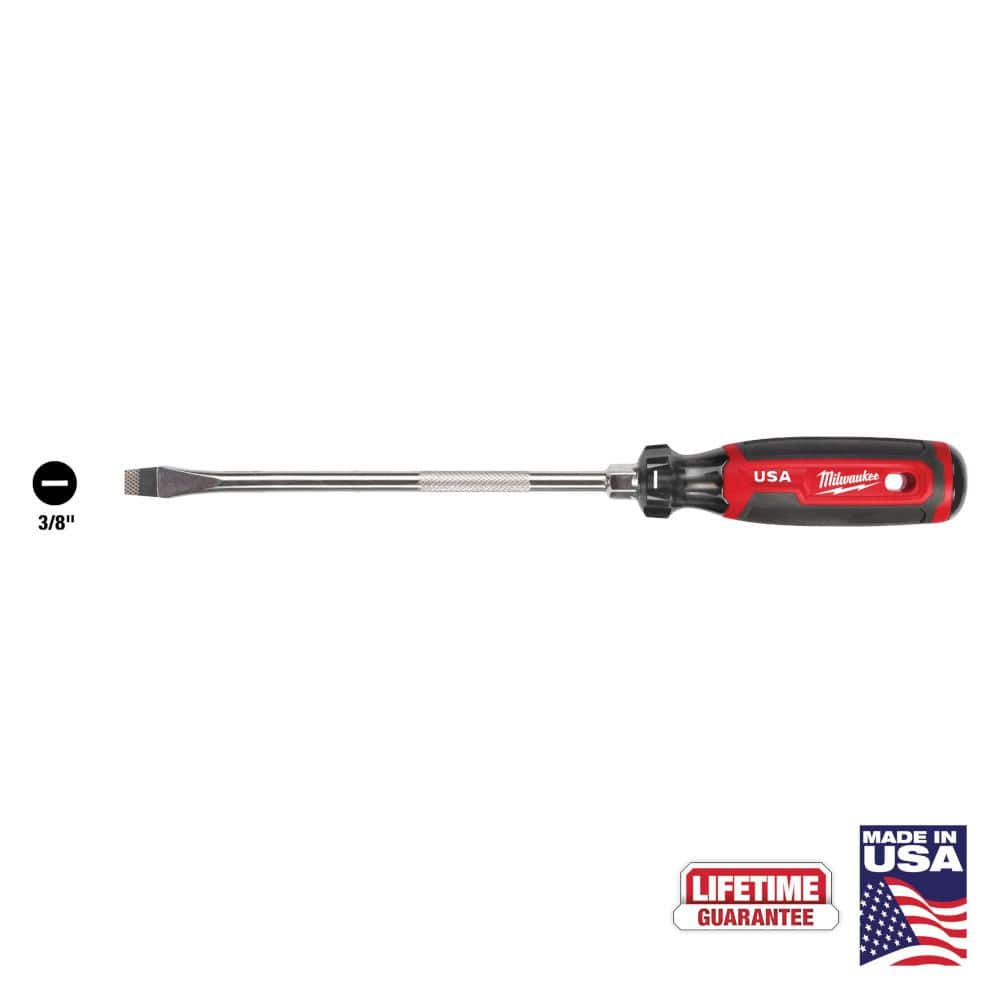
Milwaukee 8 in. x 3/8 in. Slotted Flat Head Screwdriver with Cushion Grip MT209
Hampton Forge Melody 45 Piece Hammered Flatware Set (Service for 8) 515B045HSN
Towel
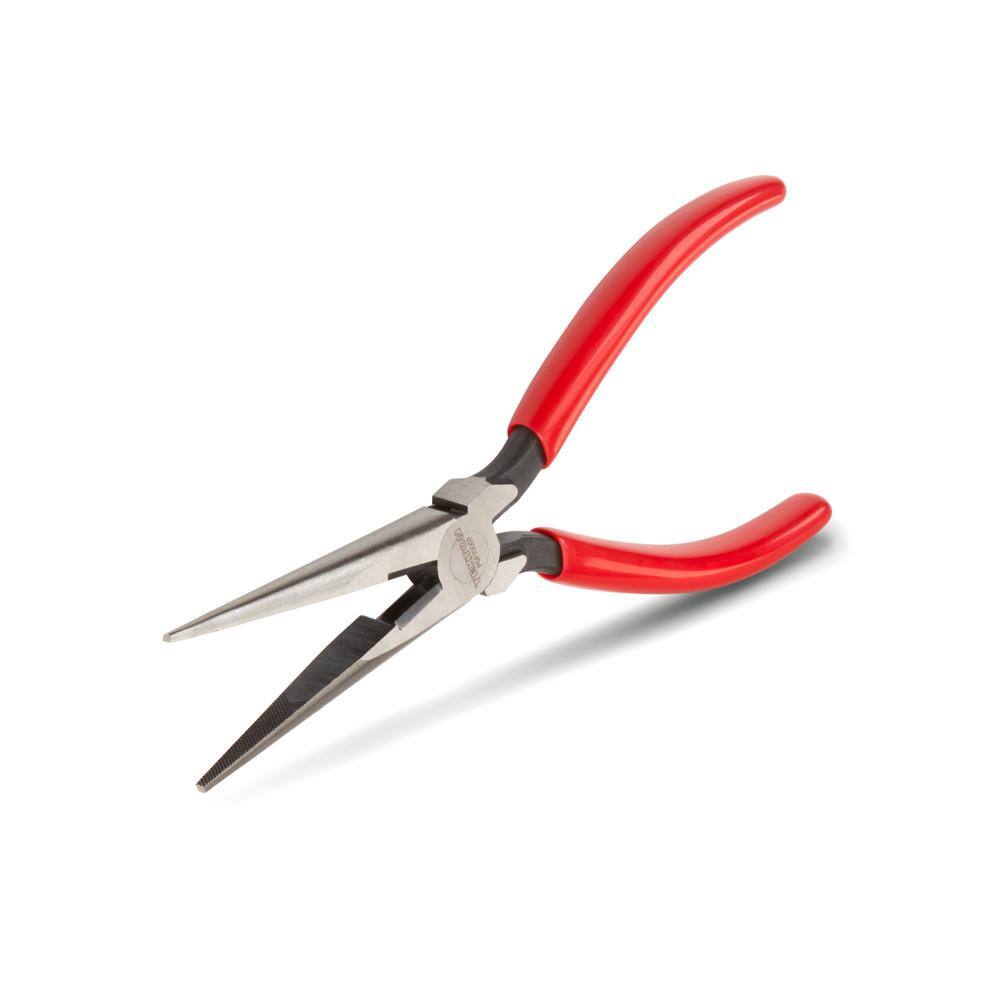
TEKTON 7 in. Long Nose Pliers PGF10007
Bucket
Ideal for carrying or storing liquids.
HDX Select-A-Size Paper Towels (24-Roll) 22015
Providing superior cleaning, these HDX 2-Ply Paper Towels are ultra-absorbent. Perfect for mopping up spills and still hold up for tough scrubbing. Easily tear only what you need with the Adjust-A-Size
Milwaukee 8 in. x 3/8 in. Slotted Flat Head Screwdriver with Cushion Grip MT209
The Milwaukee® 3/8" Slotted 8" Cushion Grip Screwdrivers (USA) are manufactured to give the professional the best-fitting screwdriver with max grip. These screwdriver tips are custom machined to deliver
Hampton Forge Melody 45 Piece Hammered Flatware Set (Service for 8) 515B045HSN
Melody's delightfully simple shape embraces a gently curved and flowing silhouette that gleams with an intricate feather hammered texture finish. The 45-piece set includes 8 dinner forks, 8 dinner knives,
Towel
Absorbs moisture and dries surfaces.
TEKTON 7 in. Long Nose Pliers PGF10007
Long, Slender Nose: Relative to their overall length, these pliers have an extra-long and slender nose that reaches deep into tight spaces and offers a deft grasp on small parts. Crosscut Teeth: Oriented
Steps

Turn Off Power and Prepare Workspace
5 minsBegin by ensuring your safety and preparing the work area. Go to your home's electrical panel and turn off the circuit breakers that supply power to both the garbage disposal and the dishwasher. To be certain the power is off, try flipping the garbage disposal switch at the wall. Clear out all items from under the sink cabinet to create ample space to work. Place a bucket and some old rags or paper towels under the sink to catch any residual water.
Watch: Disconnect Power
Remove Garbage Disposal Knockout Plug
10 minsIf your garbage disposal is new, it will have a sealed dishwasher inlet port. You must remove the internal plug before connecting the hose. Locate the angled inlet nipple on the upper side of the disposal body. Insert the tip of a flathead screwdriver into the inlet and tap the end of the screwdriver handle firmly with a hammer. You should feel and hear the plug pop loose and fall into the main grinding chamber of the disposal. If the disposal is already installed, this can be done from the side; if it's uninstalled, lay it on its side on a towel for better access and leverage.
Watch: Prepare Dishwasher Connection (Optional)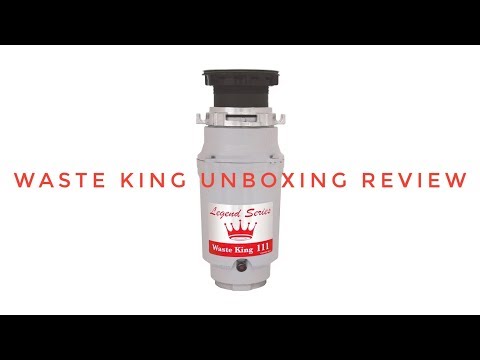
Retrieve Knockout Plug from Disposal
5 minsWith the power confirmed off, reach through the sink drain opening into the garbage disposal's grinding chamber. Feel for the small, circular piece of plastic that you just knocked out. Retrieve it with your fingers. If it is difficult to grasp, you can use a pair of needle-nose pliers to grab it and pull it out. It is critical to remove this piece to prevent it from clogging the drain or damaging the disposal blades.
Watch: Retrieving Installation Parts
Create a High Loop with the Drain Hose
5 minsTo prevent dirty water from the sink from flowing back into your dishwasher, you must create a 'high loop' with the drain hose. Take the corrugated drain hose from the dishwasher and pull it up as high as it will go under the sink, ideally touching the underside of the countertop. Secure the hose at this high point to the back or side wall of the cabinet using a pipe strap or a heavy-duty zip tie. This ensures that the water level in the sink would have to be extremely high to backflow into the hose.
Watch: Inspect Drain Hose Configuration
Connect Hose to Disposal Inlet
5 minsFirst, slide the hose clamp over the end of the dishwasher drain hose. Next, push the end of the hose firmly onto the garbage disposal's plastic inlet nipple that you cleared in the previous step. The hose should slide on at least 1/2 to 3/4 of an inch. Once the hose is in place, position the hose clamp about 1/4 inch from the end of the hose, over the section covering the nipple. Use a flathead screwdriver or a nut driver to tighten the screw on the hose clamp until it is snug and secure.
Watch: Connect Hoses to New Air Gap
Restore Power and Test for Leaks
10 minsThe final step is to verify your work. Place a dry paper towel or rag on the bottom of the cabinet directly under the new connection. Go back to the electrical panel and restore power to the dishwasher and garbage disposal. Start a 'rinse only' or 'drain' cycle on your dishwasher. As the dishwasher pumps out water, use a flashlight to carefully inspect the hose connection at the disposal for any signs of dripping or leaking. Once the cycle is complete and you've confirmed there are no leaks, run cold water into the sink and turn on the garbage disposal for a few seconds to ensure it operates smoothly.
Watch: Test the RepairCommon Problems
Water spills from the dishwasher drain hose or disposal during installation.
Solution: Have a bucket ready to catch any water that might spill from the hose or disposal.
Dishwater can backflow into the dishwasher if the hose isn't looped high.
Solution: Ensure the dishwasher hose has a high loop (higher than the connection point) before it connects to the drain to prevent backflow. The upward-facing nipple helps achieve this.
The end of the dishwasher hose may need to be cut to size. Check the hose and the nipple size to ensure a snug fit before clamping.
Solution: To avoid this issue: Be mindful of this warning and take appropriate precautions.
Improper air gap hose connection leads to drainage issues.
Solution: The smaller hose from the dishwasher connects to the smaller, straight air gap inlet. The larger hose to the disposal connects to the larger, angled air gap outlet.
Incorrect hose connection can lead to leaks and drainage issues.
Solution: The hose is often marked 'drain end' and 'sink end'. The curved end usually attaches to the dishwasher.
Spring clamps can slip, causing leaks during dishwasher drain connection.
Solution: A screw-type clamp can be easier to manage than the spring-type clamp shown.
Hose is difficult to push on without assistance.
Solution: Having a helper to stabilize the dishwasher can make pushing the hose on much easier.
Frequently Asked Questions
How difficult is it to connect a dishwasher drain to a garbage disposal for a beginner, and how long does it usually take?
This project is rated as 'beginner' difficulty. For someone with basic DIY experience, it typically takes 1-2 hours to complete. The main challenge is ensuring a watertight seal and properly installing the high loop to prevent backflow.
What are the most important safety steps to take before starting this dishwasher drain connection project?
Always turn off the power to the garbage disposal and dishwasher at the circuit breaker before you begin any work to prevent electrical shock. Wear appropriate eye protection, and ensure your workspace is dry to avoid slips. Double-check that power is off before touching any electrical components.
What is the 'knockout plug' in the garbage disposal, and what happens if I forget to remove it?
The knockout plug is a small, plastic or metal plug located inside the garbage disposal's dishwasher inlet. If you forget to remove it, the dishwasher's drain water will have nowhere to go, causing it to back up into the dishwasher or sink. Make sure to retrieve the plug from the disposal's drain to prevent it from jamming the unit.
Do I need the exact specialized tools listed, like the 'Panther Vision FLATEYE Flashlight,' or can I use more common alternatives?
While the specific tools listed are recommended for efficiency and quality, you can often substitute with similar basic tools you might already own. For example, any bright flashlight will work, and a standard flathead screwdriver and adjustable wrench can often replace specific nut drivers, as long as they fit securely.
Why is a 'high loop' necessary for the dishwasher drain hose, and are there any alternatives?
The high loop is crucial to prevent dirty sink water or garbage disposal waste from backflowing into your dishwasher, which can contaminate dishes and create odors. It also helps with proper drainage by creating an air gap. There are no safe or code-compliant alternatives to the high loop; it's essential for hygiene and functionality.
What should I do if my dishwasher connection to the disposal is leaking after I've finished?
First, ensure the hose clamp is tightened securely around the dishwasher drain hose where it connects to the disposal inlet. Verify the hose is fully seated on the barb fitting. If the leak persists, inspect the connection for any cracks in the disposal's inlet or damage to the hose itself, and consider replacing worn components.
The instructions mention retrieving the knockout plug from the disposal. What's the best way to do this?
Once you've knocked the plug into the disposal's chamber, *always* ensure the power is off at the breaker. Then, use pliers or tongs to carefully reach into the disposal's drain opening from the top of the sink and pull the plug out. Do not run the disposal with the plug inside, as it can damage the motor.