
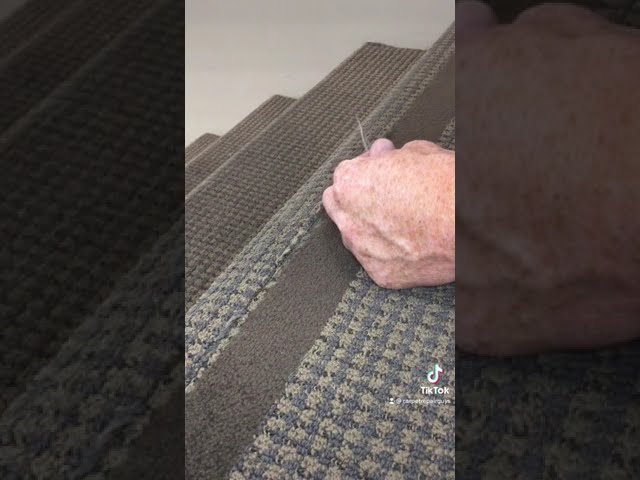
How to Re-Stick a Carpet Stair Tread That Is Lifting
About This Project
This project outlines the steps for re-sticking a lifting carpet stair tread to secure it and prevent tripping hazards.
Tools & Materials
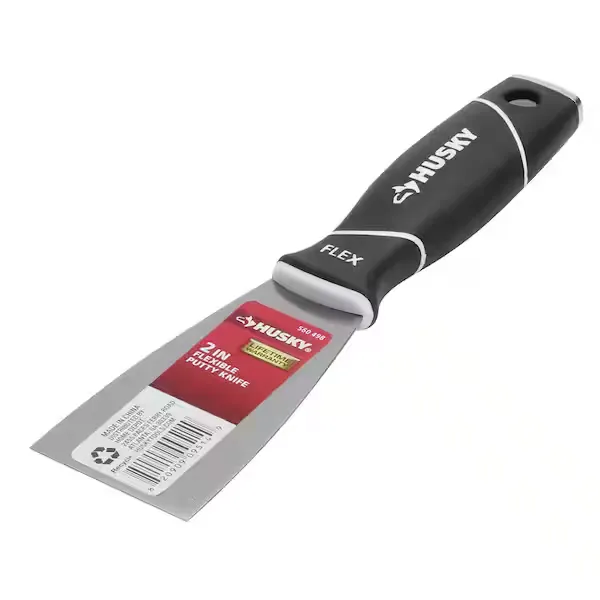
Putty knife
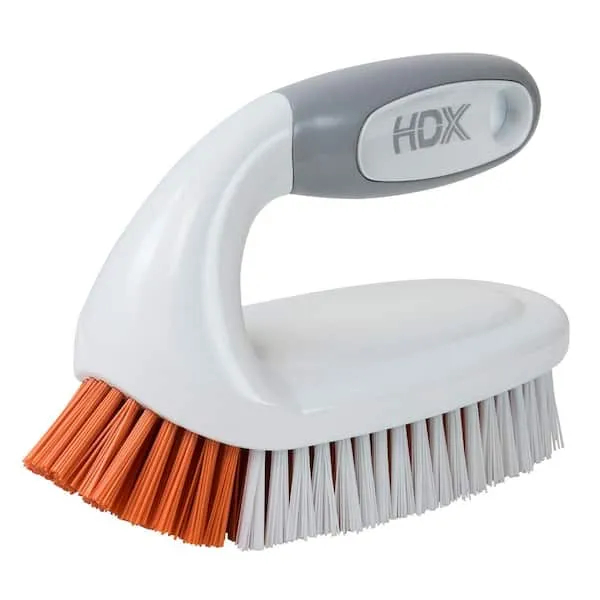
Scrub Brush

RIDGID 1-7/8 in. Dusting Brush Accessory Shop Vac Attachment for RIDGID Wet Dry Vacuums VT1701
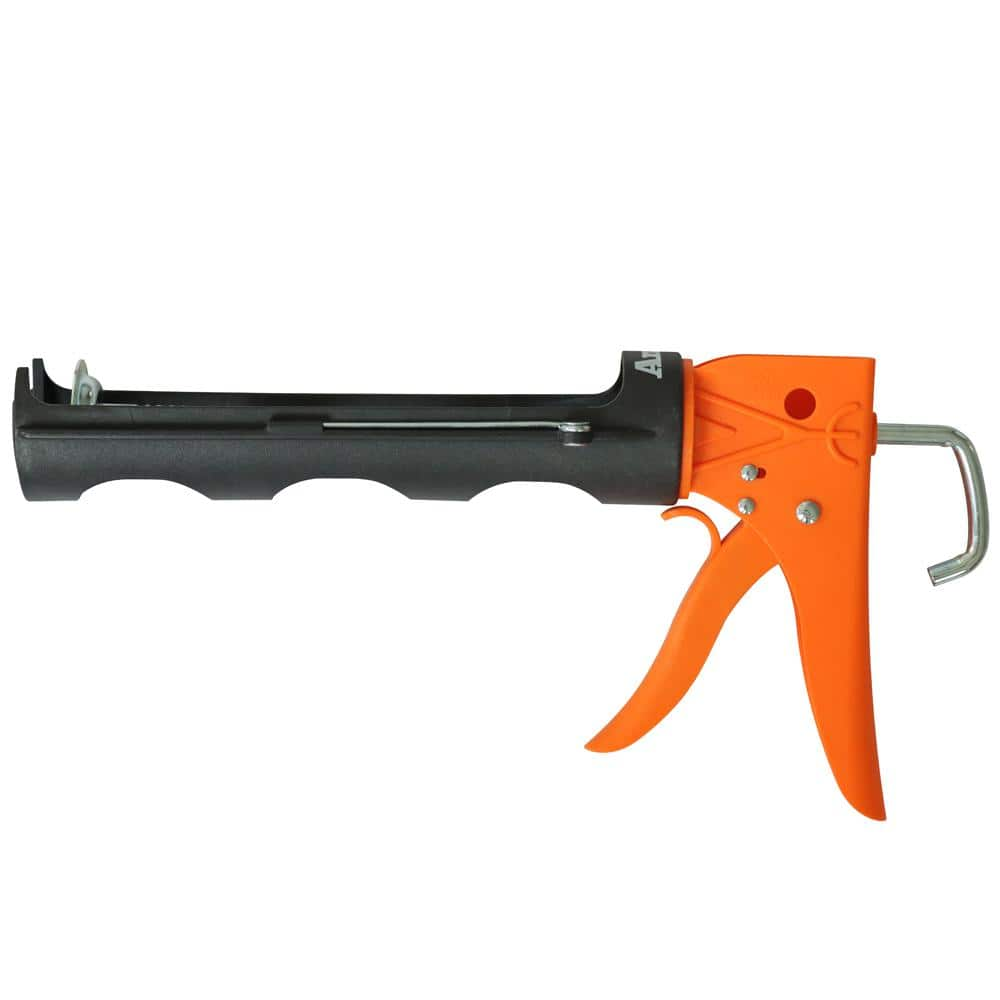
Anvil 10 oz. Drip Free Ratchet Caulk Gun HD-117FG-B1
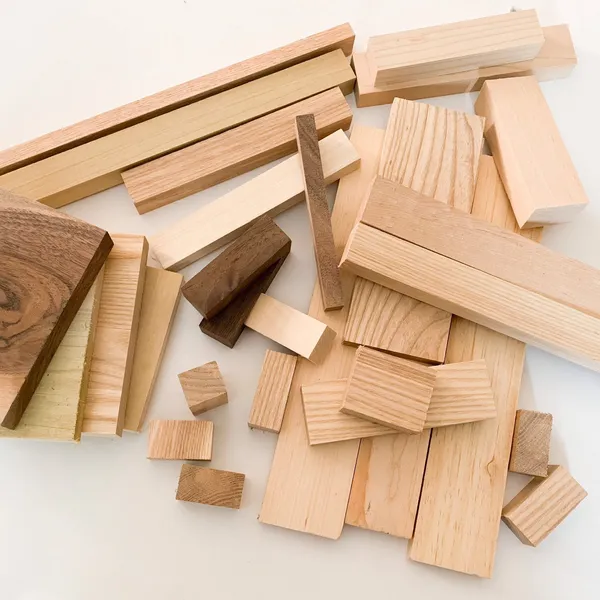
Scrap Wood Blocks

QEP 16 oz. Pro Rubber Floor Mallet with 11.5 in. Plastic Handle 61625
Putty knife
Spreads putty with its flat blade.
Scrub Brush
Tackles tough stains with stiff bristles.
RIDGID 1-7/8 in. Dusting Brush Accessory Shop Vac Attachment for RIDGID Wet Dry Vacuums VT1701
Get rid of stubborn dirt with the 1-7/8 in. Dusting Brush Accessory for RIDGID wet dry shop vacuums. Designed with functionality and long-lasting durability in mind, it's ideal for use on delicate surfaces
Anvil 10 oz. Drip Free Ratchet Caulk Gun HD-117FG-B1
Anvil 10 oz. dripless ratchet caulk gun is a lightweight caulk gun with rotating barrel for easy applications around edges and corners. It offers an 8:1 thrust ratio making it ideal for 10 oz. tubes of
Scrap Wood Blocks
Perfect for small DIY tasks.
QEP 16 oz. Pro Rubber Floor Mallet with 11.5 in. Plastic Handle 61625
The QEP Pro Rubber Floor Mallet is ideal for setting flooring, safely and securely. The white rubber head will not mar or damage surfaces and measures 70 to 75 on the Shore A hardness scale, for a firm
Steps

Inspect the Tread
10 minutesCarefully lift the edge of the carpet tread to inspect the underside. Look for signs of wear, tear, or damage to the carpet fibers, the padding beneath, and the wooden tread itself. Determine if the lifting is due to loose carpet, failed adhesive, or a structural issue with the stair.
Watch: Identify and Prepare Loose Seam
Clean the Underside of the Tread and Stair
15 minutesUsing a stiff brush or a vacuum cleaner with a brush attachment, meticulously remove all loose dirt, dust, carpet fibers, and any remnants of old adhesive from both the back of the carpet tread and the surface of the stair tread. A clean surface is crucial for the new adhesive to adhere properly.
Watch: Clean the Stairs
Apply New Adhesive
20 minutesChoose a strong, flexible adhesive specifically designed for carpets and stairs, such as a heavy-duty carpet adhesive or construction adhesive. Apply a generous, even bead of adhesive to the stair tread surface where the carpet has lifted, or directly to the back of the carpet if it's a spray adhesive. Ensure coverage extends to all areas that need re-adhering.
Watch: Apply Spray Adhesive
Re-secure the Carpet Tread
10 minutesCarefully align the carpet tread and press it down firmly onto the adhesive-coated stair tread. Use your hands, knees, or a clean block of wood to apply even pressure across the entire surface of the tread. Work from the center outwards to push out any air pockets and ensure full contact with the adhesive.
Watch: Press Down Firmly
Weight Down the Tread
5 minutesPlace heavy objects, such as books, paint cans, or weights, directly onto the repaired carpet tread. Ensure the weight is distributed evenly and covers the entire surface. Leave the weight in place for the period specified by the adhesive manufacturer, which is typically 24-48 hours, to ensure a strong, lasting bond.
Watch: Weight Down Patch for Curing
Trim and Tuck Loose Carpet Edges
15 minutesOnce the adhesive has fully cured, inspect the edges of the carpet tread. If there are any small, frayed carpet fibers or edges that are not perfectly tucked, use sharp scissors or a carpet knife to carefully trim them. Then, use a putty knife or a carpet tucking tool to push any remaining loose edges back under the nosing or against the riser for a clean, finished look.
Watch: Trim Loose Carpet Fibers