How to Replace a Leaky Angle Stop (Shutoff Valve) Under Your Sink
About This Project
This guide provides comprehensive, step-by-step instructions for replacing a leaky angle stop, also known as a shutoff valve, typically found under a kitchen or bathroom sink. The process involves shutting off the main water supply, removing the old valve from the water pipe, cleaning the pipe, and installing a new, more reliable quarter-turn ball valve.
Best for advanced DIYers and professionals with basic plumbing knowledge and familiarity with power tools. Requires Safety gloves.
Tools & Materials
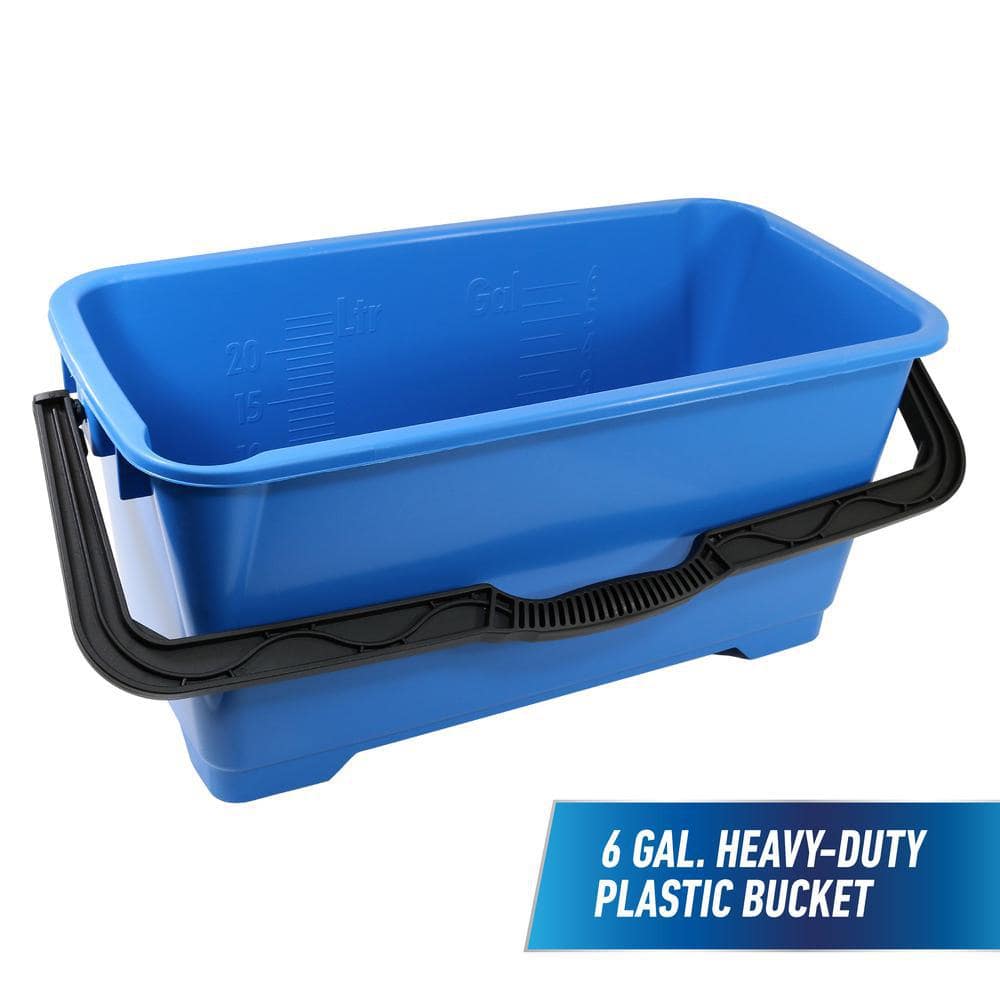
Unger 6 Gal. Heavy-Duty Plastic Bucket DB02
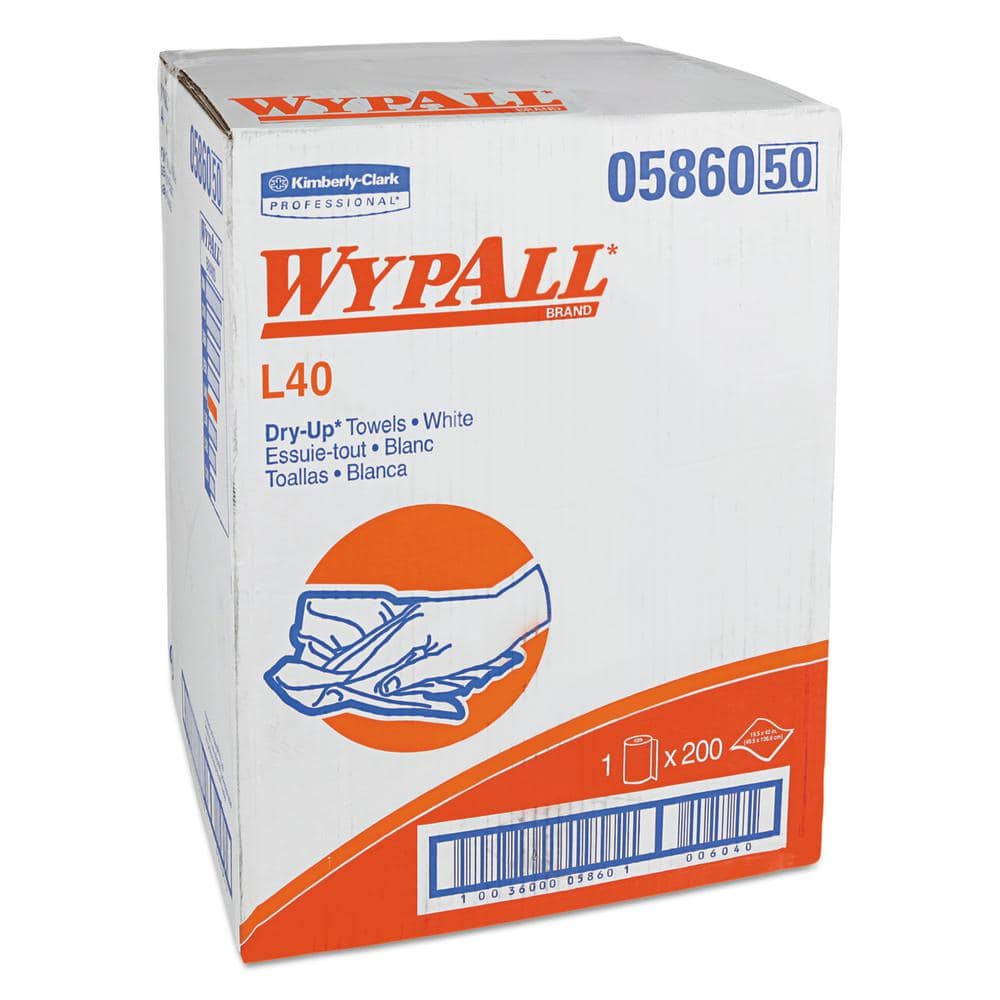
WYPALL L40 Towels, Dry Up Towels, 19-1/2 in. x 42 in., White, 200 Towels/Roll KCC05860
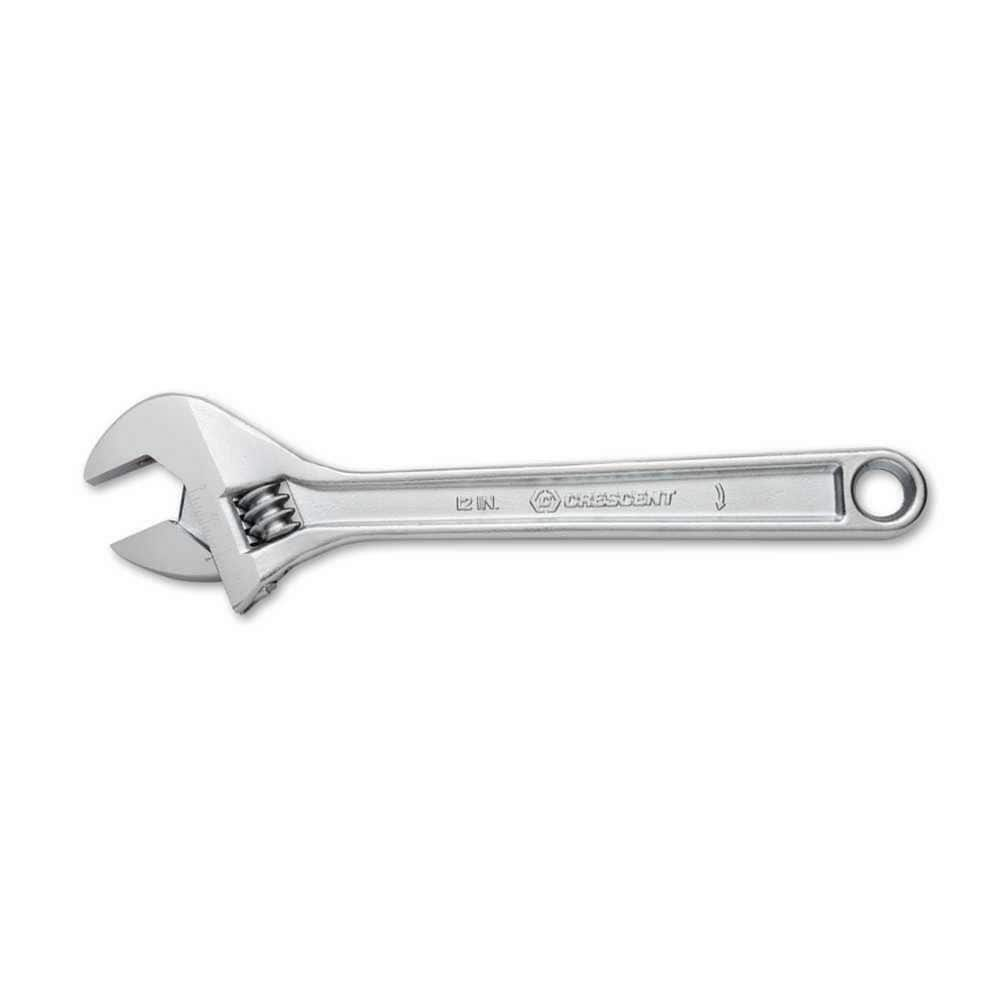
Crescent 12 in. Chrome Adjustable Wrench AC212VS

Channellock 12 in. V-Jaw Tongue and Groove Pliers 442

Bucket
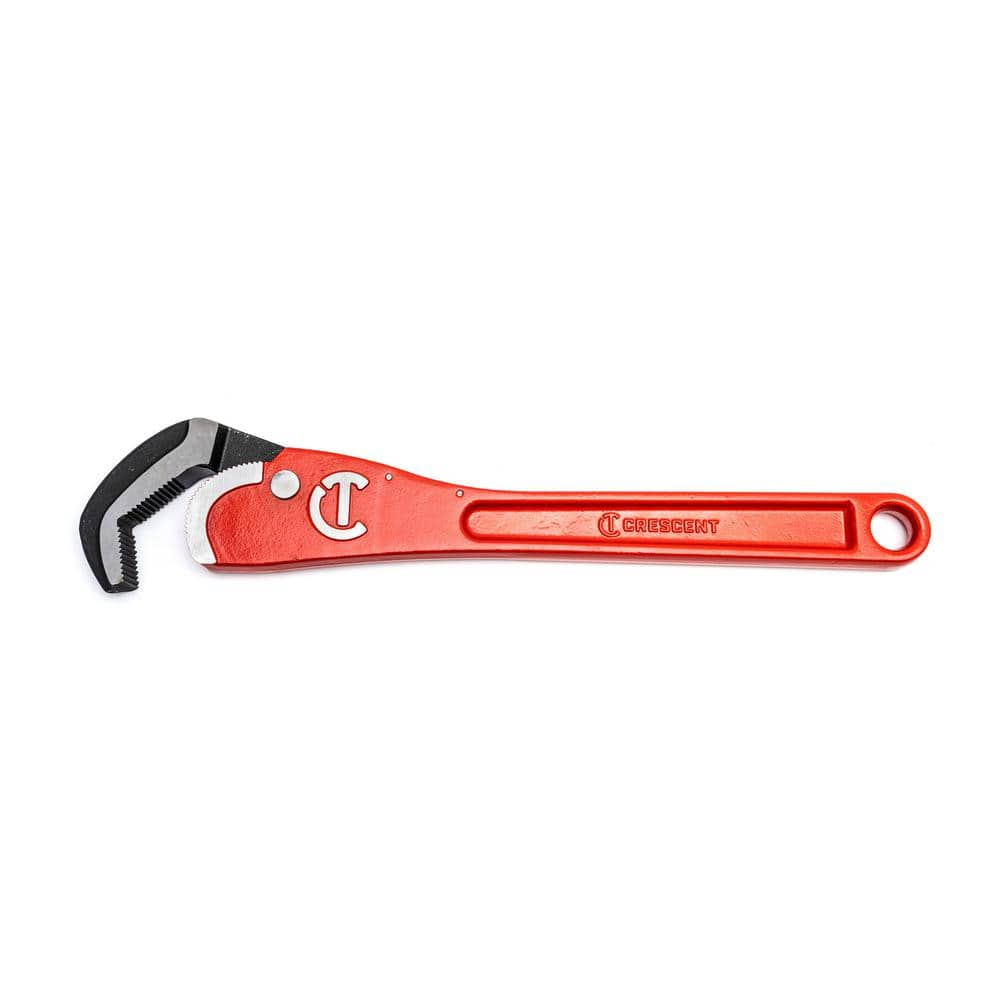
Crescent 16 in. Self Adjusting Pipe Wrench CPW16S
Unger 6 Gal. Heavy-Duty Plastic Bucket DB02
The Unger 6-Gallon Heavy-Duty Professional Cleaning Bucket holds more than 6 Gal. of liquid. The bucket can accommodate a scrubber up to 14 in. L. This bucket features measurement marks and 2-pour spouts
WYPALL L40 Towels, Dry Up Towels, 19-1/2 in. x 42 in., White, 200 Towels/Roll KCC05860
WYPALL L40 Wipers are effective wipers that absorb liquids lightning-fast. These wipes are made of bonded cellulose using DRC (double re-creped) technology for strength, softness and absorbency. As a wiping cloth, it soaks up liquids fast, but all you'll feel is softness, thanks to a plush, touchable outer layer. In fact, it's a popular choice for patient wiping in healthcare industries, for bathing and patient drying. These utility wipes are specially designed to absorb liquids, lubricants and oils (in restaurants for wiping counters, in mechanic shops, industrial and commercial factories and more), yet they're soft enough for use on face and hands. Experience the difference in superior absorbency and cleaning at your home or office today. Towel/Wipe Type: Dry Wipes; Application: Bathrooms; Material(s): Cloth-Like; Number of Plies: 1.
Crescent 12 in. Chrome Adjustable Wrench AC212VS
Since the introduction of the original Crescent wrench in the early 1900s, the Crescent brand has become synonymous with adjustable wrenches. Crescent Adjustable Wrenches feature a large knurl for easy
Channellock 12 in. V-Jaw Tongue and Groove Pliers 442
CHANNELLOCK 442 12" Tongue & Groove Pliers feature a unique v-jaw design that creates more points of contact on round stock and tubing. These pliers are built to last with a PERMALOCK fastener to eliminate
Bucket
Ideal for carrying or storing liquids.
Crescent 16 in. Self Adjusting Pipe Wrench CPW16S
The Crescent Self-Adjusting Pipe Wrench features a unique head design that instantly grips and releases pipes and other types of fasteners with a fast ratcheting action. It is ideal for most surfaces including black iron, galvanized, PVC, and copper pipes, as well as nuts, bolts, and couplings. The spring-loaded head features a quick-grip and quick-release function that allows the wrench to be used with one hand.
Steps

Shut Off Main Water and Drain Pipes
15 minsThe first and most critical step is to completely shut off the water supply to your entire home. Locate the main water shutoff valve, which is typically found in a basement, crawl space, or utility closet near where the main water line enters the house. Turn the valve handle clockwise until it stops. To drain the remaining water from the plumbing system, go to the lowest level of your home (like a basement sink or outdoor spigot) and open the faucet. Then, open the faucet at the sink where you'll be working to relieve any remaining pressure and drain the line. Place a bucket and towels directly under the angle stop you will be replacing to catch any residual water.

Disconnect Faucet Supply Line
5 minsThe angle stop is connected to the faucet via a flexible water supply line. Using an adjustable wrench or channel-lock pliers, loosen the coupling nut that secures this supply line to the top or side of the angle stop. Turn the nut counter-clockwise ('lefty-loosey'). You may need to hold the valve body steady with your other hand to prevent it from twisting. Once loosened, you can typically unscrew it the rest of the way by hand. Move the supply line out of the way.

Remove the Old Angle Stop
15 minsNow you will remove the old valve from the copper pipe stub-out coming from the wall. This requires two wrenches. Use one wrench (e.g., a pipe wrench or large adjustable wrench) to grip the valve body securely to provide counter-torque. Use a second adjustable wrench to grip the large compression nut located behind the valve body. Turn the second wrench counter-clockwise to loosen the nut. This may require significant force if the valve is old. Once the nut is loose, unscrew it completely and slide it back on the pipe. The old angle stop should now pull straight off the copper pipe.

Remove Old Nut and Ferrule
15 minsWith the valve body removed, the old compression nut and the small brass ring, called a ferrule (or compression sleeve), will remain on the copper pipe. These must be removed. The ferrule is compressed onto the pipe and can be difficult to get off. The best tool for this is a compression sleeve puller, which neatly pulls the ferrule and nut off without damaging the pipe. Alternatively, you can carefully cut a slot in the ferrule with a small hacksaw or rotary tool, being extremely careful not to cut into the copper pipe itself, and then pry it open with a flathead screwdriver. Do not reuse the old nut or ferrule.
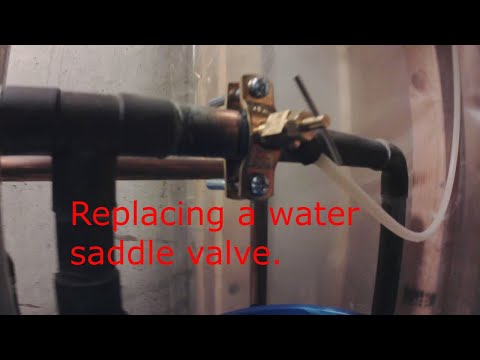
Clean and Prepare Pipe Stub-Out
5 minsOnce the old hardware is removed, thoroughly clean the end of the copper pipe stub-out. Use a piece of emery cloth or fine-grit sandpaper to polish the last inch of the pipe, removing any oxidation, old sealant, or burrs. The surface should be smooth and shiny. This ensures the new ferrule can create a perfect, watertight seal. Wipe the pipe clean with a dry rag to remove any dust or debris.

Install the New Angle Stop
5 minsTake your new angle stop; it should come with a new compression nut and ferrule. First, slide the new compression nut onto the clean copper pipe, making sure the threads face outwards, towards you. Next, slide the new brass ferrule onto the pipe with its tapered end facing the end of the pipe (towards where the valve will go). Now, push the body of the new angle stop firmly onto the end of the pipe until it seats snugly against the ferrule. The pipe should go about 1/2 to 3/4 inch into the valve body.

Tighten the Compression Fitting
5 minsSlide the compression nut up to the threads on the valve body and hand-tighten it as much as you can. Now, use your two wrenches again. Use one wrench as a backup to hold the valve body steady, preventing it from turning. Use the other wrench to tighten the compression nut an additional one-half to three-quarters of a turn. The goal is to compress the ferrule onto the pipe to create a seal, but not to overtighten it. Do not use plumber's tape or pipe dope on compression fittings.

Reconnect the Supply Line
5 minsWith the new angle stop securely installed, re-attach the flexible faucet supply line to the valve's outlet port. Screw the coupling nut on by hand until it is snug. Then, use your adjustable wrench to give it a final quarter-turn to snug it up. This connection typically has a rubber gasket, so it does not require extreme force to seal.

Restore Water and Check for Leaks
10 minsThe moment of truth. First, ensure the new angle stop is in the closed position and the sink faucet is also closed. Go back to your main water shutoff valve and turn it on SLOWLY. Turning it on too fast can cause a 'water hammer' effect that can damage pipes. Once the main is fully on, return to the sink. Carefully inspect the new angle stop, particularly around the compression nut and the supply line connection, for any signs of water. Use a dry paper towel to wipe every part of the connection; it will instantly reveal even the tiniest drip.

Final Test and Cleanup
5 minsIf there are no leaks with the valve closed, it's time for the final test. Slowly turn the handle on the new angle stop a quarter turn to the open position (the handle should be parallel to the pipe). Water will now flow to the faucet. Turn the faucet on and let it run for a minute, purging any air from the line. While the water is running, perform one last, thorough check for leaks around the valve, its stem, and both connections. If everything is dry, you have successfully replaced your angle stop. Clean up your tools and dry the area under the sink.
Common Problems
Stuck shutoff valves can lead to pipe bursts or water damage if forced.
Solution: If the shutoff valves are stuck, do not force them. You may need to shut off the main water supply to the house instead.
This is a crucial first step to avoid water spraying everywhere while you work.
Solution: To avoid this issue: Be mindful of this warning and take appropriate precautions.
Failure to open the valve after shutting off the water can lead to damage during disassembly, as pressure can still be trapped inside.
Solution: To avoid this issue: Be mindful of this warning and take appropriate precautions.
Ensure the main water supply is completely off. Failure to do so can result in significant water damage.
Solution: To avoid this issue: Be mindful of this warning and take appropriate precautions.
If the valve is severely corroded, it may be difficult to loosen. Applying penetrating oil can help, but be prepared to use significant force.
Solution: To avoid this issue: Be mindful of this warning and take appropriate precautions.
Connecting the wrong supply line to the angle stop will result in no hot water.
Solution: Hot water supply line typically goes to the left connection point.
Flexible PEX lines can twist and break when tightening or loosening fittings.
Solution: Use pliers or another wrench to stabilize the shut-off valves if they are flexible PEX lines.
Frequently Asked Questions
Is the 3-hour time estimate realistic for a beginner attempting this for the first time?
For a beginner, the 3-hour estimate is achievable, but it's wise to budget an extra hour or two, especially if you encounter corroded parts or need to double-check steps. Taking your time to ensure proper installation is key to preventing future leaks and avoiding costly mistakes.
What are the most common mistakes beginners make when replacing an angle stop, and how can I avoid them?
Overtightening the compression nut is a frequent error that can damage the pipe or ferrule, leading to leaks. Always use two wrenches—one to hold the valve body and one to tighten the nut—and tighten until snug, then an additional quarter to half turn. Not fully cleaning the pipe stub-out is another mistake; ensure it's smooth and free of debris for a good seal.
Do I really need all the specific tools listed, or can I make do with a basic adjustable wrench and pliers?
While an adjustable wrench and tongue-and-groove pliers are essential, specialized tools like the Angle Compression Stop Wrench can make working in tight spaces much easier and prevent stripped nuts. For a beginner, having the right tools improves efficiency and reduces the likelihood of issues. Consider borrowing or renting specialized tools if you don't want to purchase them for a one-time use.
What are the crucial safety precautions to take before starting this project, particularly regarding water shut-off?
The most critical step is completely shutting off the main water supply to your house. Verify this by opening a lower-level faucet after shutting off the main to ensure the water flow stops completely. Also, ensure you have plenty of towels and a bucket ready to catch any residual water from the pipes to prevent water damage under the sink.
I installed the new angle stop, but it's still leaking. What should I check first?
First, gently try tightening the compression nut a bit more, but avoid overtightening. If it still leaks, carefully disassemble the connection and inspect the compression ferrule and the pipe stub-out for damage, nicks, or debris. Ensure the ferrule is correctly oriented and clean the pipe thoroughly with fine-grit sandpaper before reassembling.
Are there easier-to-install valve types I could consider if I'm worried about a compression fitting?
Yes, push-fit (e.g., SharkBite) angle stops are an excellent alternative for beginners. They require no special tools for installation and provide a secure, leak-free connection by simply pushing them onto the pipe. While they might be slightly more expensive, their ease of installation can be a significant advantage.