
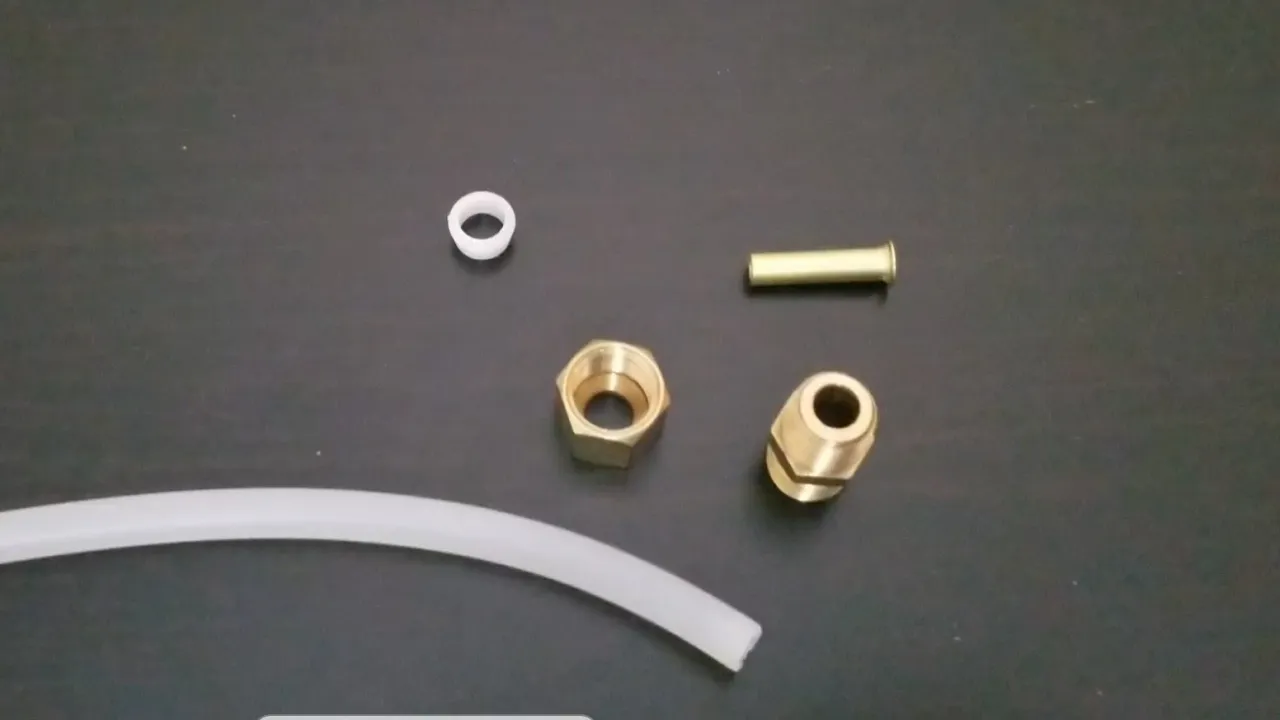
How to Properly Apply Thread Seal Tape (Teflon Tape)
About This Project
This guide provides comprehensive, step-by-step instructions for the correct application of thread seal tape (commonly known as Teflon tape or plumber's tape) to tapered male pipe threads. The process involves cleaning the threads, wrapping the tape in the correct direction (clockwise), applying the appropriate number of wraps, and properly assembling the fitting to create a durable, leak-proof seal for plumbing connections.
Best for beginners and first-time DIYers with basic plumbing knowledge.
Tools & Materials

THE CLEAN STORE Microfiber Pink/White Cleaning Cloths (Pack of 100) 79136
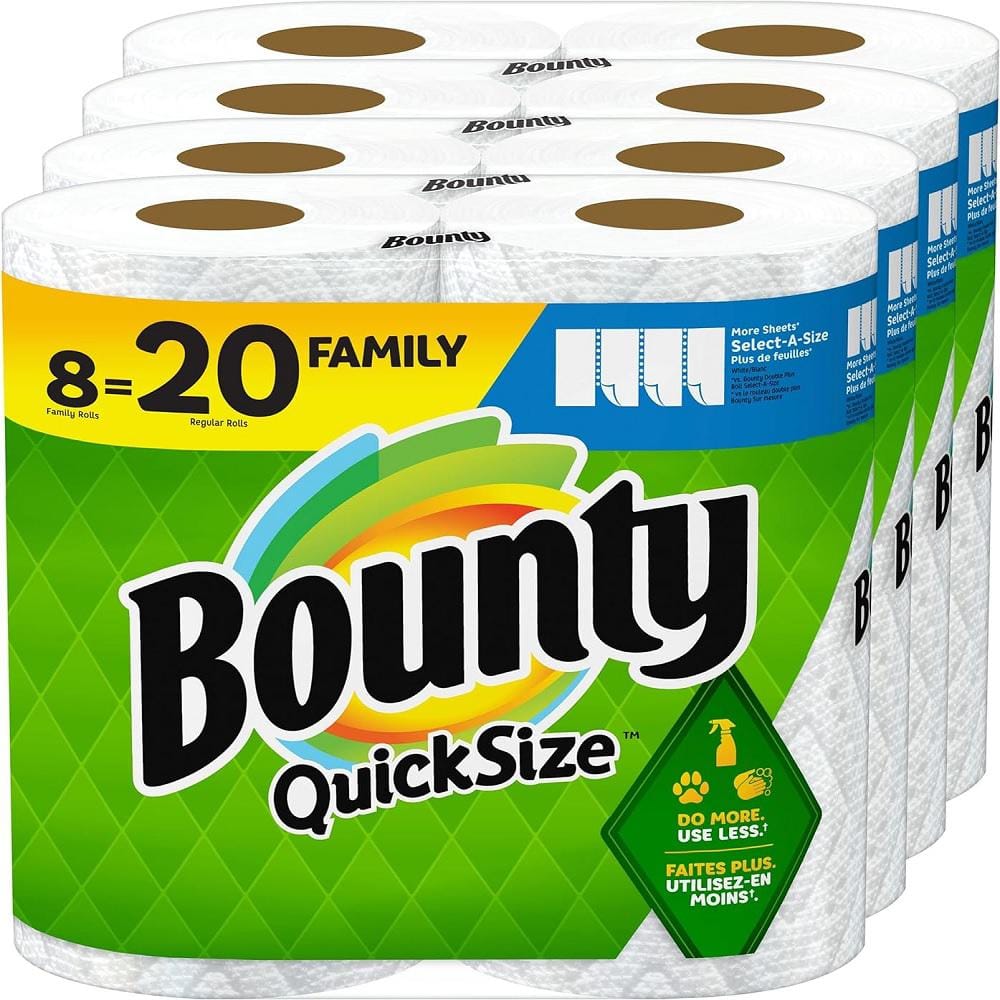
ITOPFOX Quick Size White High Absorbent Paper Towel Roll 100 Sheets Per Roll 8 Rolls Per Pack HDPH032OT060
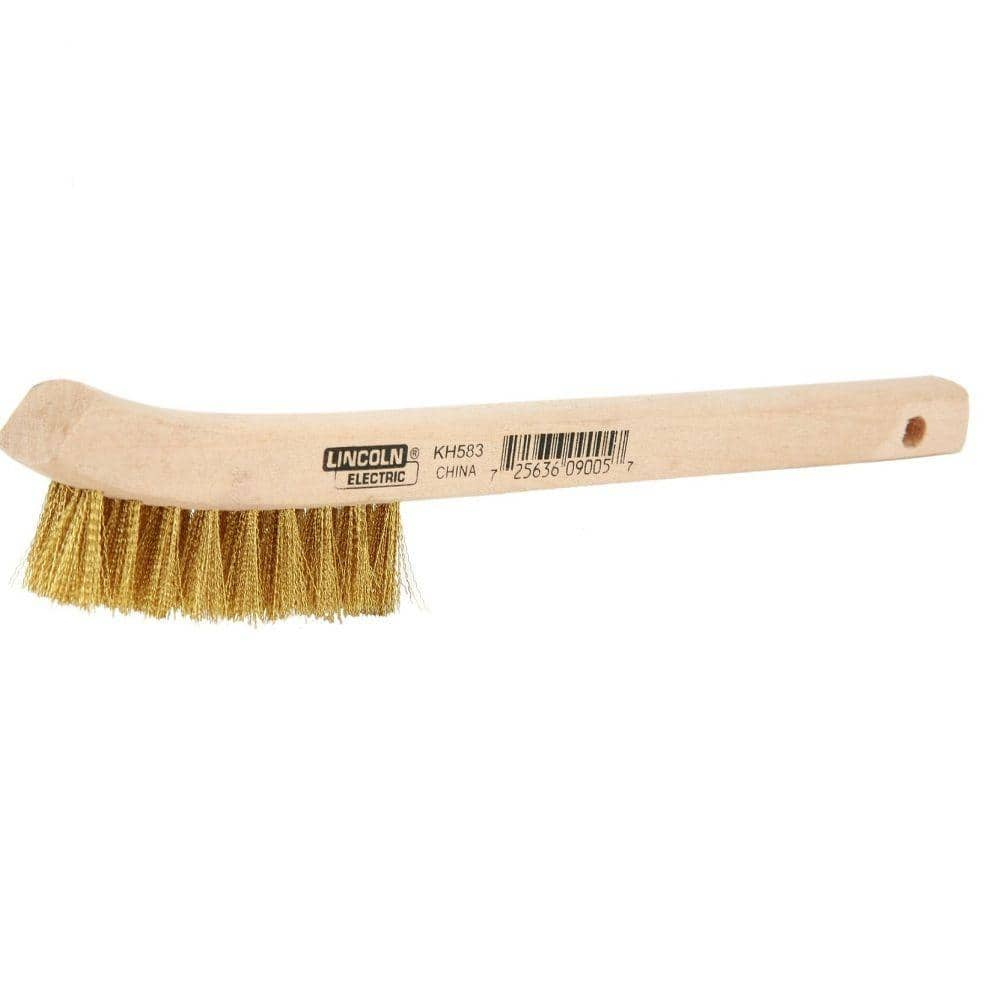
Lincoln Electric 9 in. Long Wooden Handled Brass Welding Wire Brush (.4 in. x 2.6 in. Bristle Area 2 x 9 Row) for Cleaning Aluminum KH583
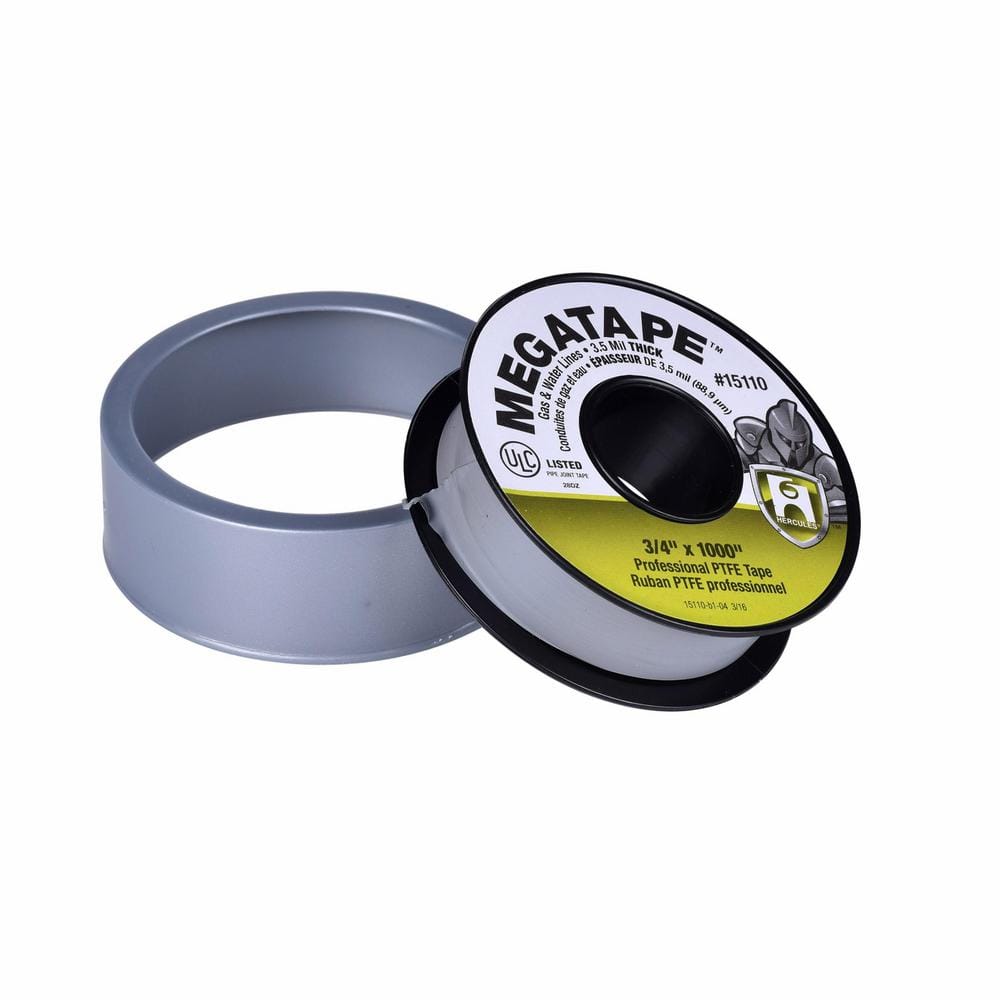
Hercules Mega Tape 3/4 in. x 1000 in. Thread Sealing PTFE Plumber's Tape 15110
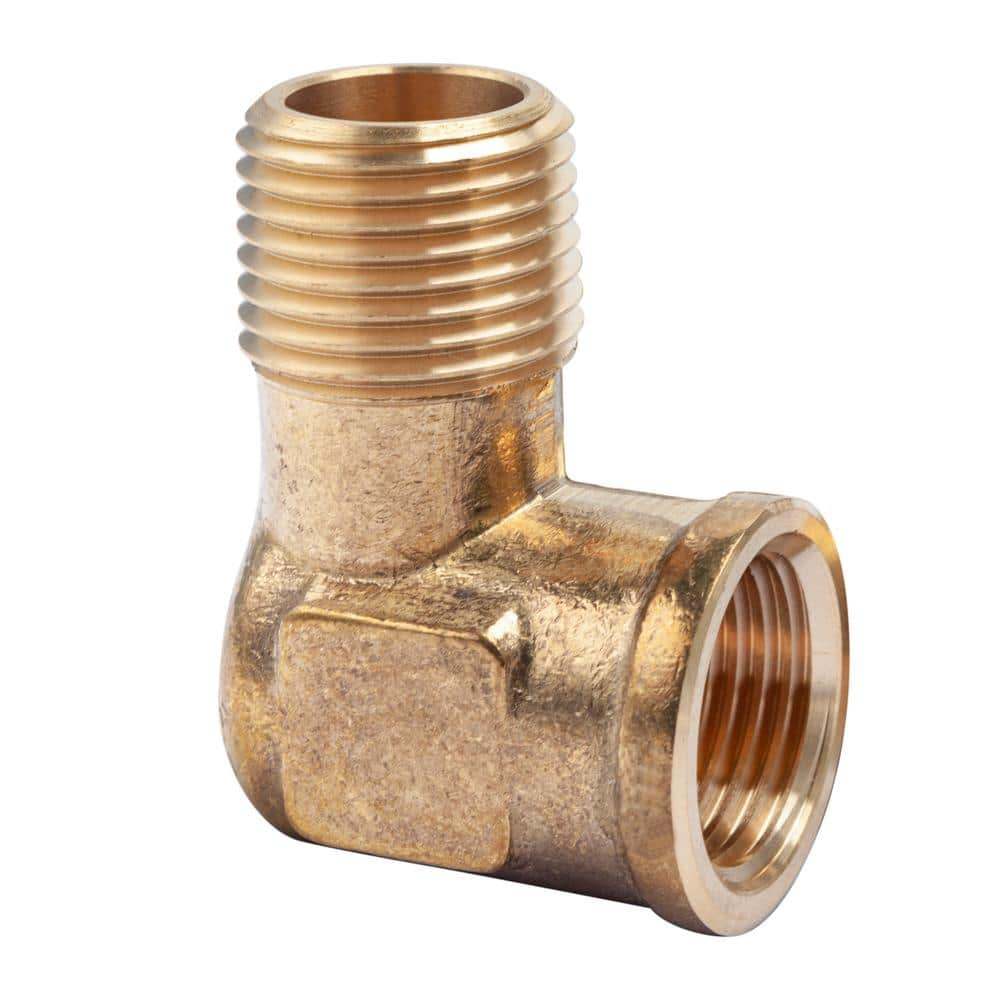
LTWFITTING 1/2 in. MIP x 1/2 in. FIP Brass Pipe Street 90° Elbow Fitting (5-Pack) HF310805
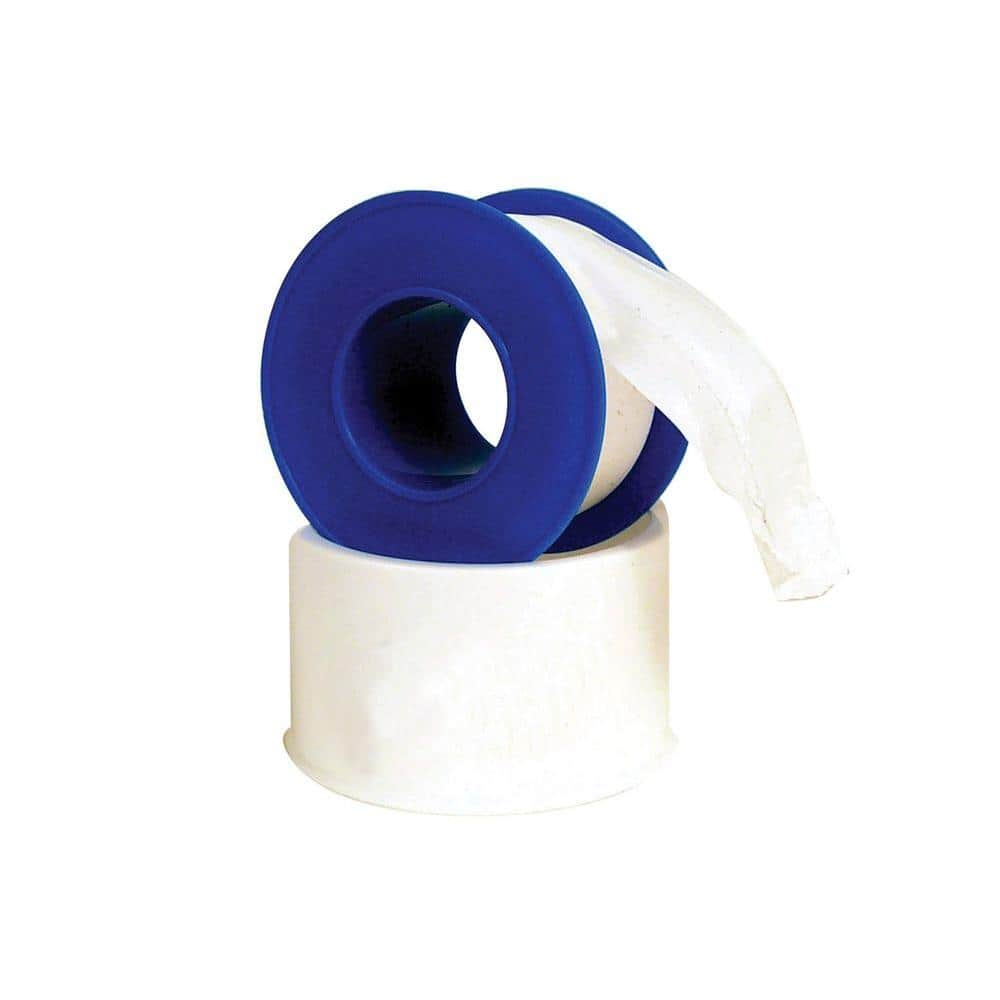
Harvey 1/2 in. x 260 in. Thread Sealing PTFE Plumber's Tape 178503
THE CLEAN STORE Microfiber Pink/White Cleaning Cloths (Pack of 100) 79136
The Pull N Wipe Microfiber Cleaning Rags are the ideal cleaning cloths for all your cleaning needs. Whether you keep a box at Home to clean around the house, In the Kitchen to clean up after cooking or
ITOPFOX Quick Size White High Absorbent Paper Towel Roll 100 Sheets Per Roll 8 Rolls Per Pack HDPH032OT060
Introducing our Quick Size White High Absorbent Paper Towel Roll, the ultimate solution for your everyday cleaning needs. with its convenient quick size sheets, you can easily tear off just the right amount for any mess, saving time and reducing waste. Keep your home clean and tidy with the superior absorbency and strength of our paper towel rolls.
Lincoln Electric 9 in. Long Wooden Handled Brass Welding Wire Brush (.4 in. x 2.6 in. Bristle Area 2 x 9 Row) for Cleaning Aluminum KH583
Lincoln Electric Wood-Handled Brass Bristle Brush is for general-purpose cleaning and welding projects, including delicate or finish work. The brass bristles are durable. The brush measures 8-3/4 in. long. The bristle area is 3/8 in. x 2-1/2 in.
Hercules Mega Tape 3/4 in. x 1000 in. Thread Sealing PTFE Plumber's Tape 15110
Hercules Megatape is an all-purpose, professional-grade PTFE thread-sealing tape designed for use on a wide range of threaded pipes. At 3.5 mils thick, it provides more PTFE than most tapes to seal better
LTWFITTING 1/2 in. MIP x 1/2 in. FIP Brass Pipe Street 90° Elbow Fitting (5-Pack) HF310805
This LTWFITTING Pipe fitting is made of brass for durable. Female National Pipe Taper (NPT) threads on one end and male NPT threads on the other for connecting pipes with different ends. Primary uses water, gasoline, oil, vacuum and air lines.
Harvey 1/2 in. x 260 in. Thread Sealing PTFE Plumber's Tape 178503
Harvey PTFE Thread Seal Tape is an economy-grade, low-density tape for use on a wide range of threaded pipes. Made with virgin white PTFE construction for long lasting durability. It is non-flammable and safe for use on potable water applications. For more than 75 years, Harvey has offered a wide variety of products for the plumbing sector.
Steps

Clean the Threads
30 minsBefore applying any new tape, it is essential to prepare the male threads of the fitting. Use a clean, dry rag or paper towel to wipe the threads thoroughly. If there is any old tape, pipe dope residue, dirt, or grease, remove it completely. For stubborn debris, a wire brush can be used to gently scrub the threads clean. Ensure the threads are completely dry before proceeding, as moisture can prevent the tape from adhering properly and compromise the seal.

Position and Start Wrapping
15 minsHold the pipe fitting securely in one hand. With your other hand, take the roll of thread seal tape. Position the leading edge of the tape flat against the male threads, starting on the second thread from the end of the pipe. Do not start on the very first thread, as this increases the risk of tape getting inside the pipe. Use the thumb of the hand holding the fitting to press the tape's end firmly against the thread to hold it in place as you begin to wrap.

Wrap in the Correct Direction
20 minsThis is the most critical step for a successful seal. Wrap the tape around the threads in a CLOCKWISE direction when viewing the fitting from the end. Wrapping clockwise ensures that as the male fitting is screwed into the female fitting (which also turns clockwise), the friction tightens the tape into the threads. If wrapped counter-clockwise, the tape will bunch up and unravel, destroying the seal. As you wrap, maintain a firm, constant tension on the tape so that it pulls tightly and conforms to the shape of every thread.

Apply Sufficient Wraps
20 minsContinue wrapping the tape in a clockwise direction, working your way from the end of the pipe towards the body of the fitting. Overlap each successive layer of tape by approximately half of its width. For most standard water pipe fittings (1/2" to 3/4"), a total of 3 to 5 complete revolutions around the fitting is sufficient. The goal is to embed tape into the thread valleys to fill any gaps. You should still be able to faintly see the outline of the threads through the tape; applying too much can make it difficult to thread the fittings or even crack the female fitting.

Break and Smooth the Tape
10 minsAfter completing the final wrap, hold the fitting firmly and pull the roll of tape sharply away from the fitting. The tape should stretch and snap cleanly. This is preferable to cutting with a knife. Once the tape is broken, use your finger and thumb to press the loose end of the tape down and smooth the entire wrapped area in the same clockwise direction. This ensures the tape is tightly molded into the threads and the loose end will not interfere with assembly.

Assemble the Fitting
30 minsWith the threads properly wrapped, you can now assemble the joint. Align the male fitting with the female fitting and thread them together by hand as far as they will go. This ensures the threads are not cross-threaded. Then, select the appropriate wrench, such as a pipe wrench or an adjustable wrench, and tighten the fitting an additional one to two full turns past hand-tight. The PTFE tape acts as both a sealant and a lubricant, so excessive force is unnecessary and can damage the threads or crack the fitting.
Common Problems
Using the wrong type of Teflon tape can lead to leaks.
Solution: The pink Teflon tape shown is a heavy-duty type often used by plumbers, but standard white Teflon tape will also work for this application.
Applying too much tape can prevent the fitting from screwing in properly and may even cause the plastic housing to crack.
Solution: To avoid this issue: Be mindful of this warning and take appropriate precautions.
Tape unravels, causing leaks if not wrapped in the tightening direction.
Solution: Apply teflon tape in the tightening direction (usually clockwise) of the male thread.
Do not overlap or crossover the teflon tape onto the mating surfaces of the union as this can interfere with the seal.
Solution: To avoid this issue: Be mindful of this warning and take appropriate precautions.
Tape bunches and leaks when fitting is tightened.
Solution: Wrapping the tape clockwise is critical. If wrapped counter-clockwise, tightening the fitting will cause the tape to bunch up and fail to seal properly.
Tape unravels and leaks when fitting is tightened.
Solution: Wrap the tape clockwise so it doesn't unravel when you tighten the fitting.
Over-applying thread seal tape can cause fittings to crack or strip threads.
Solution: Three to four wraps is usually sufficient; more is just overkill.
Frequently Asked Questions
Why is wrapping the thread seal tape in a clockwise direction so important, and what happens if I wrap it the wrong way?
Wrapping the tape clockwise ensures it tightens onto the threads as you screw the fitting on. If wrapped counter-clockwise, the tape will unravel and tear as the fitting is tightened, creating gaps that lead to leaks. Always wrap in the same direction as the threads tighten.
Do I absolutely need a pipe wrench, or can I get by with an adjustable wrench for this project?
While an adjustable wrench can work for some smaller or less stubborn connections, a pipe wrench is highly recommended for its superior grip and leverage. It helps ensure you can achieve a sufficiently tight, leak-proof seal without damaging the fitting or slipping, especially on older or larger pipes.
How do I know if I'm applying the right amount of thread seal tape, and what are the risks of using too little or too much?
Generally, 3-5 firm wraps provide an effective seal for most tapered pipe threads. Too little tape won't create a complete seal, leading to leaks. Too much tape can prevent the fitting from tightening fully, or worse, over-stress and crack the fitting, particularly if it's plastic.
What safety precautions should I take before starting this plumbing project, even if it seems simple?
Always turn off the main water supply to the section or house you're working on to prevent accidental flooding. Have towels or a bucket ready for any residual water in the pipes. For gas lines, ensure the gas supply is off and the area is well-ventilated.
Can I use pipe dope (thread sealant) instead of or in addition to thread seal tape?
Yes, pipe dope can be used as an alternative to thread seal tape, or even in conjunction with it for an extra robust seal, particularly on gas lines or larger diameter pipes. Always ensure the pipe dope you choose is compatible with your specific plumbing materials and intended use (e.g., potable water, gas).
I've applied the tape correctly, but my connection is still leaking. What should I do?
First, carefully disassemble the fitting, clean both the male and female threads thoroughly, and reapply new tape, ensuring smooth, even wraps. If it still leaks, inspect both sets of threads for any damage, burrs, or cracks, as compromised threads cannot be properly sealed and may require replacement.