How to Fix a Leaky Outdoor Faucet Packing Nut
About This Project
This guide provides step-by-step instructions for fixing a common leak on an outdoor faucet (spigot or hose bibb) that originates from the packing nut located behind the handle. The process involves first attempting to tighten the nut, and if that fails, replacing the internal packing material (either a washer or twine) to create a new seal.
Best for homeowners and DIY enthusiasts with basic plumbing knowledge and familiarity with power tools.
Tools & Materials
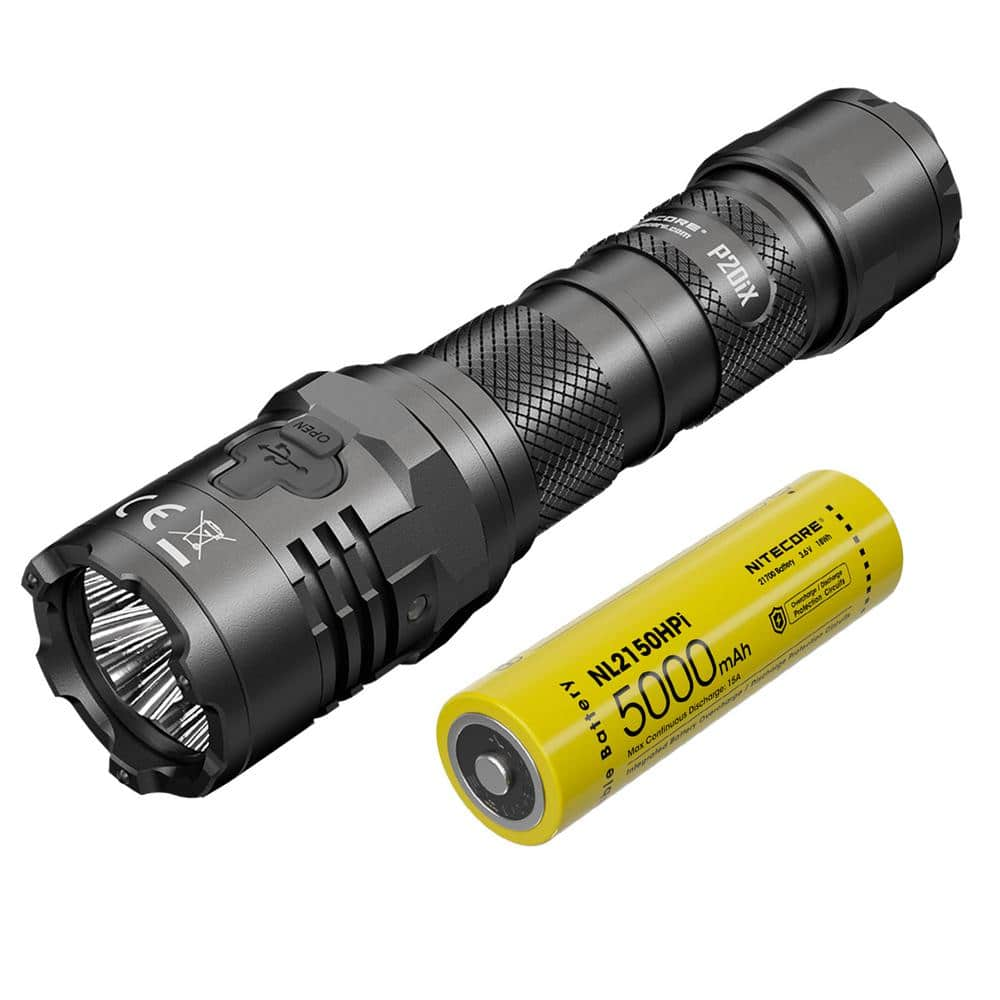
NITECORE 4000 Lumens USB-C LED Rechargeable Tactical Flashlight P20iX
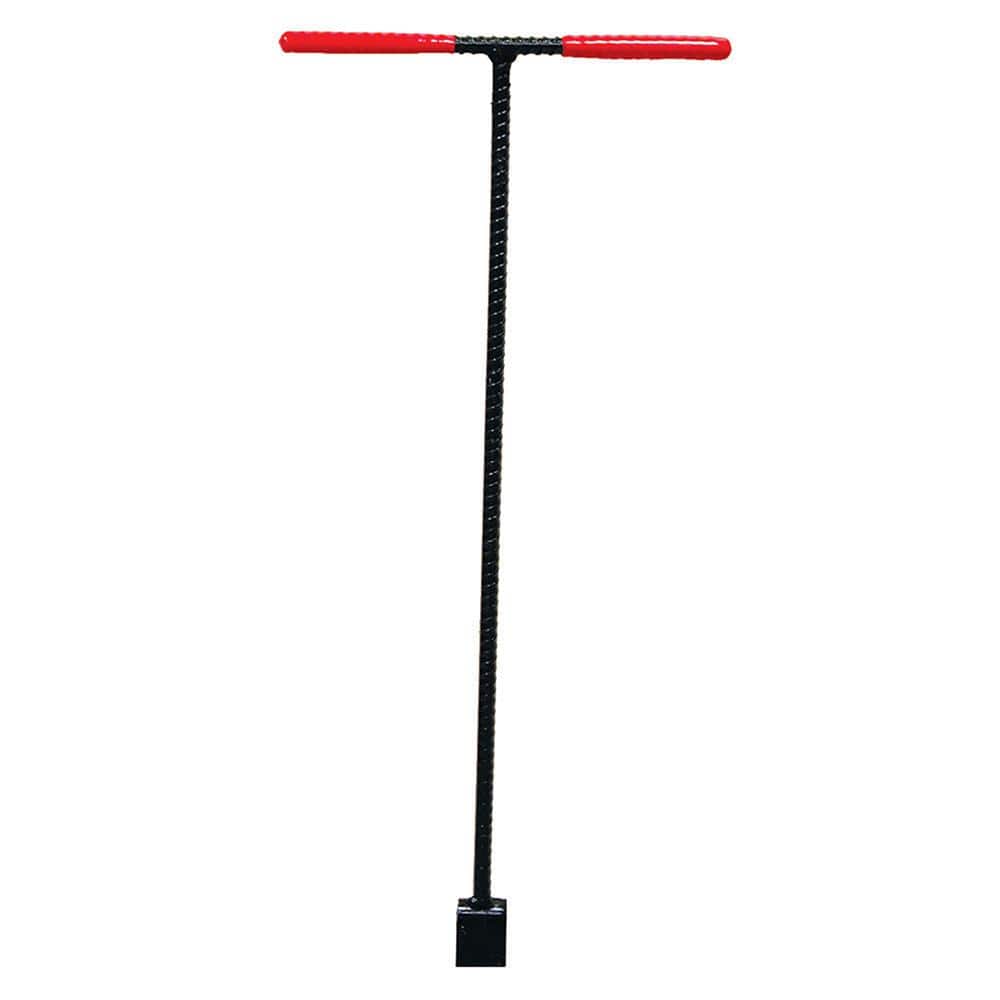
JONES STEPHENS 3/4 in. x 60 in. Length Steel Street and Curb Water Meter Key M25760
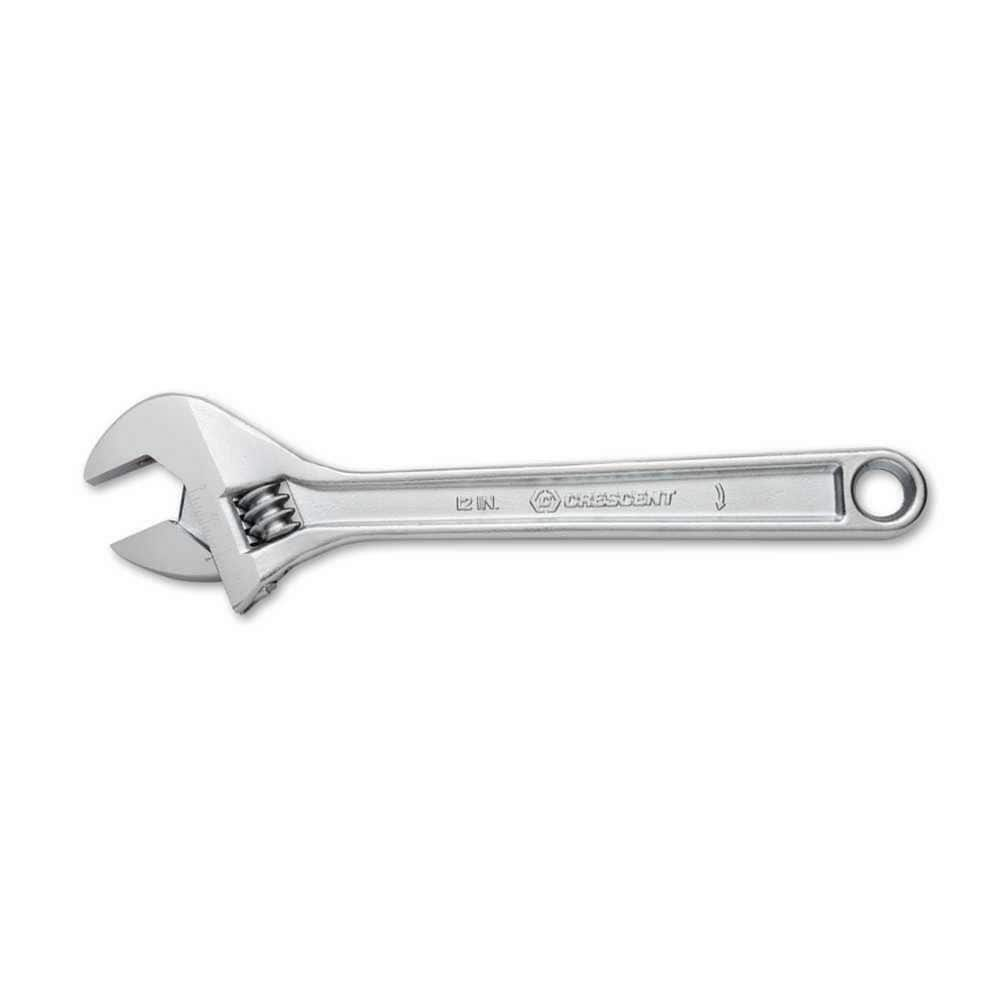
Crescent 12 in. Chrome Adjustable Wrench AC212VS
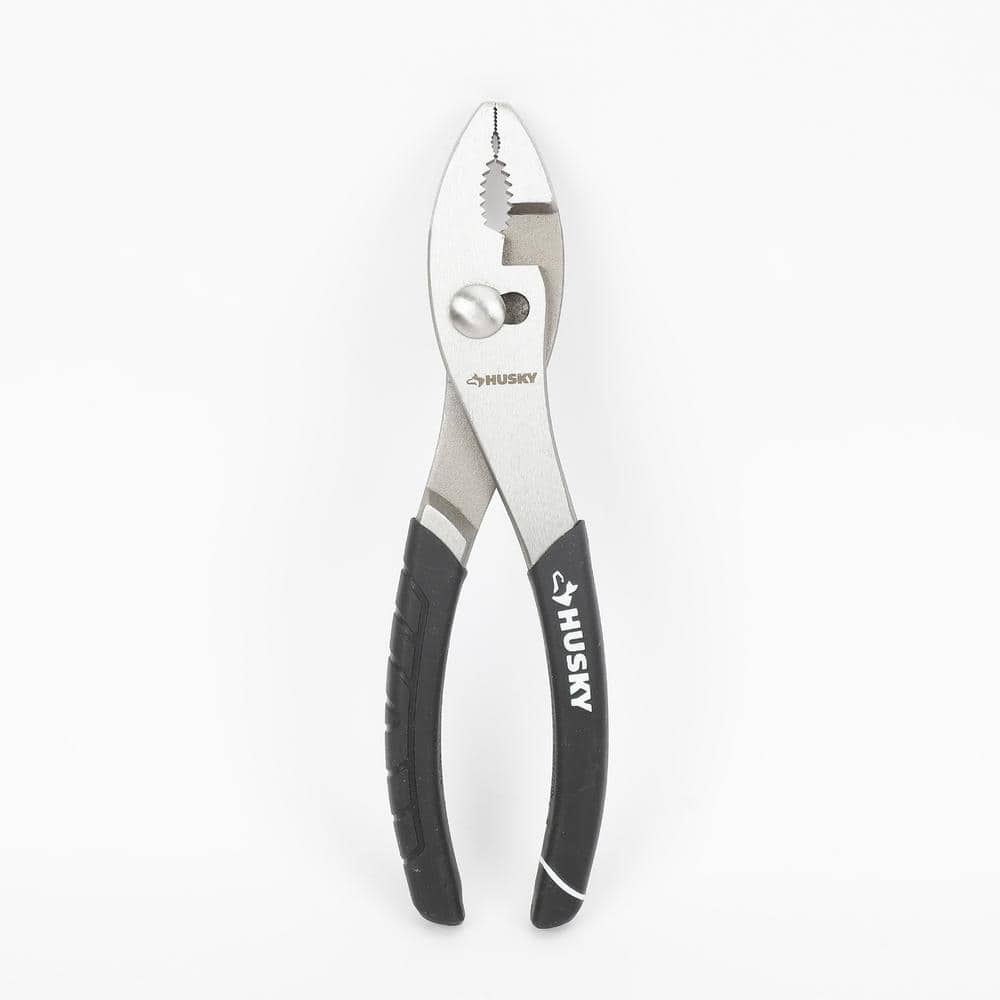
Husky 8 in. Standard Slip Joint Pliers 91227
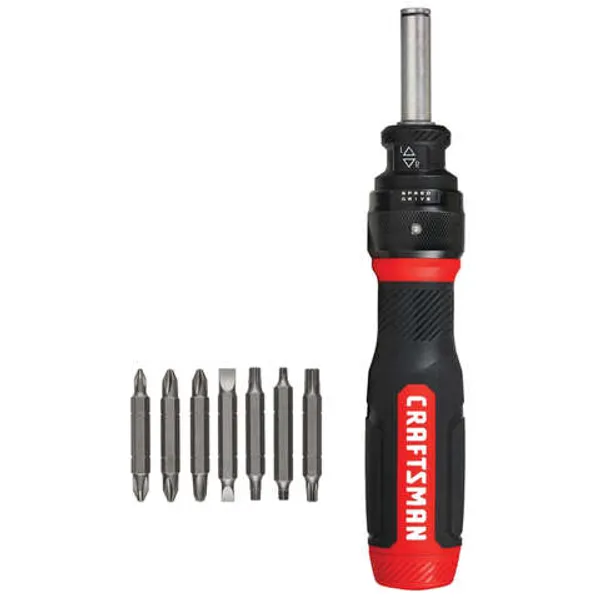
Screwdriver
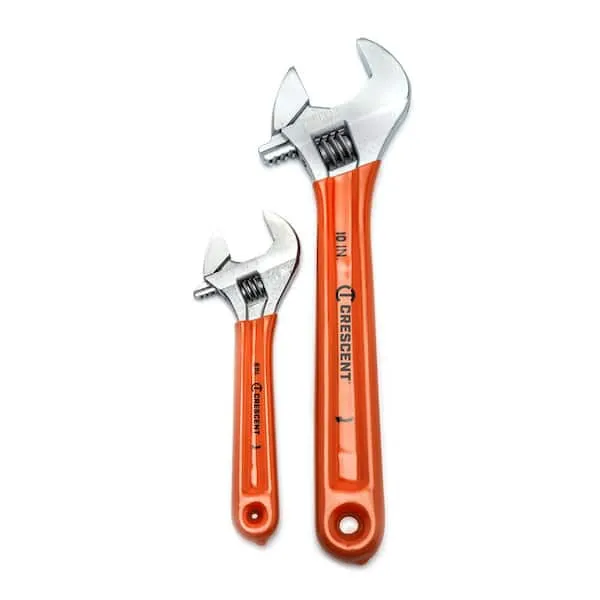
Adjustable Wrench
NITECORE 4000 Lumens USB-C LED Rechargeable Tactical Flashlight P20iX
The NITECORE P20iX is unrivaled when it comes to performance. NITECORE took the beloved P20i frame and maintained the compact size, ergonomics and doubled the power with 4 LEDs. This Xtreme high lumen
JONES STEPHENS 3/4 in. x 60 in. Length Steel Street and Curb Water Meter Key M25760
Jones Stephens has built its reputation over the years as a leader in the plumbing industry, providing the market with thousands of products to complete any project. If you need it, we got it. The 3/4
Crescent 12 in. Chrome Adjustable Wrench AC212VS
Since the introduction of the original Crescent wrench in the early 1900s, the Crescent brand has become synonymous with adjustable wrenches. Crescent Adjustable Wrenches feature a large knurl for easy
Husky 8 in. Standard Slip Joint Pliers 91227
Husky 8 in. Standard Slip Joint Pliers is used for turning or bending small objects. Its is designed to allow the worker to apply force to the object being gripped. It is often used for gripping nails,
Screwdriver
A tool used to turn screws.
Adjustable Wrench
Fits various nut and bolt sizes with its adjustable jaw.
Steps

Turn Off Water Supply
5 minsBefore any work can begin, you must shut off the water supply to the faucet. Locate the shut-off valve for this specific outdoor faucet, which is typically found inside your home in the basement or a crawlspace, on the pipe leading to the faucet. Turn the valve handle clockwise until it is fully closed. If you cannot find a dedicated valve, you will need to turn off the main water supply to the entire house. After the water is off, go back outside and turn the leaky faucet on to drain any residual water left in the pipe.
Watch: Shut Off Main Water and Drain Pipes
Tighten the Packing Nut
5 minsThe simplest fix may be all that is needed. Using an adjustable wrench or a pair of slip-joint pliers, grip the packing nut securely. The packing nut is the larger nut located directly behind the faucet handle, against the main body of the spigot. Turn the nut clockwise (righty-tighty) a very small amount, approximately 1/8 to 1/4 of a turn. Do not apply excessive force. This action compresses the packing material inside, potentially sealing the leak. After this small adjustment, you can temporarily turn the water supply back on to check if the leak has stopped. If it's dry, you are done! If it still leaks, turn the water off again and proceed to the next step.
Watch: Loosen Packing Nut
Disassemble the Faucet Handle and Nut
10 minsIf tightening failed, you must replace the packing. Ensure the water is off. Use a Phillips or flathead screwdriver to remove the screw located in the center of the faucet handle. Once the screw is out, pull the handle straight off the splined valve stem. If it is corroded and stuck, you may need to gently wiggle it or use a faucet handle puller. With the handle removed, use your adjustable wrench to grip the packing nut and turn it counter-clockwise (lefty-loosey) until it is completely unscrewed from the faucet body. Slide it off the valve stem.
Watch: Remove the Faucet Handle
Remove Old Packing and Install New
10 minsWith the packing nut removed, you can see the old packing material around the valve stem. Using a small pointed tool like a dental pick or a very small flathead screwdriver, carefully dig out the old packing. It may be a single rubber or graphite washer, or it might be a fibrous, string-like material. Clean the area thoroughly. To replace it, you can either use a new packing washer that is an exact match for the old one, simply sliding it over the stem into place. Alternatively, you can use graphite or Teflon packing twine. Tightly wrap the twine around the valve stem in a clockwise direction 3 to 4 times, filling the space where the old packing was. The clockwise wrap prevents the twine from unwinding as you tighten the nut.
Watch: Install and Adjust the Packing Nut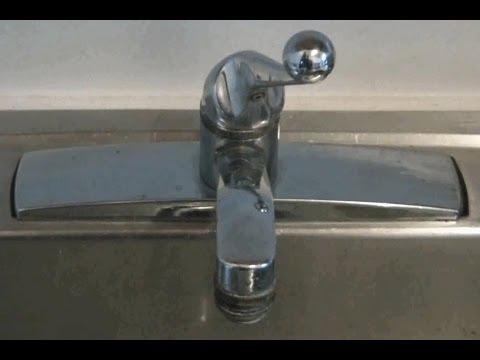
Reassemble the Faucet
5 minsNow, reassemble the faucet in the reverse order of disassembly. Slide the packing nut back over the valve stem and thread it onto the faucet body. Start by hand-tightening it clockwise. Then, use your adjustable wrench to snug it down another half-turn. The goal is to compress the new packing material to create a seal, but not make it so tight that the valve stem cannot turn. Place the faucet handle back on the valve stem, making sure it's oriented correctly (usually with the 'off' position fully clockwise). Insert the handle screw and tighten it firmly with your screwdriver.
Watch: Reassemble Faucet
Turn Water On and Test for Leaks
5 minsThe final step is to test your work. Go back to the shut-off valve and open it slowly and completely. Return to the outdoor faucet and inspect the packing nut area closely for any signs of water drips or seepage. Turn the faucet on and let water flow, then turn it off again. Check for leaks in both the on and off positions. If a small drip appears from the packing nut, use your wrench to give it one last, very slight (1/8 turn) tightening. If the leak is gone and the handle operates smoothly, the repair is complete.
Watch: Turn Water On and TestCommon Problems
Only tighten the nut in small increments, about a quarter-turn at a time, to avoid over-tightening.
Solution: To avoid this issue: Be mindful of this warning and take appropriate precautions.
Sudden full water pressure can cause a new leak at the packing nut.
Solution: Turn the water back on slowly and check for leaks before fully pressurizing the system.
Be gentle and avoid overtightening the packing nut, which can damage the packing material or the valve.
Solution: To avoid this issue: Be mindful of this warning and take appropriate precautions.
Do not overtighten the packing nut, or the handle will be too stiff to operate.
Solution: To avoid this issue: Be mindful of this warning and take appropriate precautions.
Be careful with tools to avoid injury, such as stabbing your hand with a screwdriver.
Solution: To avoid this issue: Be mindful of this warning and take appropriate precautions.
Avoid over-tightening, which can damage the valve.
Solution: To avoid this issue: Be mindful of this warning and take appropriate precautions.
Ensure both hot and cold water lines are fully shut off before proceeding.
Solution: To avoid this issue: Be mindful of this warning and take appropriate precautions.
Frequently Asked Questions
What's the absolute first and most important step to take before attempting this repair?
You must turn off the main water supply to your house or the specific line feeding the outdoor faucet. Failing to do so can result in significant water damage and a much larger plumbing emergency. After turning off the supply, open the faucet to drain any remaining water from the line.
Do I really need the specific branded tools and materials listed, or can I use alternatives?
While the listed items are recommended for convenience, you generally only need an adjustable wrench and a screwdriver (a flathead is common for older spigots). For packing, standard faucet packing washers of the correct size or specialized graphite/Teflon packing cord can often substitute jute twine if the Danco washers aren't available. Always ensure your tools are the correct size to avoid stripping nuts.
I tried tightening the packing nut, but the leak is still there. What should I do next?
If tightening doesn't resolve the leak, it indicates that the internal packing material (whether it's a washer or twine) is worn out and needs replacement. Proceed to disassemble the faucet handle and packing nut, then carefully remove the old packing and install new material as detailed in the project steps. This usually provides a lasting fix.
How can I be certain the leak is coming specifically from the packing nut and not another part of the faucet?
Thoroughly dry the entire faucet body and surrounding area with a shop towel. Then, turn the water on to the faucet and carefully observe where the water first appears. If it's dripping or seeping directly from behind the handle, around the stem where the packing nut is located, then the packing nut is indeed the source of the leak.
As a beginner, how long should I realistically expect this 'beginner' project to take?
While estimated at 2 hours, a beginner might take a bit longer, especially if encountering unexpected issues like a stubborn or corroded nut, or difficulty finding the right packing size. If only tightening the packing nut is required, the task could be as quick as 15-30 minutes. Always allocate ample time and avoid rushing through the steps to ensure a proper repair.
What's the typical cost involved in this DIY outdoor faucet packing repair?
This is one of the most cost-effective plumbing repairs you can do yourself. If you already own basic tools like an adjustable wrench and screwdriver, your cost will likely be under $10 for replacement packing washers or twine. Even if you need to purchase these basic tools, the total cost should still be well under $50, significantly less than hiring a professional plumber.