
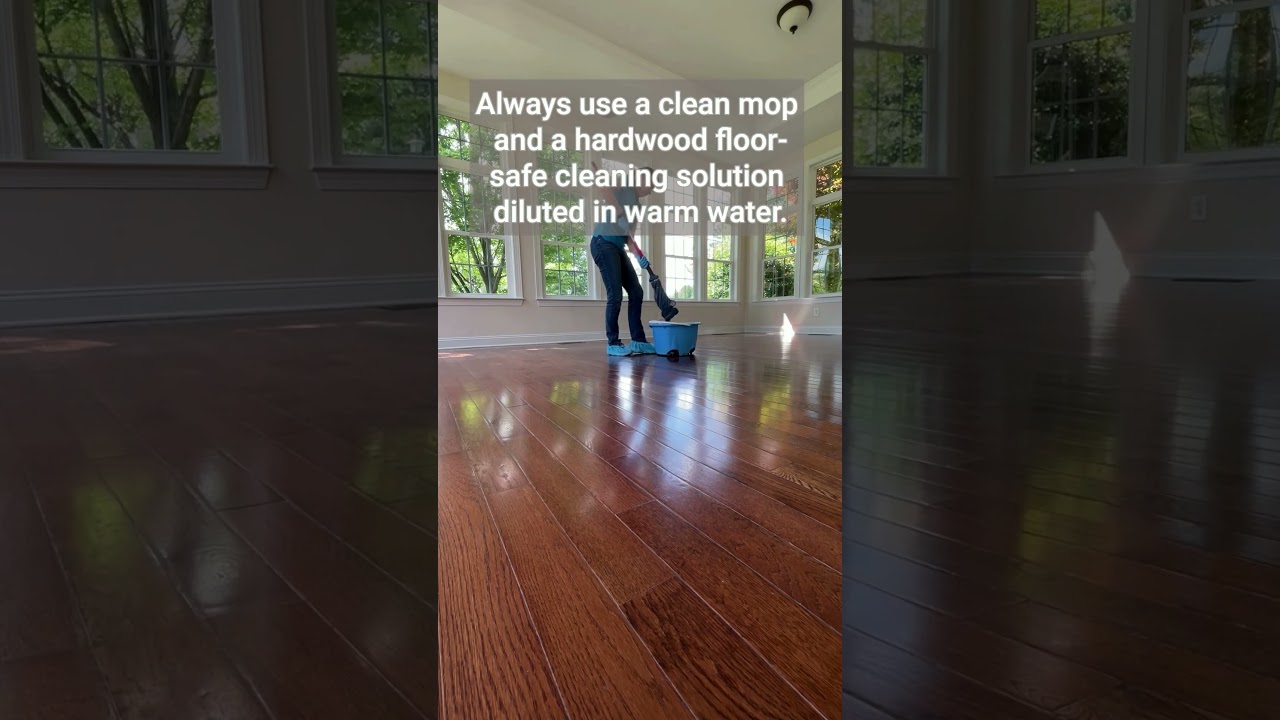
Hardwood Floor Cleaning
About This Project
This outline provides a high-level guide for cleaning hardwood floors, covering routine maintenance, deeper cleaning methods, and protection strategies to keep your floors looking their best.
Tools & Materials

HDX Giant 22 in. Microfiber Wet-Dry Flip Mop with 20% more Microfiber 7014XL
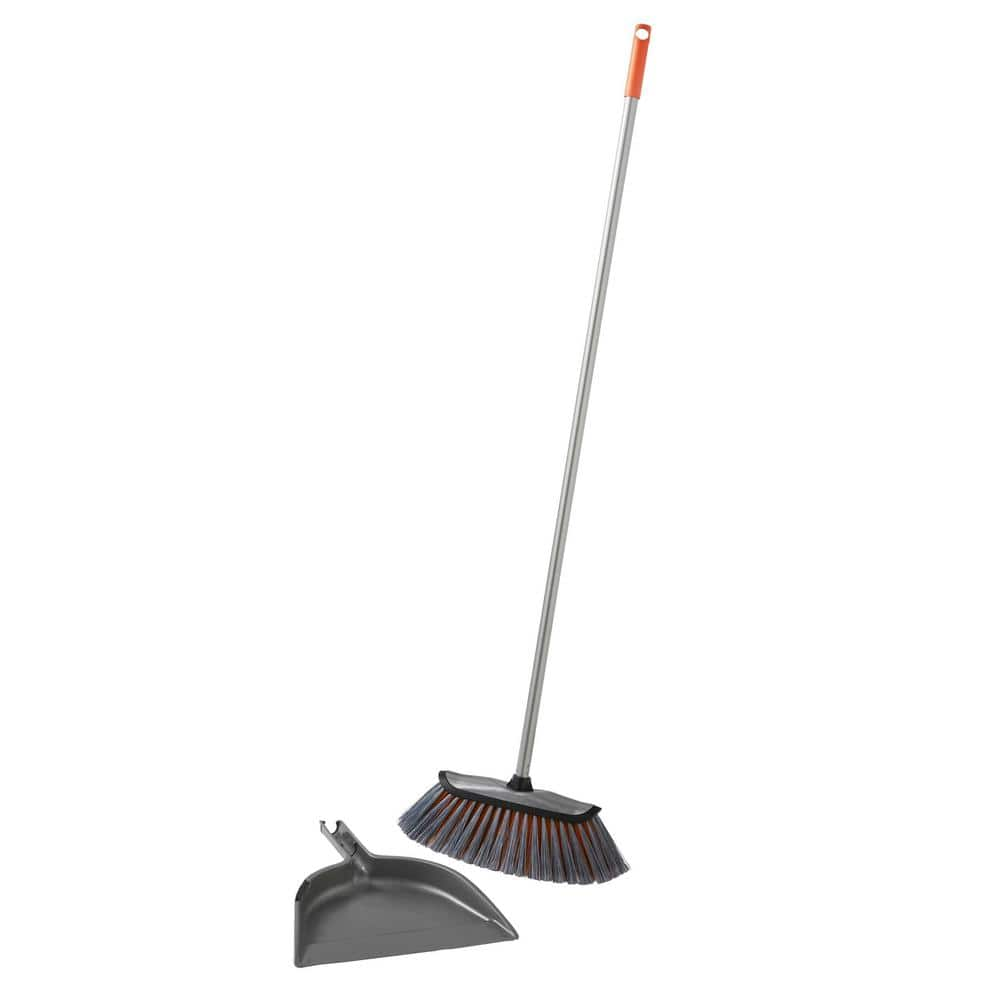
HDX Smooth Sweep Indoor Angle Broom with Dustpan 2060

O-Cedar Hardwood Floor 'N More 3-Action Microfiber Mop 170381
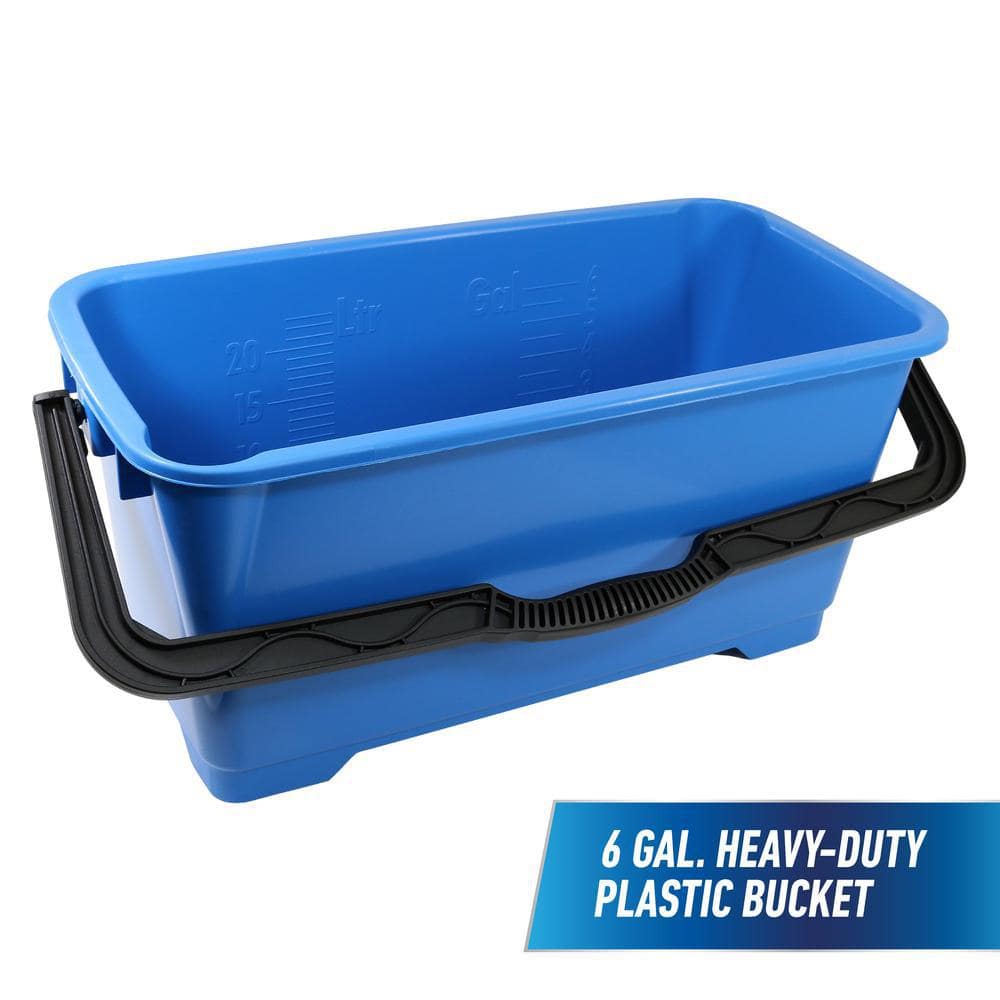
Unger 6 Gal. Heavy-Duty Plastic Bucket DB02

O-Cedar MicroTwist MAX Microfiber Wet Mop 170630
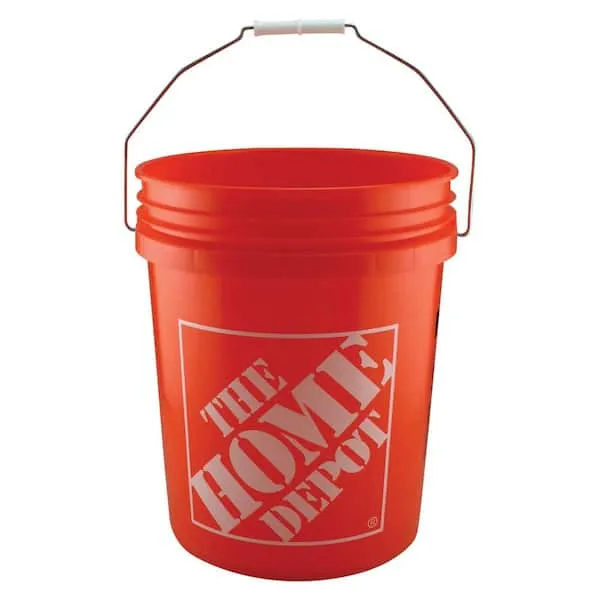
Bucket
HDX Giant 22 in. Microfiber Wet-Dry Flip Mop with 20% more Microfiber 7014XL
This Microfiber Flip Mop is a 2-In-1 Mop. The extra wide mop head makes cleaning hard floor surfaces much quicker and easier. The gray, solid, fluffy side is perfect for cleaning light dirt, dust, pet
HDX Smooth Sweep Indoor Angle Broom with Dustpan 2060
With this HDX Broom you will enjoy an effective and efficient sweeping experience with minimal labor. The smooth soft bristles are perfect for cleaning pet hair, dirt and dust from floors. Use for indoor
O-Cedar Hardwood Floor 'N More 3-Action Microfiber Mop 170381
Unger 6 Gal. Heavy-Duty Plastic Bucket DB02
The Unger 6-Gallon Heavy-Duty Professional Cleaning Bucket holds more than 6 Gal. of liquid. The bucket can accommodate a scrubber up to 14 in. L. This bucket features measurement marks and 2-pour spouts
O-Cedar MicroTwist MAX Microfiber Wet Mop 170630
Effortless mopping, one twist at a time. Designed with an integrated twist-handle for controlled wringing, the O-Cedar MicroTwist MAX Microfiber Mop keeps your floors clean and hands dry. It features absorbent microfiber strings for superior spill and particle pickup, and a buffering pad for extra cleaning power on stubborn dirt. Plus, its reusable and washable microfiber head removes over 99% of bacteria with just water.**Removes, does not kill, over 99% of E. coli and Staph. aureus from pre-finished hardwood flooring and ceramic tile using tap water, as tested at an independent accredited lab.
Bucket
Ideal for carrying or storing liquids.
Steps
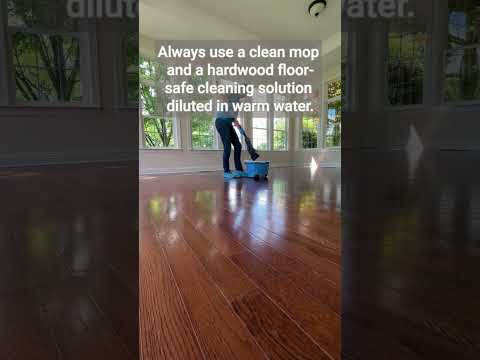
Dry Mop or Sweep
10 minutesBegin by dry mopping or sweeping the entire hardwood floor surface. This initial step is crucial for removing loose dirt, dust, pet hair, and other debris that could scratch the floor or turn into mud during wet cleaning. Ensure you get into corners and along baseboards.
Watch: Sweeping Floors
Damp Mop with Wood Floor Cleaner
20 minutesMix a pH-neutral hardwood floor cleaner with water according to the manufacturer's instructions in a bucket. Dip a mop (preferably a microfiber mop head) into the solution, wring it out thoroughly so it is only slightly damp, and then mop the floor in sections. Work with the grain of the wood. Avoid over-wetting the floor, as excess water can damage the wood and finish. For stubborn spots, you may need to go over them a second time with the damp mop.
Watch: Damp Mop the Floor
Rinse the Floor (If Necessary)
10 minutesIf your hardwood floor cleaner requires rinsing, or if you feel there is any residue left behind, fill a separate bucket with clean water. Dip your mop into the clean water, wring it out thoroughly until it is only slightly damp, and go over the floor again. This step ensures no sticky residue remains, which can attract more dirt.
Watch: Damp Mop with pH-Neutral Cleaner
Dry the Floor
15 minutesAfter damp mopping and rinsing (if performed), immediately dry the floor using clean, dry microfiber cloths or by going over it with a dry mop. This prevents water spots, streaks, and potential damage to the wood. Ensure all areas are completely dry before allowing foot traffic.
Watch: Damp Mop with Microfiber Technology
Spot Clean Stubborn Stains
10 minutesFor tough stains like ink, pet accidents, or grease, use a specialized hardwood floor spot cleaner. Apply the cleaner directly to the stain according to product directions. Gently rub the stain with a soft cloth or a specific stain removal tool, working from the outside of the stain inward. Blot up any excess cleaner and dry the area thoroughly. Always test spot cleaners in an inconspicuous area first to ensure they don't damage the finish.
Watch: Hypoallergenic Spot Cleaning Hardwood Floors
Apply Protective Polish or Refresher (Optional)
30 minutesOnce the floor is clean and completely dry, you can apply a hardwood floor polish or refresher. Choose a product designed for your specific floor finish (e.g., polyurethane, wax). Follow the manufacturer's instructions carefully, usually involving applying a thin, even layer with a microfiber mop or applicator pad. Allow the product to dry completely, usually for several hours or overnight, before allowing foot traffic. This step helps to fill minor scratches and restore luster.
Watch: Apply Hardwood Floor Polish (Optional)Common Problems
My hardwood floor looks dull, has visible water spots, or worse, planks show signs of swelling after cleaning.
Solution: If the floor looks dull or has minor water spots, re-clean a small section using significantly less cleaner and ensure immediate, thorough drying with a clean, dry microfiber cloth. For noticeable water damage like swelling, unfortunately, this is often permanent and may require professional repair or replacement of the affected planks.
Prevention: Always use a specialized hardwood floor cleaner (like ZEP Hardwood and Laminate Floor Cleaner) and follow dilution instructions carefully. Your mop head should be 'damp' — almost dry to the touch after wringing — not 'wet.' Never use a steam mop, harsh chemicals, or excessive water on hardwood. Dry the floor immediately after damp mopping.
After my floor dries, I see unsightly streaks or a hazy film all over the surface.
Solution: This problem is typically caused by using too much cleaning solution, dirty mop water, or insufficient rinsing and drying. Re-damp mop the streaky areas with clean, plain water (no cleaner) and immediately dry with a clean, dry microfiber cloth. Ensure you change your mop water frequently, especially for larger areas.
Prevention: Ensure your mop head is clean before you start. Use only the recommended amount of cleaner; more is not better. If your chosen cleaner suggests rinsing, perform it thoroughly with clean water. Always dry the floor completely as you go to prevent water from evaporating and leaving residue.
My floor feels slippery or sticky after I've finished cleaning it, posing a slip hazard.
Solution: A slippery or sticky floor indicates residue buildup, usually from too much cleaner, using the wrong type of cleaner (like an oil-based soap that leaves a film), or not rinsing properly. Mop the affected area again with plain warm water (no cleaner) and a very clean, damp microfiber mop. Dry immediately and thoroughly with a clean, dry towel. Repeat if necessary until the slipperiness is gone.
Prevention: Only use cleaners specifically designed for hardwood floors. Avoid all-purpose cleaners, oil soaps, or wax-based products. Use sparingly and always ensure proper rinsing and complete drying of the floor.
My mop head gets really dirty after just a small section of the floor, or it just seems to push dirt around instead of cleaning.
Solution: This means there's too much loose dirt and debris on the floor that the wet mop is just redistributing. Stop damp mopping and go back to the first step: dry mopping/sweeping. Thoroughly dry mop or sweep the entire floor again with a tool like the HDX Smooth Sweep Indoor Angle Broom or the HDX Giant Microfiber Wet-Dry Flip Mop to pick up all loose particles. Then, continue with damp mopping using a clean mop head and fresh water/solution.
Prevention: Always thoroughly dry mop or sweep your hardwood floors before introducing any moisture. This essential first step removes grit, dust, and pet hair that can turn into muddy streaks or scratch the finish during wet cleaning.
Stubborn spots or old stains are not coming out with regular damp mopping.
Solution: For small, stubborn spots, apply a small amount of your hardwood floor cleaner directly to a clean microfiber cloth (like the Ettore MicroSwipe Wood and Furniture Microfiber Cleaning Cloths), then gently rub the spot in the direction of the wood grain. Avoid aggressive scrubbing or abrasive materials that can damage the finish. For dried-on gum or wax, try carefully hardening it with an ice pack in a plastic bag, then gently scraping it off with a plastic scraper (like a credit card edge).
Prevention: Wipe up spills immediately. The quicker you address a spill, the less likely it is to become a set-in stain. For liquid spills, blot rather than rub to avoid spreading the stain deeper into the wood.
After applying the optional polish or refresher, the floor looks uneven, with some areas shinier or duller than others, or has visible streaks from the applicator.
Solution: If the polish is still wet, try to gently buff out the uneven areas with a clean, dry microfiber cloth or a dedicated applicator pad, moving with the grain of the wood. If it's already dried and still uneven, you may need to apply another very thin, even coat over the entire surface to blend it. In extreme cases, a specialized polish remover might be needed before reapplying.
Prevention: Ensure the floor is perfectly clean and completely dry before applying any polish or refresher. Use a clean, dedicated applicator (like the Rejuvenate Microfiber Bonnet Applicator) for polishing. Apply in very thin, even coats, working in small sections, and follow the product's instructions for drying time between coats if multiple are recommended.
Frequently Asked Questions
What type of mop is best for cleaning hardwood floors without causing damage?
For hardwood floors, a microfiber mop is ideal as it's effective for both dry sweeping and damp mopping. Tools like the HDX Giant Microfiber Wet-Dry Flip Mop or O-Cedar Hardwood Floor 'N More Mop are excellent because they pick up dirt efficiently without oversaturating the wood, which helps prevent damage.
What are the most important things to avoid when cleaning hardwood floors?
The biggest mistakes are using too much water, which can warp or dull the wood, and using harsh abrasive cleaners or steam mops. Always use a barely damp mop, never soaking wet, and stick to cleaning solutions specifically formulated for hardwood floors, such as ZEP Hardwood and Laminate Floor Cleaner.
How long does a thorough hardwood floor cleaning typically take, and is it a difficult DIY task?
Cleaning hardwood floors is considered a beginner-level DIY project. A routine clean with dry and damp mopping might take less than an hour. However, a deeper clean, including spot treatment and an optional polish, can take up to 3 hours, depending on the floor's size and condition.
My hardwood floors look dull or streaky after cleaning. What did I do wrong?
Dullness or streaks often result from using too much cleaning solution, not rinsing the floor properly (if your cleaner requires it), or not drying the floor completely. Ensure you wring your mop almost dry, use the recommended amount of ZEP Hardwood and Laminate Floor Cleaner, and always dry the floor immediately with a clean, dry microfiber cloth after damp mopping.
Can I use homemade cleaning solutions like vinegar and water on my hardwood floors?
While some use DIY solutions, it's generally recommended to use commercially formulated hardwood floor cleaners like ZEP Hardwood and Laminate Floor Cleaner. Vinegar can dull the finish over time, and other homemade mixtures might leave residues or not clean as effectively. Always test any new cleaner in an inconspicuous area first.
How often should I apply a protective polish or refresher to my hardwood floors?
Applying a protective polish or refresher is optional, but it can help restore shine and add an extra layer of protection. For high-traffic areas, you might consider applying it every few months, while less-used rooms may only need it once or twice a year. Always ensure your floors are thoroughly clean and dry before application.


