Deck Stairs
About This Project
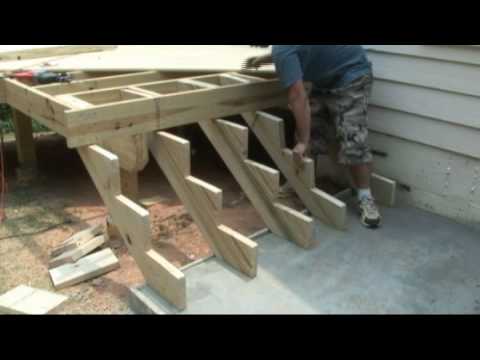
This project outlines the process of building deck stairs using pre-cut stringers. It covers site preparation, attaching the stringers to the deck, securing them to the ground, and installing treads and railings. Safety is paramount throughout the process, and it's recommended to consult local building codes and consider hiring a professional for complex steps.
Tools & Materials
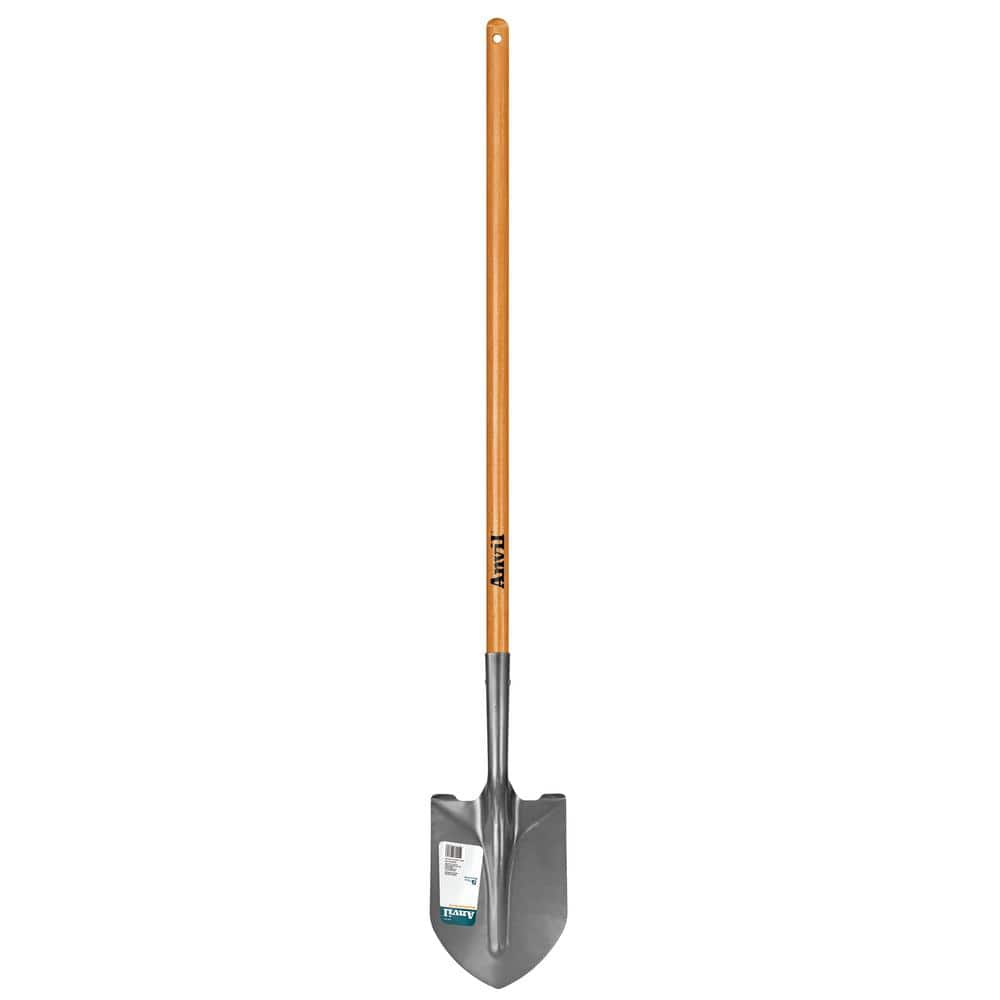
Anvil 47 in. Wood Handle Carbon Steel Digging Shovel 77470-939
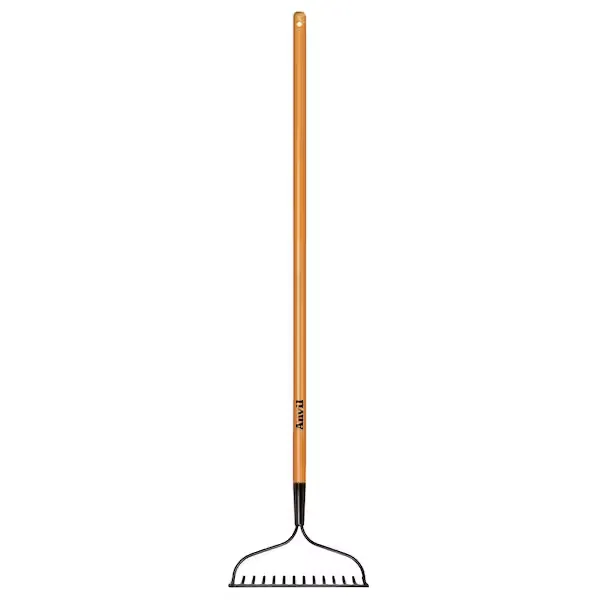
Garden Rake
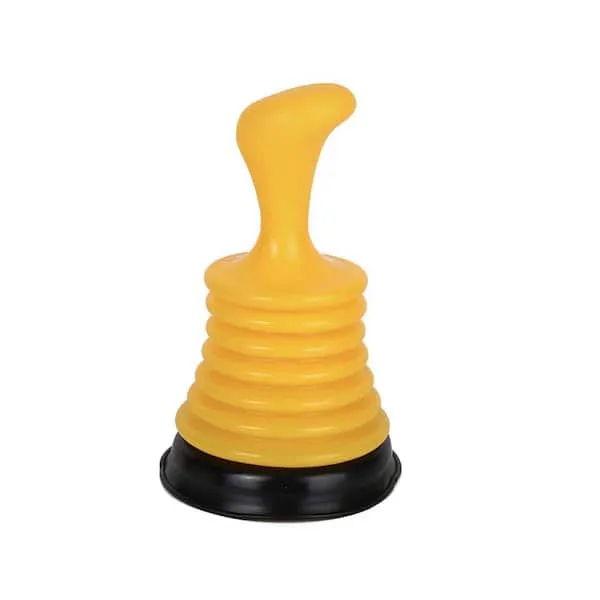
Plunger
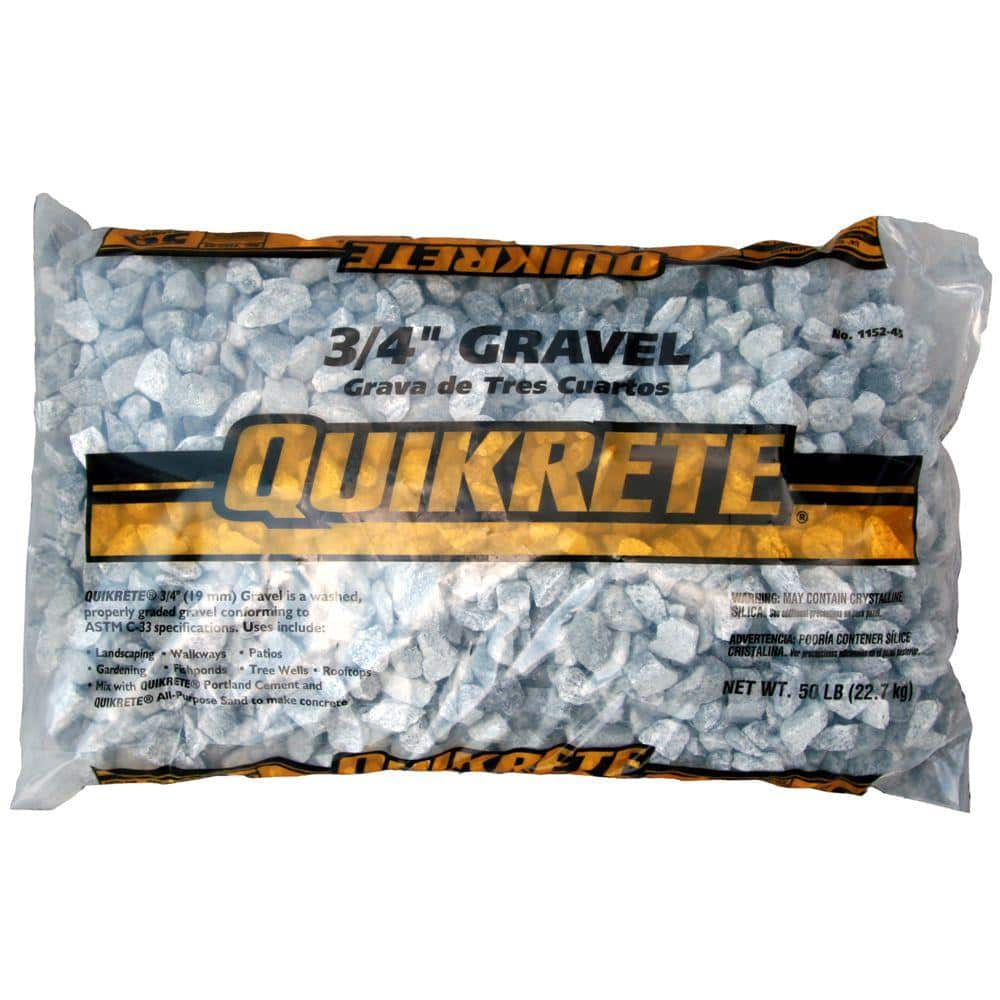
Quikrete 50 lb. 3/4 in. Gravel 115245
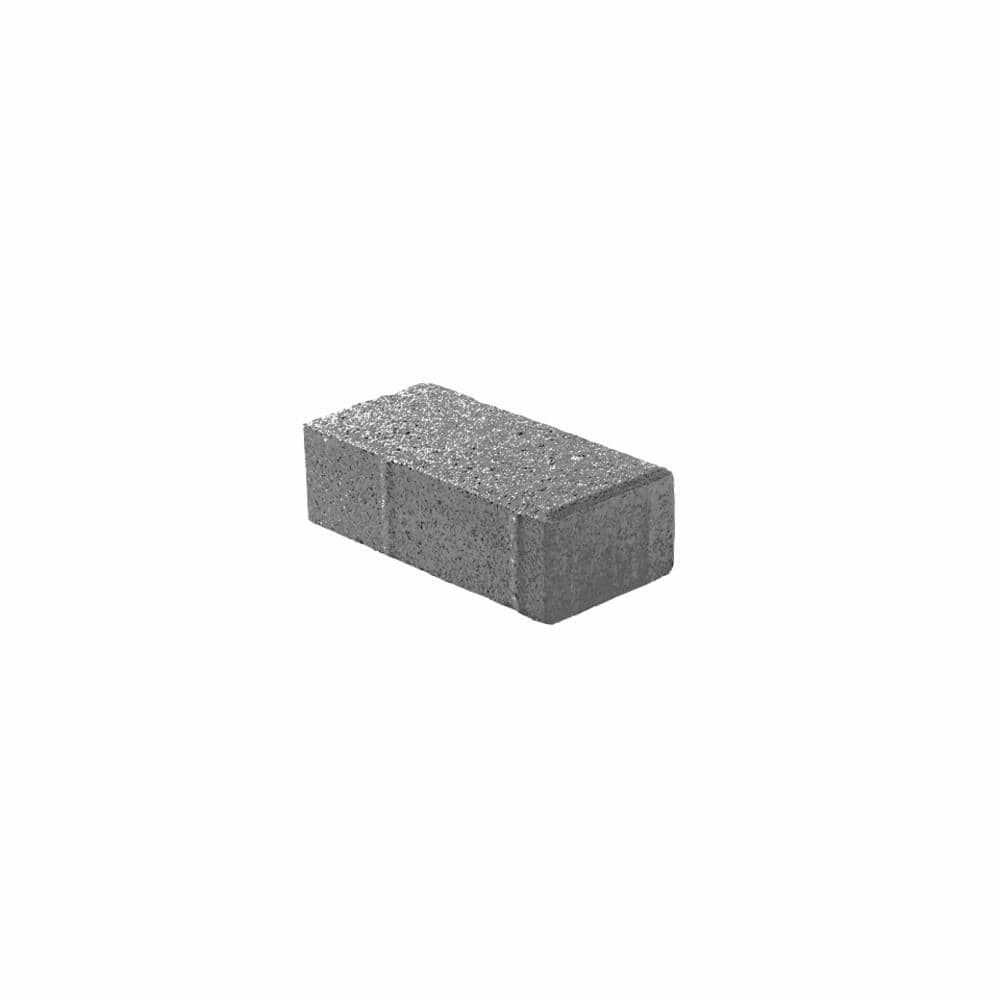
Oldcastle 8 in. x 4 in. x 2.25 in. Gray Charcoal Concrete Paver (486- Piece Pallet) 10158942
Measuring Tape
Anvil 47 in. Wood Handle Carbon Steel Digging Shovel 77470-939
Discover the Unparalleled Performance of the Anvil 47 in. Digging Shovel. Are you seeking a digging shovel that combines durability, strength, and reliable performance. Look no further than the Anvil Digging Shovel. Crafted with a laser-cut blade made of high-quality carbon steel, it effortlessly slices through soil, roots, and debris, making it an ideal tool for all your lawn and garden projects. What sets this shovel apart is the head, which is fully tempered for exceptional strength and durability. This means it can withstand the toughest digging tasks with ease and longevity. The 47 in. wood handle is not only functional but visually appealing as well, thanks to its varnished finish. This coating not only adds to its appearance but also provides protection against the elements, ensuring your shovel stays in top condition for years to come. This tool comes with a 5-year manufacturer warranty.
Garden Rake
Levels or clears soil with its pronged design.
Plunger
Clears blockages with a push.
Quikrete 50 lb. 3/4 in. Gravel 115245
Quikrete 50 lb. 3/4 in. Gravel is a perfect general use stone that can be used in a number of different applications. It is perfect for landscaping, walkways, patios or any project where gravel of this
Oldcastle 8 in. x 4 in. x 2.25 in. Gray Charcoal Concrete Paver (486- Piece Pallet) 10158942
Add a touch of style to your patio, path or driveway with the Oldcastle 4 in. x 8 in. Concrete Paver. The paver can be used to create a variety of patterns for a customized look. The dry-cast concrete
Measuring Tape
For accurate measurements of plywood and components, ensuring proper assembly.
Steps

Prepare the Stair Location
60 minutesClear vegetation, debris, and any obstacles from the ground where the base of the deck stairs will rest. Ensure the ground is level and compacted to provide a stable foundation for the stringers. If the ground is soft, consider adding a layer of gravel or concrete pavers for better support.
Watch: Prepare Stair Base and Pour Concrete Pad
Mark Stringer Placement
30 minutesMeasure and mark the desired width of your stairs on the deck ledger board where the stringers will attach. Then, transfer these measurements to the ground at the base of the deck, ensuring the marks are plumb with the ledger board marks. This ensures the stairs will be straight and evenly spaced.
Watch: Test Fit and Confirm Measurements of First Stringer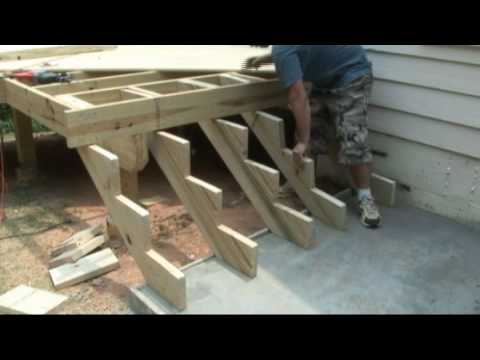
Attach Stringers to Deck
45 minutesAlign the top of each pre-cut stringer with the corresponding marks on the deck ledger board. Ensure the stringers are flush with the edge of the ledger board. Secure each stringer using appropriate fasteners, such as lag screws or structural screws, ensuring they are driven straight and are long enough to penetrate well into the ledger board and the stringer.
Watch: Attach Stringers to Deck FrameSecure Stringers to Ground
60 minutesPosition the bottom of the stringers onto the prepared ground area, aligning them with the marks made in Step 2. Ensure the stringers are plumb and securely fastened to a stable base. This can be achieved by using concrete footings, metal stringer connectors anchored to concrete, or by burying the stringers slightly if local codes permit and the ground is stable.
Watch: Securing Stringers to Landing Pad with Base Plate
Cut and Attach Risers (Optional)
90 minutesIf desired, measure and cut pieces of wood to fit vertically between each tread. These are the risers. Attach them securely to the front of each tread support on the stringer, using screws or nails. Ensure they are level and evenly spaced.
Watch: Install New Risers and TreadsInstall Treads
120 minutesPlace the first tread board onto the front of the stringers, ensuring it overhangs slightly at the front and sides as desired. Secure the tread to the stringers using deck screws, driving them through the tread and into the stringer support. Continue installing subsequent treads, ensuring they are level and evenly spaced, with a consistent overhang.
Watch: Attaching Tread Boards
Install Railings
180 minutesInstall railing posts securely to the deck ledger board or directly to the stringers using appropriate hardware and connectors. Then, attach the top and bottom rails between the posts. Finally, install balusters vertically between the top and bottom rails, ensuring they are spaced according to local building codes (typically no more than 4 inches apart).
Watch: Install Railing and Balusters
Final Inspection and Finishing Touches
60 minutesThoroughly inspect all connections, fasteners, and components to ensure they are secure and stable. Check for any sharp edges or splinters and address them. If desired, apply a protective finish such as stain, sealant, or paint to protect the wood from the elements and enhance its appearance. Ensure all safety features, like railings, meet code requirements.
Watch: Complete Trim and Final CleanupFrequently Asked Questions
What tools and materials are essential for building deck stairs using pre-cut stringers?
You will need basic tools like a measuring tape, level, drill with drill bits, shovel, and rake for site preparation. Key materials include pre-cut pressure-treated pine stair stringers, gravel and concrete mix for securing the base, appropriate exterior structural lag screws, and decking boards for the treads. The specific list provided includes items like Anvil digging shovel, OX marking pencil, Empire plumb bob, Quikrete gravel, SAKRETE concrete mix, SPAX lag screws, and Composite Decking Boards.
What are the most critical safety precautions I should take when building deck stairs?
Safety is paramount for structural projects like deck stairs. Always wear appropriate personal protective equipment, including safety glasses, gloves, and sturdy footwear. Ensure all connections are secure and stable, especially where stringers attach to the deck and ground. Always follow manufacturer's instructions for materials and power tools, and verify stability at each step.
How can I ensure my deck stairs comply with local building codes?
Compliance with local building codes is crucial for safety and legality. Before starting, consult your local building department for requirements on rise, run, width, handrails, and foundation for deck stairs. These codes vary by location and are designed to prevent structural failure and ensure safe use. Hiring a licensed professional can help navigate these complex requirements.
What common mistakes should a beginner avoid when installing pre-cut stair stringers?
A common mistake is improper site preparation, leading to unstable ground support. Ensure the ground is level, well-compacted, and has adequate drainage using gravel and pavers. Another error is not securely attaching the stringers to both the deck and the ground, which can compromise the entire structure's stability. Always double-check measurements and use a plumb bob and level for accurate placement.
What is the estimated time commitment and difficulty for this deck stair project?
This project is rated as 'beginner' difficulty with an estimated time of 3 days. However, factors like your experience level, site conditions, and adherence to local codes can extend this. Breaking the project into manageable steps and having all tools and materials ready will help keep it on schedule.
Are there alternative materials or methods for securing deck stair stringers to the ground?
While the project suggests gravel, concrete mix, and pavers, alternative methods for ground support include concrete footings or pre-cast concrete piers. The chosen method depends on local frost lines, soil conditions, and building codes. Always ensure the ground connection is robust and prevents settlement or shifting over time.