Classic Daiquiri Cocktail Recipe
About This Project
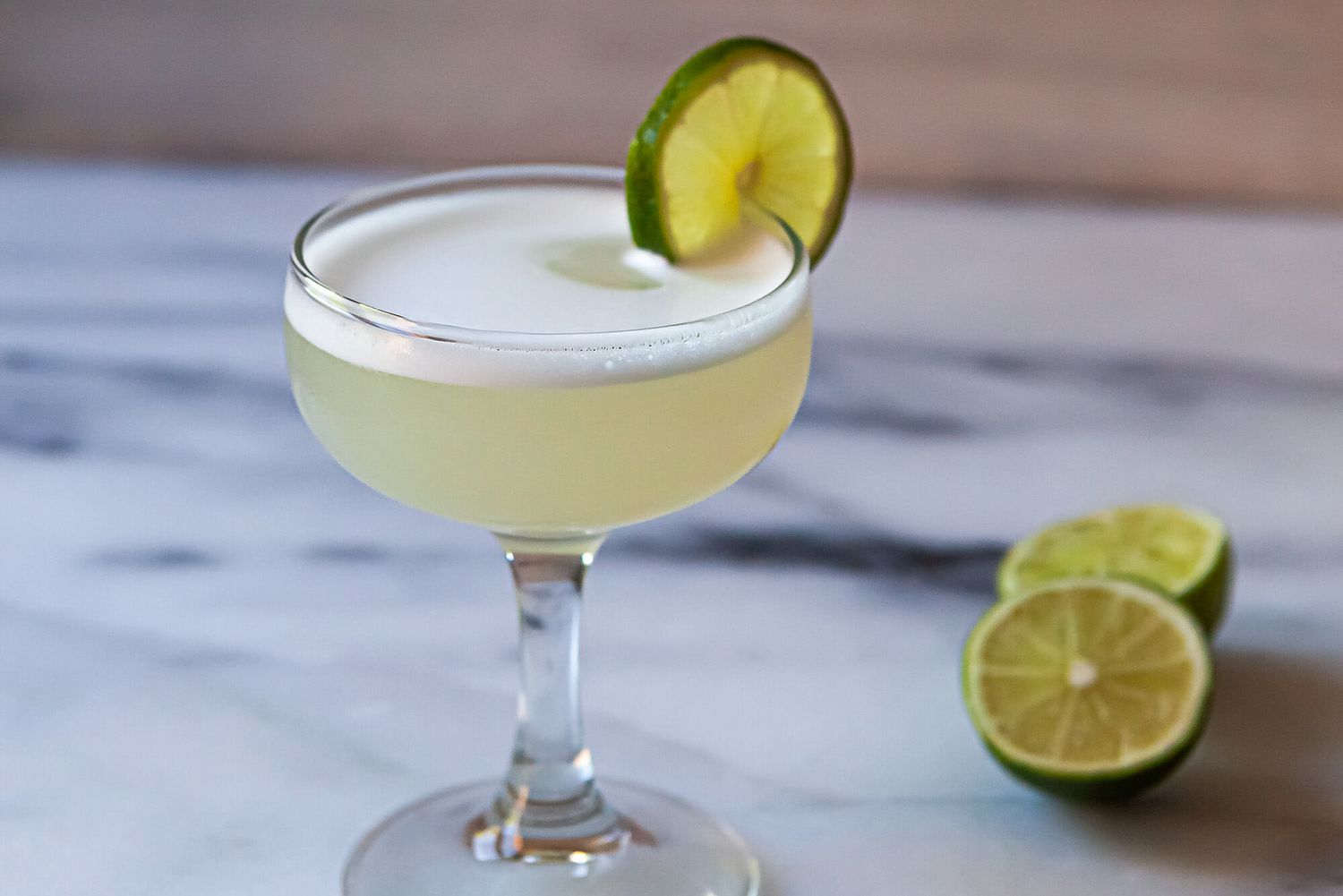
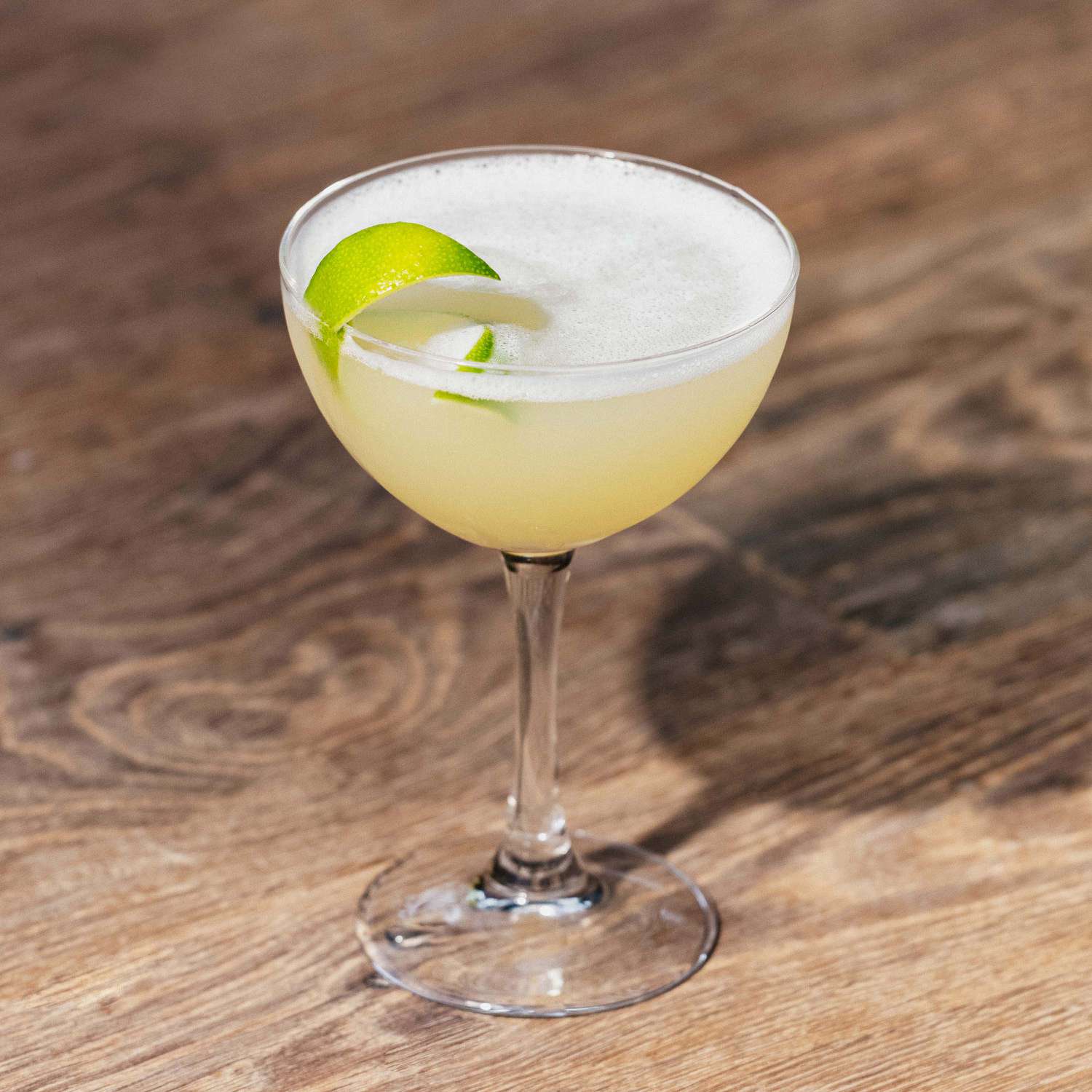
This project details how to make a classic Daiquiri cocktail. First, combine white rum, lime juice, and simple syrup in a cocktail shaker. Then, fill the shaker with ice, shake until well-chilled, and double strain into a chilled coupe glass.
Best for beginners and first-time DIYers.
Tools & Materials

Cocktail Shakers - Weighted
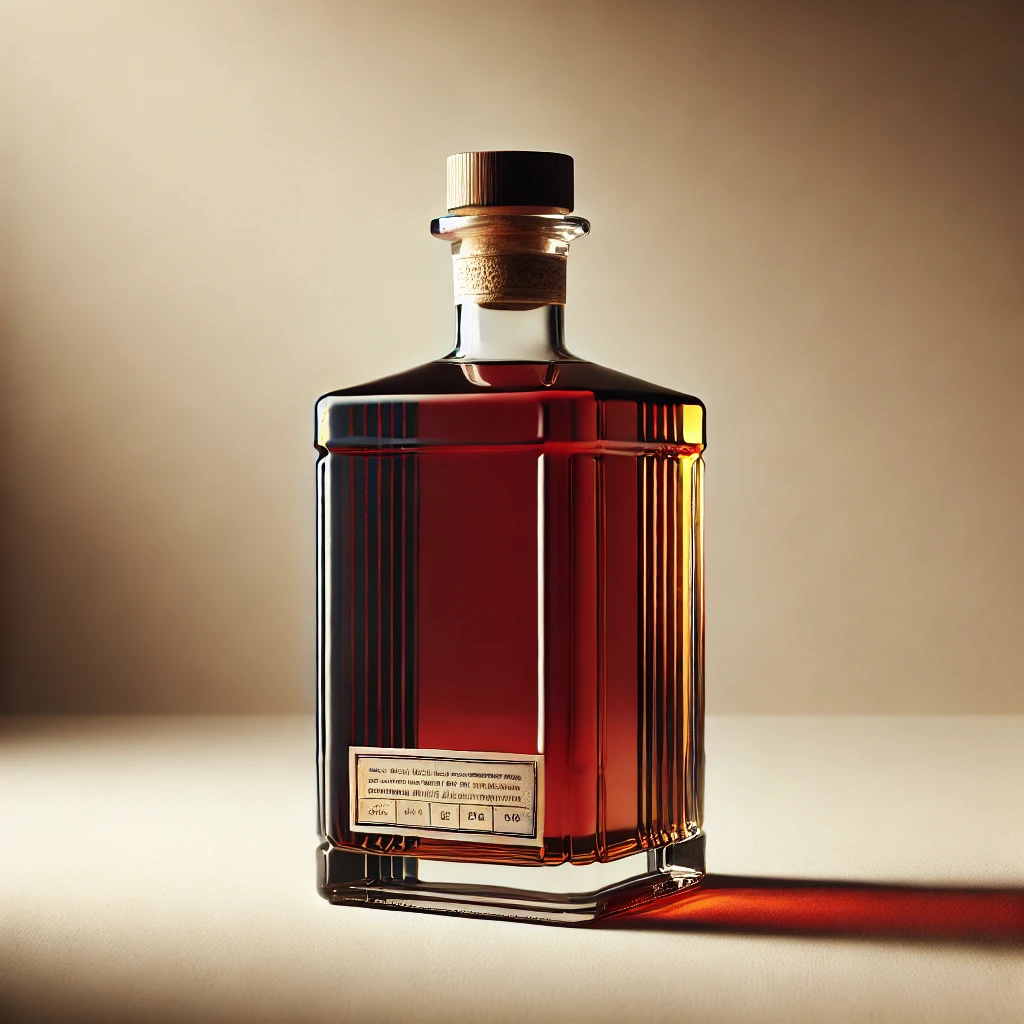
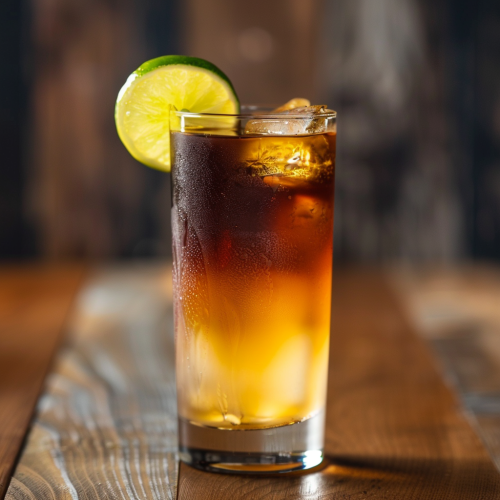
Dark rum
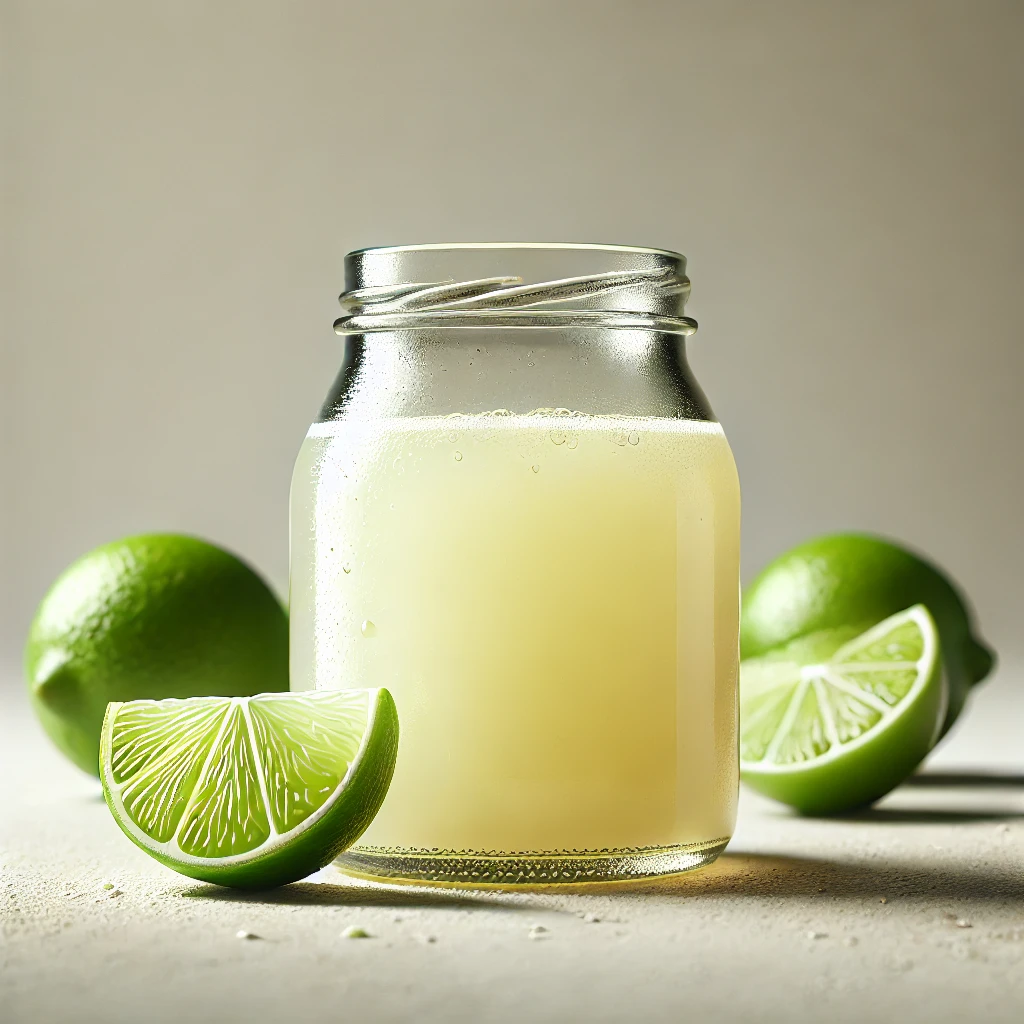
Lime juice
Simple syrup

Ice Maker for Clear Spheres

Fine Mesh Strainers
Cocktail Shakers - Weighted
<p>Bring out your inner bartender and make drinks like a pro!</p> <p><span style="font-size: 11.0pt; color: black;">Shaker tins are the flashy workhorse of any reputable bar. Ours are battle-tested and fit together like they were made for each other (because they were). This set includes one 28oz. base and one 18oz. “cheater” tin. Those weighted ends help control your shake and rhythm every step of the way.</span><span style="font-size: 11.0pt;"></span><br data-mce-fragment="1">What's unique about ours? </p> <p>-<strong>Welded Weighted Bottoms: </strong>You don't have to worry about these bottoms falling off</p> <p>-<strong>Tight Seal, Easy to Open: <meta charset="utf-8"> <span style="font-size: 11pt; font-family: Arial,sans-serif; color: #000000; background-color: transparent; font-weight: 400; font-style: normal; font-variant: normal; text-decoration: none; vertical-align: baseline; white-space: pre-wrap;" id="docs-internal-guid-02b8afee-7fff-f727-3e67-4337057d5899">Provides a perfect seal for shaking, while opening quickly & smoothly for bartending efficiency</span></strong></p> <p>-<span style="font-size: 11pt; font-family: Arial,sans-serif; color: #222222; background-color: #ffffff; font-weight: bold; font-style: normal; font-variant: normal; text-decoration: none; vertical-align: baseline; white-space: pre-wrap;" id="docs-internal-guid-e89a12de-7fff-83f5-f1cd-9bf215ba6a74">Optimally Balanced: </span><span style="font-size: 11pt; font-family: Arial, sans-serif; color: rgb(34, 34, 34); background-color: rgb(255, 255, 255); font-style: normal; font-variant: normal; text-decoration: none; vertical-align: baseline; white-space: pre-wrap;" id="docs-internal-guid-e89a12de-7fff-83f5-f1cd-9bf215ba6a74">Designed by pros for that Goldie Locks combination of</span><span style="font-size: 11pt; font-family: Arial,sans-serif; color: #222222; background-color: #ffffff; font-weight: 400; font-style: normal; font-variant: normal; text-decoration: none; vertical-align: baseline; white-space: pre-wrap;"> premium quality weight without going overboard, so you can keep shaking all night</span>.<br data-mce-fragment="1"><br data-mce-fragment="1">We carry 9 finishes. Try Brushed Silver, Copper, Gold, Gunmetal Black, Matte Black, Matte White, Antique Brass, Rainbow Chrome, and Frosted Teal<br data-mce-fragment="1"><br data-mce-fragment="1">Our silver tins our perfectly dishwasher safe, but we recommend handwashing our other tins to extend the life of those finishes.<br></p> <p class="">Want even more options? Check out our <a href="https://bullinchinapdx.com/products/solid-copper-weighted-shaker-tins" title="Solid Copper Shaker Tins" target="_blank">100% Solid Coppe</a>r and <a href="https://bullinchinapdx.com/products/solid-brass-weighted-shaker-tins" title="Solid Brass Shaker Tins" target="_blank">100% Solid Brass</a></p>
Dark rum
dark rum
Lime juice
lime juice
Simple syrup
simple syrup
Ice Maker for Clear Spheres
<p class="">Finally, an easy method for making clear ice balls! Cloudy ice is caused by ice freezing from the outside-in causing air to be trapped within the ice. The Clearsphere system uses a directional freezing method to control the direction that water freezes, pushing all the air out of the ice ball. - Makes two (2) 2.5 inch ice spheres - Molds are BPA free and dishwasher safe - Stackable - 5 piece system Includes silicone ice ball mold, insulated freezing chamber, and integrated ice ball storage box.</p> <p class=""><strong>Directions:</strong><br>1) Place plastic tub into foam box, fill with warm water to the inner fill line.<br>2) Combine two silicone molds and slowly push completely down and water overlows.<br>3) Place upright in freezer for 24-30 hours.<br>4) Remove from freezer and let it rest for 5 minutes. Peel out mold by pulling on both of handles on one of the ends. Repeat on other side.<br>5) Separate the silicone molds - serve or store for later.</p>
Fine Mesh Strainers
<p class="" style="white-space: pre-wrap;">Experience the pleasure of finely strained cocktails with our Premium Fine Mesh Strainer. Expertly crafted for cocktail enthusiasts and professional bartenders, this strainer ensures a smooth, pulp-free pour every time.</p> <p class="" style="white-space: pre-wrap;">It's an essential tool for “double straining” your drink and the last line of defense between your drink and any renegade stems, seeds, ice or other solids.</p> <p class="" style="white-space: pre-wrap;">(Also known as a conical strainer or tea strainer)</p> <p class="" style="white-space: pre-wrap;">Our version has a nice deep cone and a heavier gauge steel handle. Feel free to pour more than one drink at a time through these without the fear of an overflow.</p> <p class="" style="white-space: pre-wrap;">Available in several different finishes: Silver, Gold, Copper, Gunmetal, Rainbow Chrome and Antique Brass</p> <p class="" style="white-space: pre-wrap;">3.5 " diameter</p> <p class="" style="white-space: pre-wrap;"><strong>While our silver version is perfectly dishwasher safe, we recommend handwashing any of the other finishes to prolong the life of those coatings.</strong></p>
Steps


Common Problems
The cocktail tastes unbalanced (too sweet, too sour, or not strong enough).
Solution: If it's too sweet, add a tiny splash more fresh lime juice. If too sour, add a small amount of simple syrup. If it tastes weak or watery, try adding a little more rum (but be careful not to overdo it). For future drinks, re-evaluate your measurements.
Prevention: Always use a jigger or measuring spoon for precise measurements of rum, lime juice, and simple syrup. Taste your fresh lime juice before adding it, as limes can vary in sourness. Start with the recommended recipe proportions and adjust slightly next time based on your taste.
The cocktail is not cold enough, or it tastes watery and diluted.
Solution: If it's not cold enough, and you haven't served it yet, you can quickly add a few more fresh ice cubes to the shaker and shake for another 5-10 seconds. If it's already watery, it's difficult to fix; it's best to discard and start fresh with proper shaking technique.
Prevention: Always use plenty of fresh ice in your shaker (fill it to the top). Shake vigorously for at least 15-20 seconds, or until the outside of the shaker is frosty cold to the touch. Don't use ice that has already started melting.
Small chips of ice or bits of lime pulp are in your finished drink.
Solution: If there are only a few small pieces, it's usually not a major issue and can be consumed. If there's a lot, you can carefully re-strain the drink through a clean fine-mesh strainer into another chilled glass, but this risks further dilution.
Prevention: Always 'double strain' your cocktail. This means pouring the shaken drink first through the shaker's built-in strainer (or a Hawthorne/Julep strainer) and then simultaneously through a fine-mesh strainer held over your coupe glass. This catches all small solids.
The two halves of your cocktail shaker are stuck together after shaking, or the shaker leaks while you're shaking.
Solution: If the shaker is stuck, place it on a sturdy surface and firmly tap the seam where the two tins meet with the heel of your hand or a heavy bar spoon. Apply steady, firm taps around the seam until it loosens. If it leaks, stop shaking immediately, re-seat the smaller tin firmly into the larger one, ensuring a tight seal, and then continue.
Prevention: Ensure the tins are clean and dry before assembling. When putting the two tins together, twist the smaller tin slightly into the larger one to create a good vacuum seal. Don't overfill the shaker with liquid and ice, leave some space at the top.
Your delicate 'hand-blown' coupe glass chips or breaks, posing a cut risk.
Solution: Carefully and immediately stop what you're doing. Use a broom and dustpan (or wet paper towel) to sweep up all glass shards. Do not handle broken glass with bare hands. If you get a cut, apply pressure and clean the wound.
Prevention: Handle all glassware gently, especially delicate or hand-blown items. Avoid clanking glasses together or against hard surfaces. Do not use chipped or cracked glasses. When chilling, avoid extreme temperature changes (e.g., don't pour very hot liquid into a very cold glass, or vice-versa) which can cause thermal shock and breakage.
The drink tastes 'off' or not fresh, despite correct measurements.
Solution: The likely culprit is a low-quality or old ingredient. Taste each ingredient separately if you suspect one. There's no way to 'fix' a bad ingredient once mixed into a drink; you'll need to discard and use fresh, high-quality ingredients.
Prevention: Always use fresh-squeezed lime juice, not bottled concentrate. Make your simple syrup fresh (equal parts sugar and water, heated until sugar dissolves). Use a good quality white rum that you enjoy the taste of on its own. Store ingredients properly to maintain freshness.
Frequently Asked Questions
Why is double straining important for a Classic Daiquiri?
Double straining, using a hawthorne strainer with your shaker and then a fine mesh strainer, ensures no ice shards or fruit pulp make it into your drink. This creates a beautifully clear, smooth texture that enhances the overall drinking experience and prevents unwanted dilution as small ice pieces melt.
Can I use bottled lime juice or store-bought simple syrup?
While convenient, freshly squeezed lime juice is crucial for a vibrant, balanced Daiquiri; bottled juice often tastes flat. For simple syrup, homemade is best (equal parts sugar and hot water), but a quality store-bought version can be used. Prioritize fresh lime for the best results.
How long should I shake my Daiquiri, and how do I know it's chilled enough?
Shake vigorously for 10-15 seconds, or until the outside of your cocktail shaker is thoroughly frosted. This ensures proper chilling and ideal dilution of the ingredients, which is vital for a well-balanced and refreshing Daiquiri. Don't be afraid to shake hard!
Is this project truly "beginner" level, and what's the approximate cost per drink?
Yes, the Classic Daiquiri is an excellent beginner cocktail due to its simple formula and basic shaking technique. Once you have the tools and bottles of rum, lime, and sugar, the cost per drink is relatively low, typically between $2-$4, making it an affordable and rewarding project.
What's the best type of glass to serve a Daiquiri in?
A chilled coupe glass is the traditional and ideal choice for serving a Daiquiri. Its elegant stem keeps your hand from warming the drink, and the wide bowl allows the aromas to be enjoyed without the need for ice in the serving glass. Chilling the glass beforehand is a key step.
My Daiquiri tastes off – too sour or too sweet. How can I adjust it?
Achieving perfect balance is key. If it's too sour, add a very small amount (e.g., 1/4 ounce) more simple syrup. If too sweet, add a tiny splash more fresh lime juice. Taste as you go, and remember that small adjustments can significantly impact the flavor profile.