Concrete Step Repair
About This Project
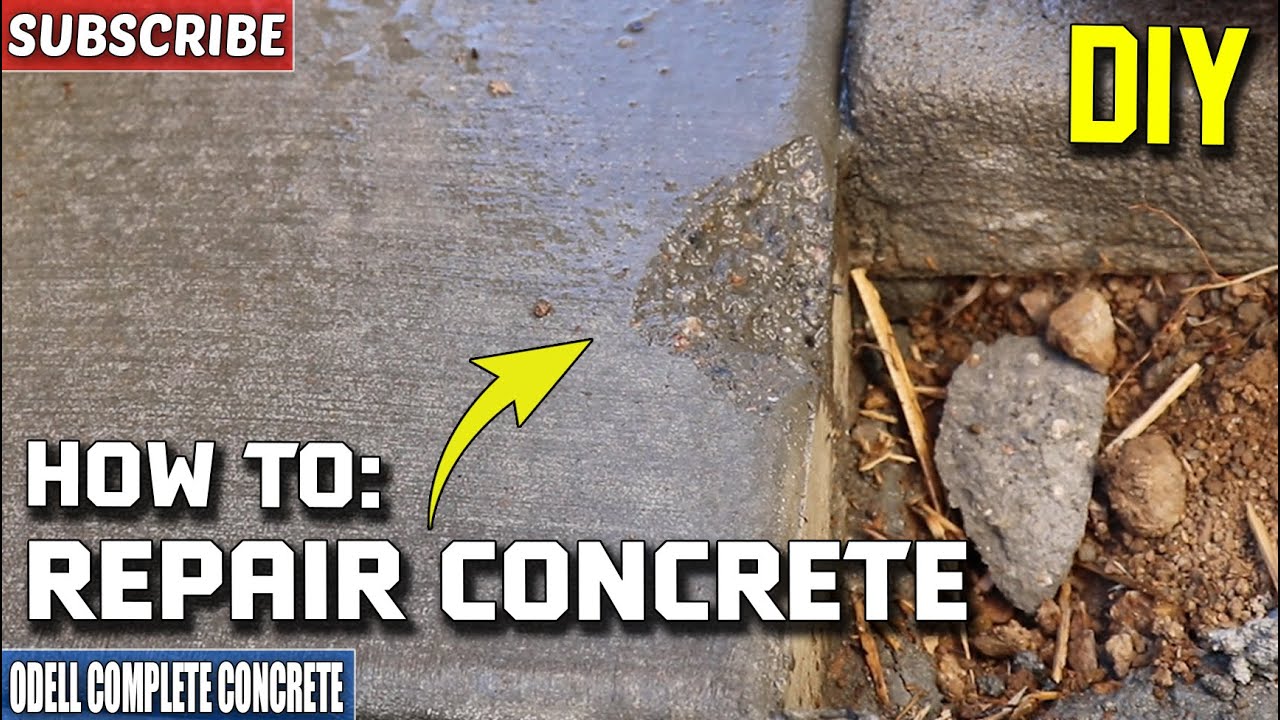
This project outlines the process for repairing cracked or chipped concrete steps using a suitable patching compound. The steps involve cleaning the damaged area, preparing it for repair, applying the patching material, and finishing the surface to match the surrounding concrete.
Tools & Materials
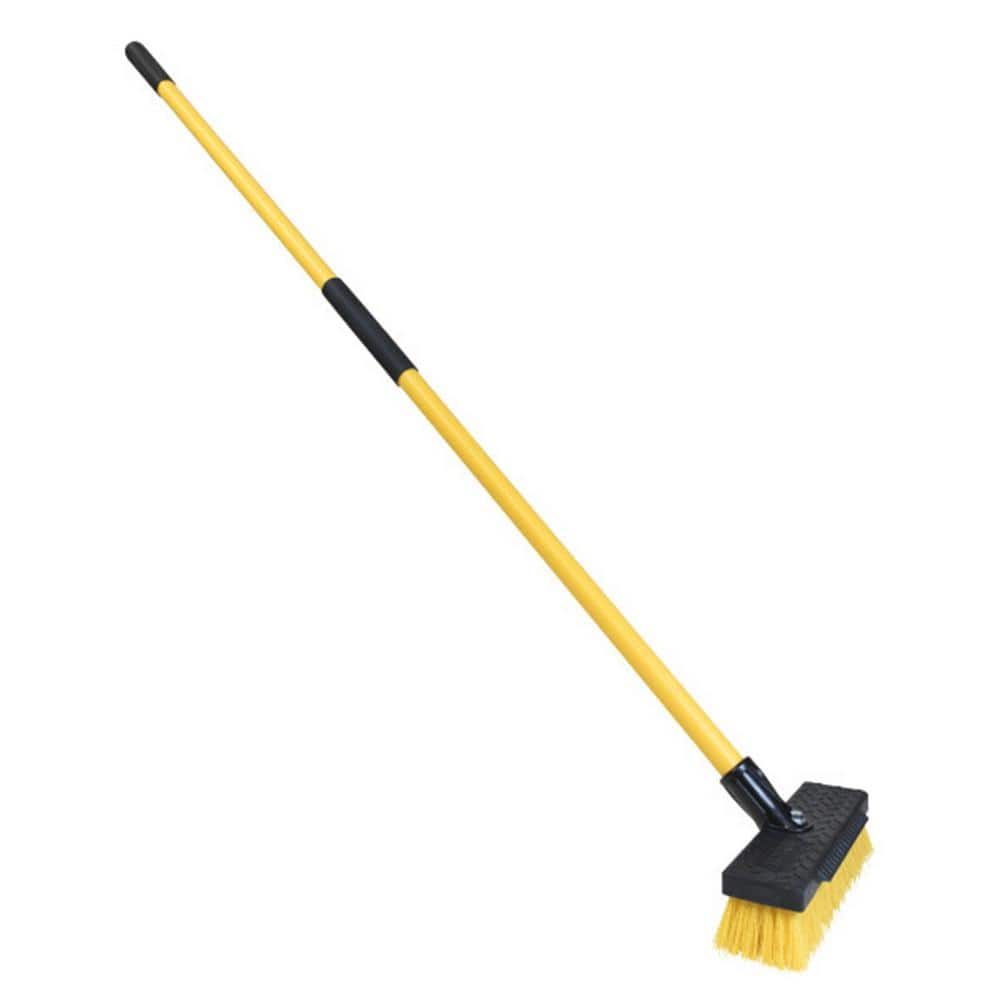
Quickie Heavy Duty Jobsite Deck Scrub Brush 266FG
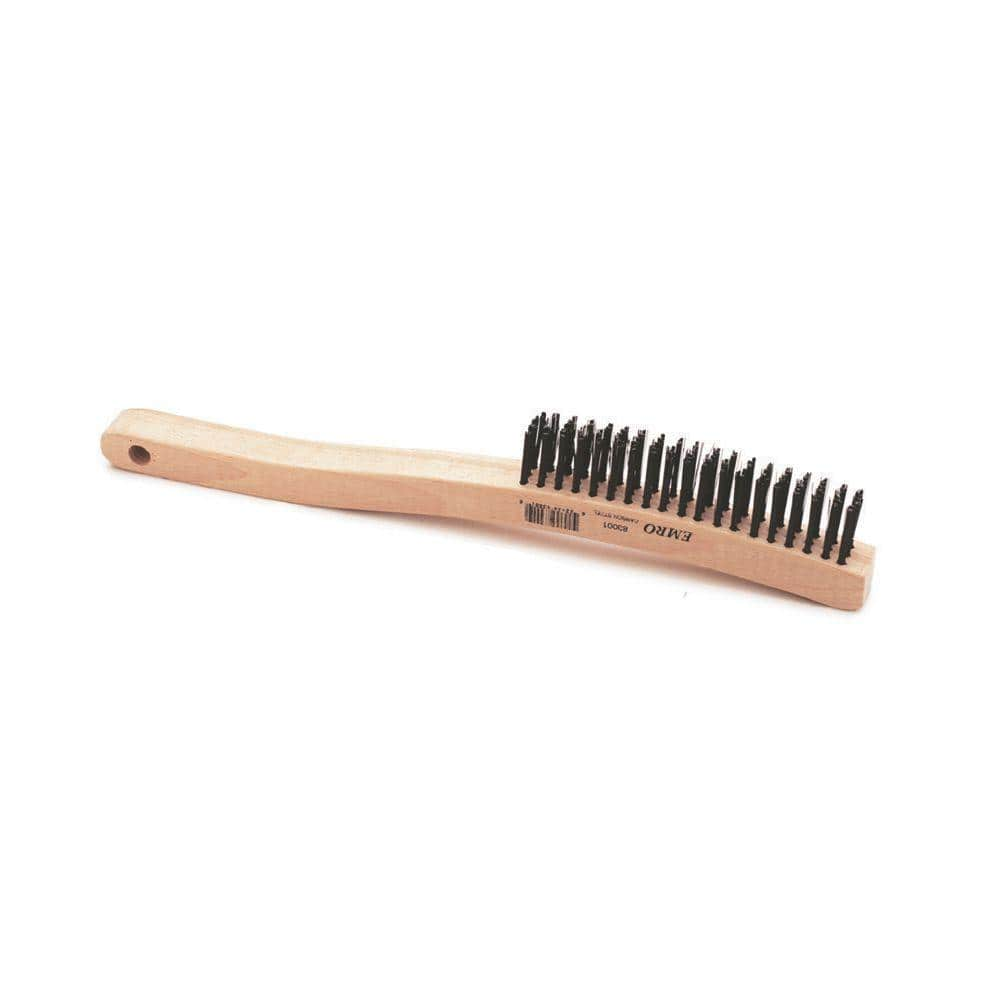
Lincoln Electric 14 in. Long Wooden Handled Carbon Steel Welding Wire Brush (.7 in. x 6.4 in. Bristle Area 3 x 19 Row) KH584
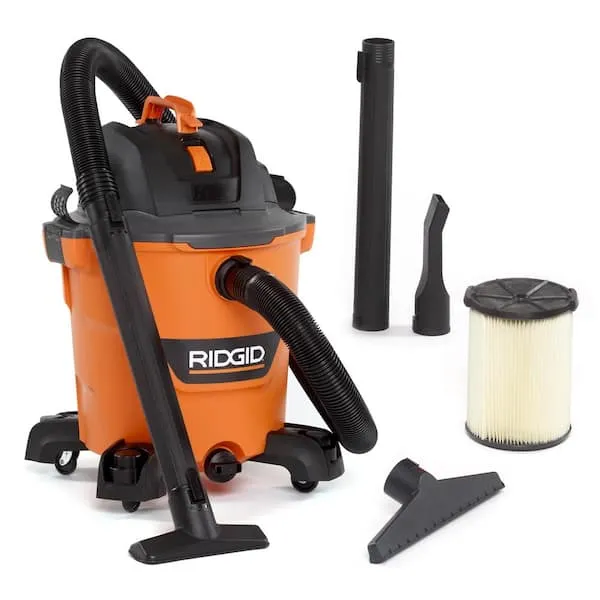
Shop Vacuum
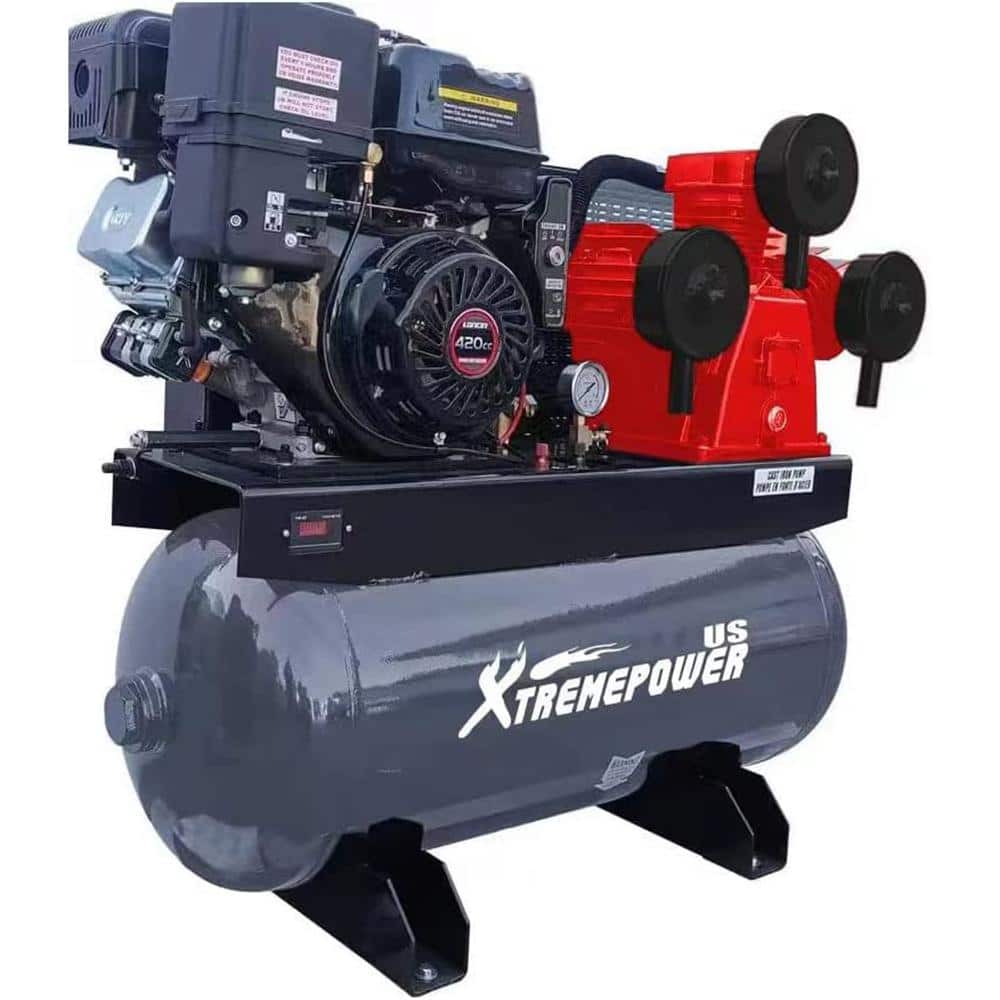
XtremepowerUS 30 Gal. 125 PSI Maximum Pressure Heavy-Duty 13HP Gas Engine Piston Air Compressor 65150-H
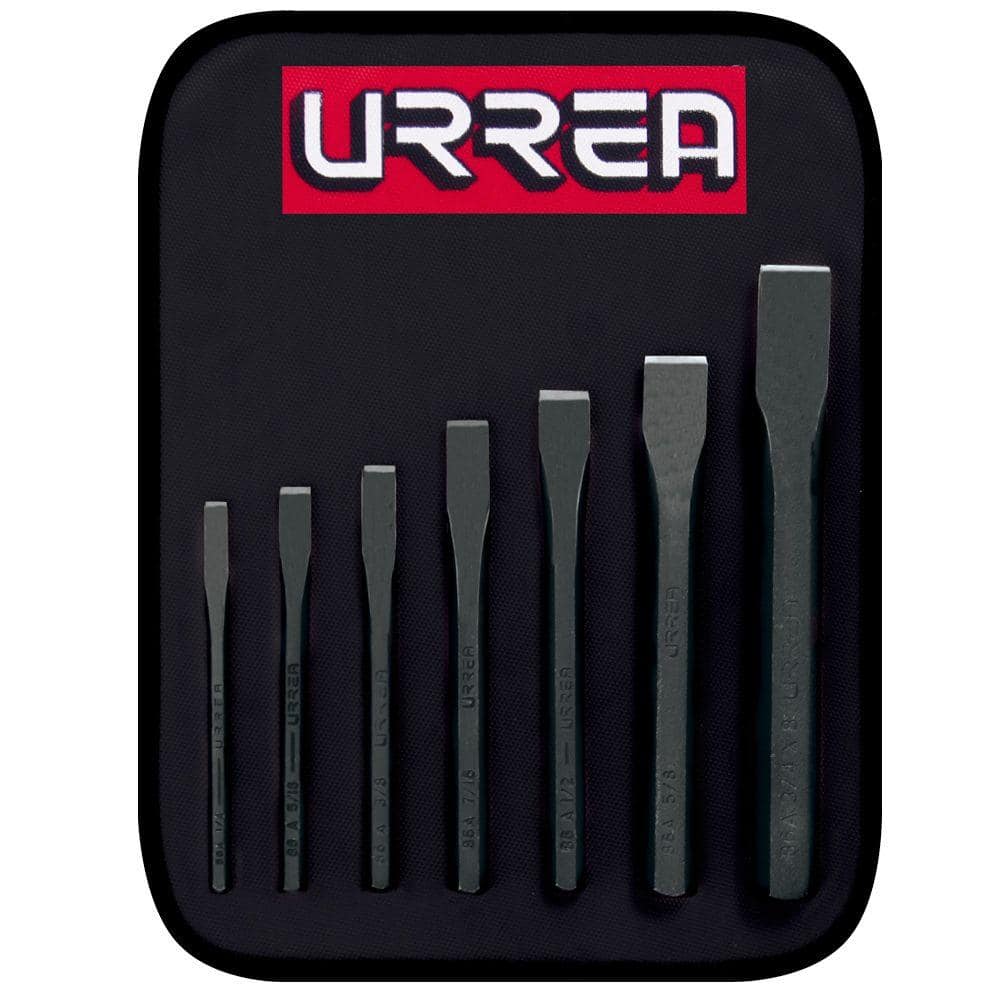
URREA 1/4 in. to 3/4 in. Chisel Set (7-Piece) 86B
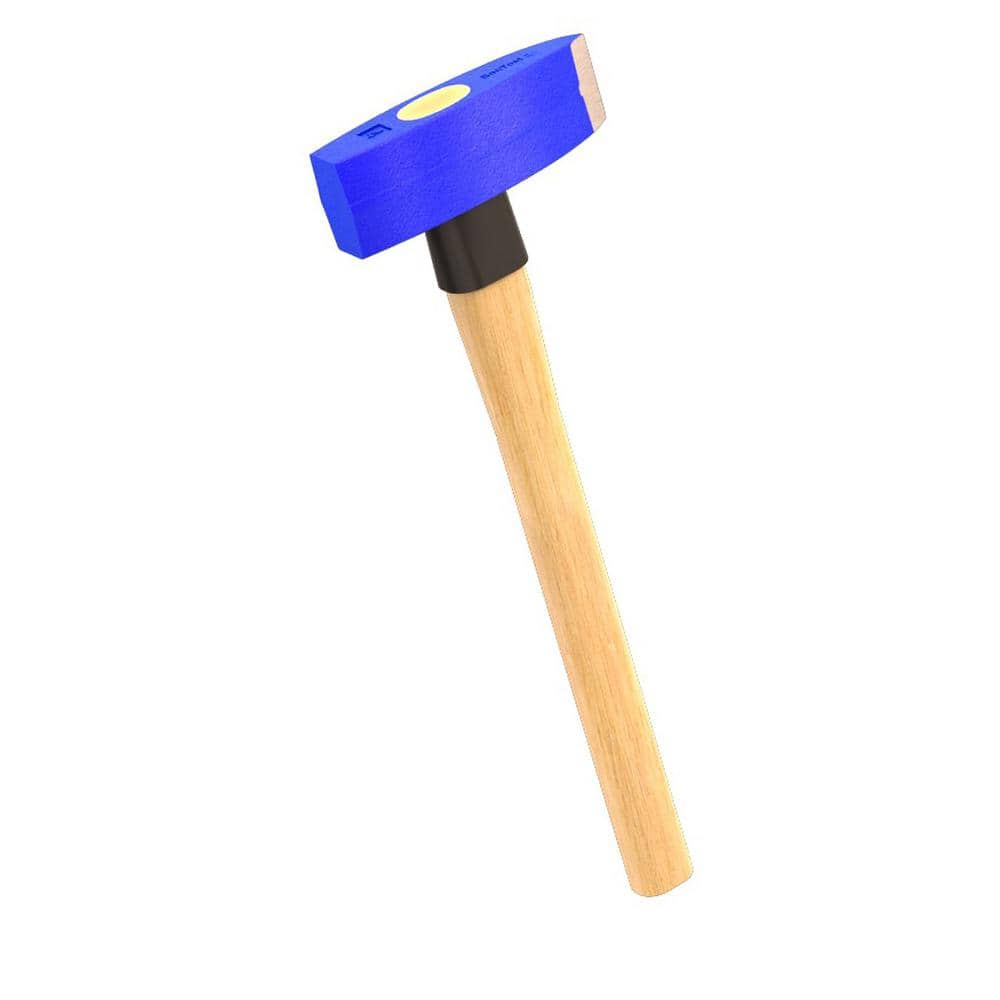
Bon Tool 4 lb. Rectangular Face Stone Mason Hammer 11-367
Quickie Heavy Duty Jobsite Deck Scrub Brush 266FG
Clean your decks, driveways and patios with the Quickie Job site Heavy-Duty Deck Brush. This brush is great for tough cleaning jobs at home or on the job site. Stiff fibers are set in a poly block.
Lincoln Electric 14 in. Long Wooden Handled Carbon Steel Welding Wire Brush (.7 in. x 6.4 in. Bristle Area 3 x 19 Row) KH584
Carbon steel long handle wire brush. An extremely heavy duty brush with hundreds of bristles imbedded in a wood handle in three rows. Tempered steel wire bristles are great for all purpose cleaning.
Shop Vacuum
Cleans workshop mess efficiently.
XtremepowerUS 30 Gal. 125 PSI Maximum Pressure Heavy-Duty 13HP Gas Engine Piston Air Compressor 65150-H
This portable gas air compressor are designed with exacting tolerance and specifications to deliver all the power that is needed at the Jobsite for extreme performance all day and every day. The Cast iron pump with Big Bore cylinder and piston is engineered to provide durability and faster recovery time for improved performance. Ideal for service trucks and contractors running multiple tools, individual removable cylinders for smoother cooler operation and easy maintenance, cast iron flywheel will large extended fins improve pump cooling and lowers RPM design.
URREA 1/4 in. to 3/4 in. Chisel Set (7-Piece) 86B
Chisels are tools specially designed for removing, cutting, or breaking materials softer than the chisel tip, such as concrete, stone, welding slag, brass, untreated steel, nuts bolts, studs, etc. They
Bon Tool 4 lb. Rectangular Face Stone Mason Hammer 11-367
The Stone Mason's Hammer features a sharp tip used for chipping off edges or small pieces of stone. The rectangular face weighs 4 pounds. The 4 pound head is set on a sturdy 16 in hickory handle, allowing
Steps

Clean the Damaged Area
30 minutesUsing a stiff brush or wire brush, scrub the damaged area to dislodge any loose concrete, dirt, or debris. For stubborn dirt or efflorescence, a pressure washer or garden hose with a strong spray can be used. After brushing, use a shop vacuum or compressed air to remove all dust and fine particles from the crack and surrounding area. Ensure the area is completely dry before proceeding.
Watch: Clean and Prepare Surface
Prepare the Patching Compound
15 minutesRead the instructions on the concrete patching compound packaging carefully. Typically, you will pour the required amount of compound into a mixing container and gradually add water or a liquid bonding agent, mixing thoroughly with a trowel or mixing stick until it reaches a thick, paste-like consistency similar to peanut butter. Avoid mixing more than you can use within the product's working time.
Watch: Mix Patching Cement
Apply the Patching Compound
45 minutesUsing a trowel or putty knife, scoop a portion of the mixed patching compound and press it firmly into the crack or chip. Work the compound into all voids and ensure it makes good contact with the underlying concrete. Overfill slightly to allow for shrinkage and easier feathering.
Watch: Apply the Concrete Patcher
Smooth and Finish the Surface
20 minutesOnce the patching compound has begun to set but is still workable, use a clean trowel to smooth the surface, striking off any excess material and feathering the edges into the surrounding concrete. For texture, you can use a stiff brush, a broom, or a concrete finishing brush to mimic the existing surface texture. This may involve light stippling or sweeping motions.
Watch: Broom Finish and CureCure the Patch
168 minutesOnce finished, the patched area needs to cure properly to achieve its maximum strength. Keep foot traffic and other loads off the repaired step for at least 24-48 hours, or as specified by the patching compound manufacturer. Protect the patch from direct sunlight, extreme heat, freezing temperatures, and heavy rain during the curing period. Lightly misting the patch with water periodically for the first 24-72 hours can aid in curing, especially in hot, dry conditions (follow product instructions).
Watch: Sponge and Cure PatchFrequently Asked Questions
Can I use any concrete patch material, or is the Quikrete Vinyl Concrete Patch specific for this project?
For repairing cracked or chipped concrete steps, a vinyl-modified concrete patch like Quikrete's is recommended. This type of material offers superior adhesion, flexibility, and resistance to cracking, which is crucial for high-traffic areas and outdoor exposure. Generic concrete mixes may not bond as effectively or provide the same long-term durability.
How thoroughly do I really need to clean and prepare the old concrete before patching?
Thorough cleaning and preparation are the most critical steps for a successful and lasting concrete repair. Any loose debris, dirt, oil, or existing failing concrete will prevent the new patch from adhering properly, causing it to crack or delaminate prematurely. Use a pressure washer, wire brush, chisel, and shop vacuum to ensure the surface is clean, sound, and slightly roughened for best adhesion.
Do I really need an air compressor and a pressure washer for this beginner project?
While a pressure washer and air compressor are excellent for thoroughly cleaning and preparing larger repair areas, they might be overkill for small, localized chips or cracks. For smaller repairs, a stiff wire brush, chisel, hammer, and a shop vacuum can often provide sufficient cleaning and surface preparation. Use a hose with a high-pressure nozzle if a pressure washer isn't available.
Why is curing important for concrete patch repair, and how do I do it correctly?
Proper curing is essential for the concrete patch to achieve its maximum strength, hardness, and durability, preventing it from drying out too quickly and cracking. Keep the repaired area continuously damp for at least 24-48 hours by covering it with the provided plastic tarp and lightly misting it with water periodically. This allows the patching compound to hydrate slowly and properly.
What are the most common mistakes beginners make when repairing concrete steps?
Common mistakes include inadequate surface preparation, which leads to poor adhesion and premature failure, and improper mixing of the patching compound. Another frequent error is applying the patch too thickly in one layer, which can cause shrinkage cracks as it dries. Always follow the product's mixing instructions precisely and apply in thin layers if needed.
What safety precautions should I take when working with concrete patching materials and tools?
Always wear appropriate personal protective equipment, including safety glasses to protect from flying debris, gloves to prevent skin irritation from concrete, and a dust mask to avoid inhaling concrete dust. When using power tools like a pressure washer or air compressor, ensure stable footing and be mindful of high-pressure streams or flying particles. Handle chisels and hammers with care to prevent hand injuries.
When is a concrete step repair project too big or complex for a DIY beginner?
If your concrete steps show extensive structural damage, such as large crumbling sections, significant deep cracks affecting the entire step, or noticeable settling/movement, it's best to consult a licensed professional. DIY repair is suitable for minor chips, surface spalling, and small, non-structural cracks, but structural integrity issues require expert assessment for safety.