
Clear a Clogged Kitchen Sink: Quick & Easy Guide - Stesso
About This Project
<p>Learn how to get your kitchen sink draining smoothly again. This guide will help you unclog your kitchen sink in no time.</p>
Best for advanced DIYers and professionals.
Tools & Materials
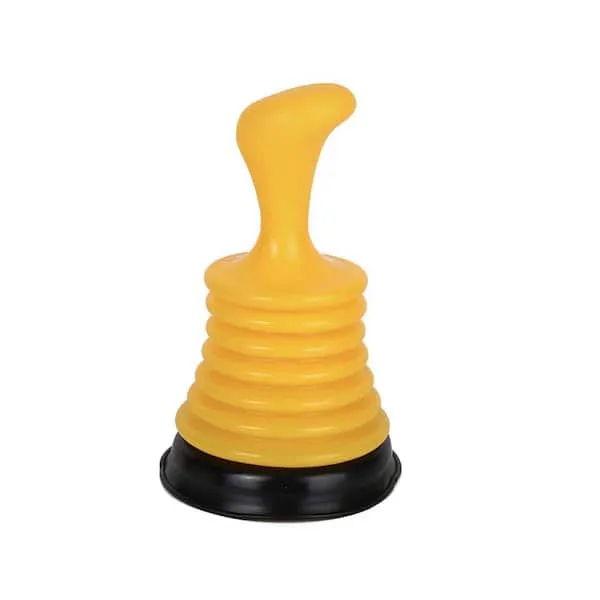
Plunger
Half Gallon of Water

Baking Soda
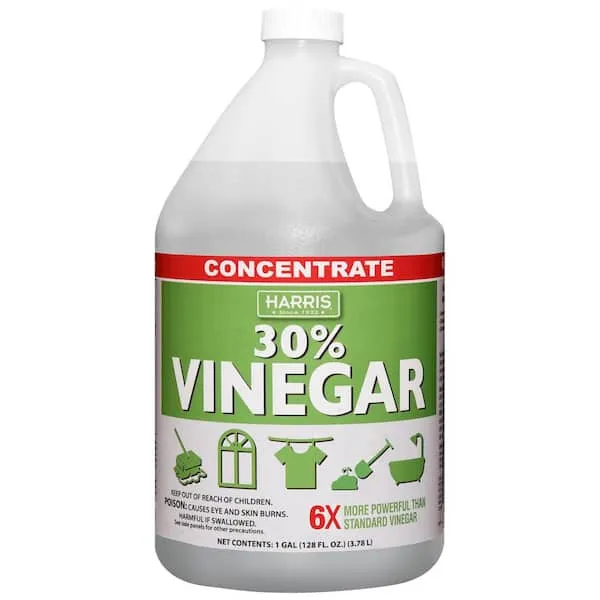
Vinegar
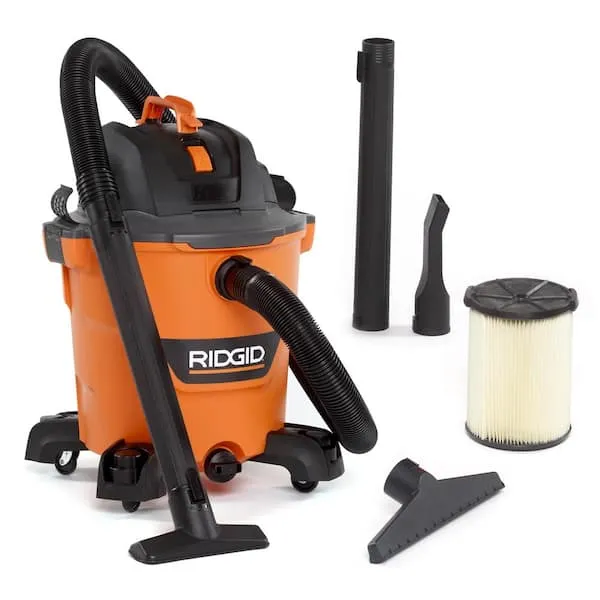
Wet-Dry Vacuum
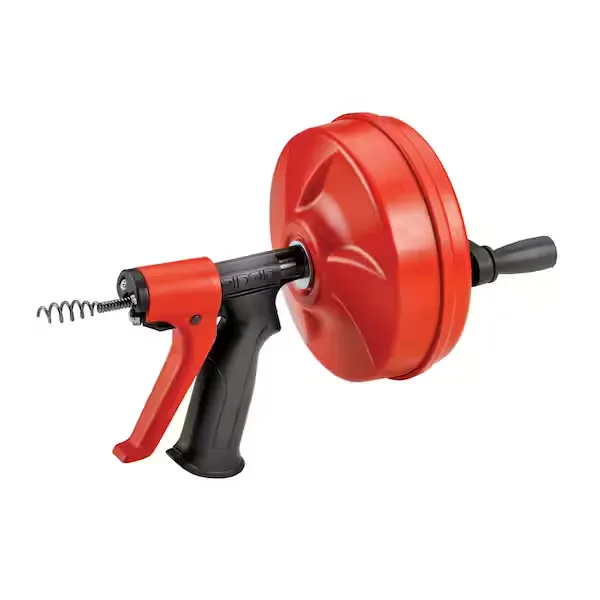
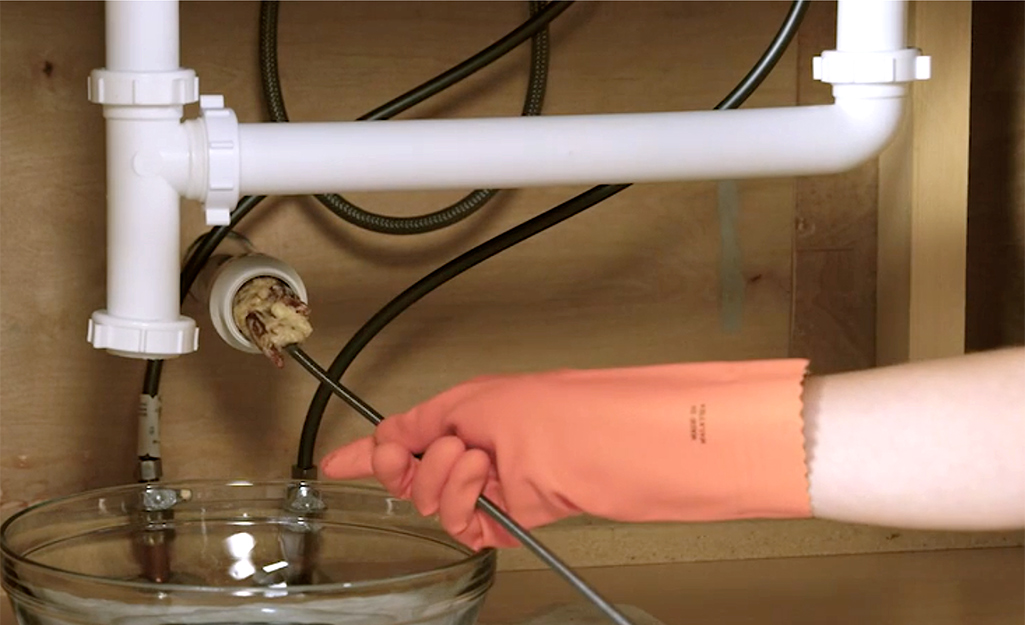
Auger
Plunger
Clears blockages with a push.
Half Gallon of Water
Essential for life and countless tasks.
Baking Soda
Natural cleaner and deodorizer.
Vinegar
Natural cleaner and culinary ingredient.
Wet-Dry Vacuum
Handles both wet and dry messes.
Auger
Clears smaller drain lines effortlessly.
Steps
Common Problems
Safety concern: Be careful when using a wet-dry vacuum on a sink.
Solution: Take proper safety precautions. Be careful when using a wet-dry vacuum on a sink.
Prevention: Always follow safety guidelines before starting the project.
Frequently Asked Questions
What specific tools and materials will I need to clear a kitchen sink clog, and are there any common household substitutes?
You'll primarily need a plunger, an auger (snake), and potentially a wet-dry vacuum for tough clogs. For materials, keep baking soda, vinegar, and a half gallon of hot water on hand. While there aren't direct tool substitutes for an auger, hot water and the baking soda/vinegar mixture are excellent initial, low-cost options before buying specialized tools.
What safety precautions should I take before attempting to clear a clogged kitchen sink?
Always wear gloves and eye protection, especially when working with hot water or if you suspect chemical drain cleaner was previously used. Be extremely careful when handling boiling water to avoid burns, and ensure the area is well-ventilated if opening pipes. If you need to disassemble pipes, have a bucket ready to catch any wastewater.
How much time should I set aside for this project, and is it suitable for a beginner DIYer?
Clearing a kitchen sink clog typically takes about 1 hour, though simpler clogs might be resolved in 15-30 minutes. Most steps are beginner-friendly, starting with easy methods like boiling water and baking soda. Using an auger on the trap or main pipe is more advanced but manageable with careful attention to the instructions.
My sink isn't draining after trying boiling water and the baking soda mixture. What's the next step?
If boiling water and baking soda don't work, ensure your garbage disposal isn't the issue by inspecting and resetting it first. Then, try using a kitchen plunger firmly and correctly. For more stubborn clogs, you'll likely need to move on to using an auger, starting with the P-trap or main wall pipe, or even a wet-dry vacuum.
What are the best ways to prevent my kitchen sink from getting clogged again in the future?
To prevent future clogs, always scrape food scraps into the trash before rinsing dishes. Absolutely avoid pouring grease or coffee grounds down the drain, and periodically flush your drain with hot water or a baking soda/vinegar mixture as a maintenance step. Installing a good sink strainer can also catch debris before it enters the pipes.
How does the garbage disposal factor into a clogged kitchen sink, and what should I check first if I have one?
If you have a garbage disposal, it's crucial to check it first, as it's a very common source of clogs. Ensure it's plugged in, then look for the small red reset button underneath and press it. If that doesn't work, turn off the power, and try rotating the blades manually from the bottom center hole with an Allen wrench to free any jammed food.