Childproof Stair Banister
About This Project
This project involves securing a stair banister to prevent a child from passing through gaps and installing a baby gate at the top of the stairs to create a safe environment.
Tools & Materials
Measuring Tape
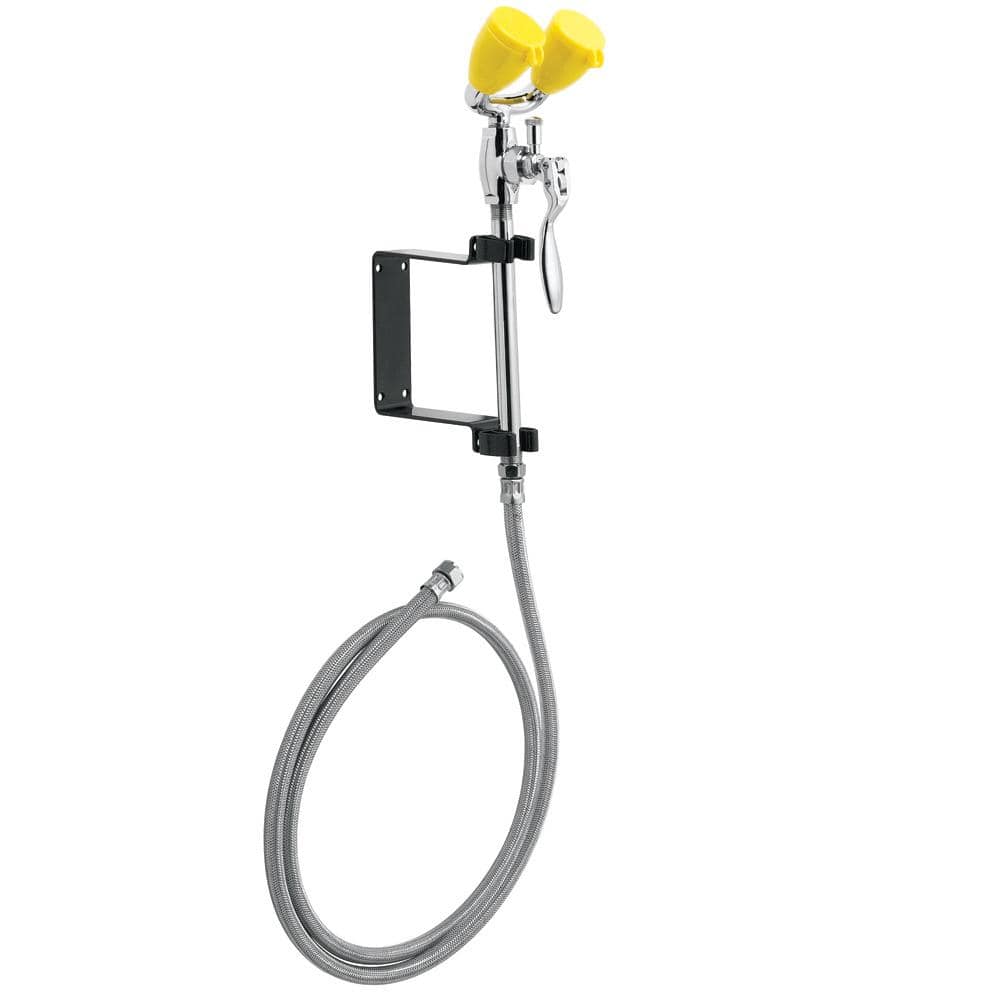
Speakman Eyesaver Service Sink Emergency Eyewash Attachment SEF-9200
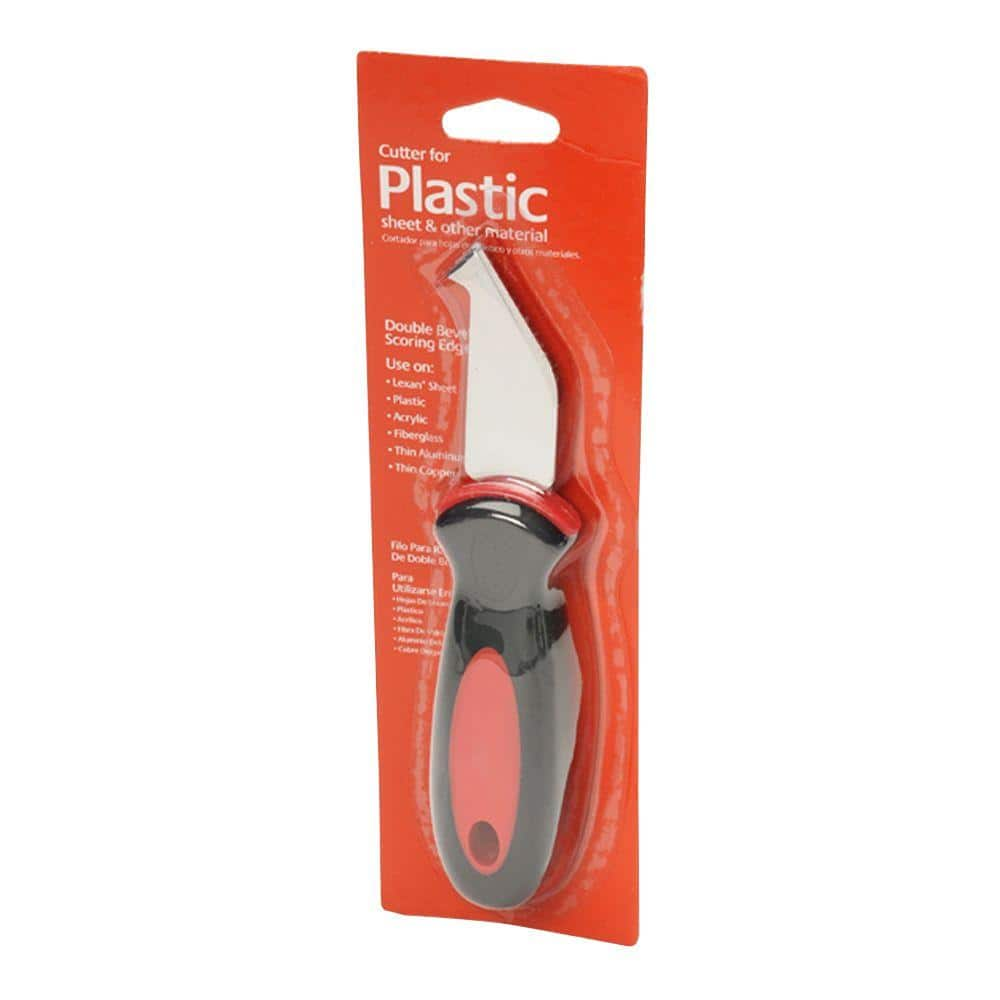
Utility Knife Plastic Sheet Cutting Tool GE-41

Sandpaper

Ekena Millwork Pomeroy 0.125 in. T x 0.33 ft. W x 4 ft. L White Acrylic Decorative Wall Paneling 12-Pack SWA47X0125POMWH
Drill Bits
Measuring Tape
For accurate measurements of plywood and components, ensuring proper assembly.
Speakman Eyesaver Service Sink Emergency Eyewash Attachment SEF-9200
Speakman Eyesaver combination eyewashes and service sink faucet are a revolutionary exclusive Speakman product with a unique design that combines a eyewash/drench hose and a Speakman service sink faucet.
Utility Knife Plastic Sheet Cutting Tool GE-41
The plastic sheet cutting knife is designed for use on LEXAN polycarbonate sheets and other plastic materials. It features a double-bevel scoring edge for clean, consistent cuts and a rounded handle that
Sandpaper
Refines surfaces to perfection.
Ekena Millwork Pomeroy 0.125 in. T x 0.33 ft. W x 4 ft. L White Acrylic Decorative Wall Paneling 12-Pack SWA47X0125POMWH
Discover the simplicity of tranformation with acrylic slat walls. These panels are very easy to install with the application of common adhesive, and can be adjusted horizontally or vertically to you fit
Drill Bits
Various sizes for different drilling tasks, including making holes for screws and latches.
Steps

Measure Banister Gaps
30 minutesUsing a tape measure, carefully measure the width of each gap between the vertical spindles of your banister, as well as any gaps between the spindles and the top handrail. Record these measurements to identify the largest gap, which will dictate the size of the material you'll need to purchase to ensure no child can fit through. Also, measure the total length of the banister that needs to be covered.
Watch: Measure the Opening
Select and Cut Barrier Material
60 minutesSelect a material that is sturdy and difficult for a child to break or chew through, such as clear acrylic sheeting, strong plastic mesh, or sturdy wood panels. Based on the largest gap measurement from the previous step, cut the material to the appropriate width to cover all gaps. If using panels, cut them to the length of the banister section needing coverage. Ensure edges are smooth.
Watch: Prepare Mounting BoardsInstall Banister Barrier
90 minutesAttach the cut material to the banister. If using acrylic or wood panels, you can drill pilot holes and use screws or specialized banister mounting brackets. For mesh or plastic sheeting, use heavy-duty zip ties, strong adhesive hooks, or U-nails, ensuring they are securely fastened and cannot be easily pulled off by a child. Work from top to bottom, ensuring a snug fit against the banister spindles and top rail.
Watch: Secure Mounting Boards to Banister PostsInstall Baby Gate Hardware
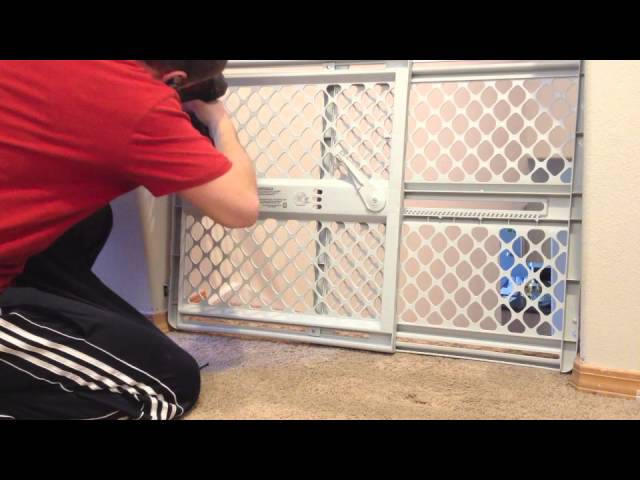
60 minutesRead the baby gate manufacturer's instructions carefully. Typically, this involves mounting brackets or posts to the wall and/or banister post at the top of the stairs. Ensure the mounting points are structurally sound. Use a level to ensure the hardware is installed straight. Mark the screw hole locations, drill pilot holes if necessary, and securely fasten the hardware.
Watch: Install Wall-Mount Baby Gate
Attach Baby Gate
30 minutesFollowing the manufacturer's instructions, assemble the baby gate if necessary. Then, attach the gate to the previously installed hardware. Ensure the gate latches securely and operates smoothly. Test the gate by opening and closing it several times to confirm it functions correctly and provides a secure barrier.
Watch: Final Assembly and Testing
Final Safety Check
15 minutesInspect the entire length of the banister barrier to ensure there are no gaps large enough for a child to fit through. Check that all fasteners are secure and that the material is stable and cannot be easily dislodged. Test the baby gate by applying moderate pressure to ensure it is firmly in place and the latch is secure. Ensure there are no sharp edges or potential hazards created during installation.
Watch: Ensure the gate is functioning properlyFrequently Asked Questions
What essential tools and materials are needed for this childproofing project?
You'll need a measuring tape, drill with drill bits, screwdriver, and a utility knife for cutting the barrier material like the Ekena Millwork acrylic panels. For materials, gather the specified acrylic paneling, the TODDLEROO BY NORTH STATES baby gate, and appropriate mounting hardware such as the Barrette Outdoor Living stair bracket kit or a French Cleat for custom installations.
What are the most important safety precautions to take when childproofing a stair banister?
The most crucial safety precaution is to always use a hardware-mounted baby gate at the top of stairs, never a pressure-mounted one, and ensure it's securely fastened into studs or a robust banister post. Additionally, ensure the banister barrier is installed without any gaps larger than 2-3/8 inches to prevent a child from slipping through or getting stuck. Always wear safety glasses when cutting or drilling.
How can I ensure the banister barrier is completely secure and doesn't leave any dangerous gaps?
Measure your banister gaps precisely and cut the Ekena Millwork acrylic panels to fit snugly, allowing for a slight overlap if needed. Use the Barrette Outdoor Living brackets or the included Adhesive Zippers to attach the barrier firmly along the entire length of the banister. Regularly check for any loosening or new gaps as your child grows.
Is 4 hours a realistic time estimate for a beginner, and what's the approximate cost for this project?
Yes, 4 hours is a realistic time estimate for a beginner, assuming all tools and materials are prepped and available. The cost will vary but typically ranges from $100-$300, primarily for the banister barrier material (like the Ekena Millwork panels), the TODDLEROO BY NORTH STATES baby gate, and any necessary mounting hardware or specialty tools.
What common mistakes should I avoid when installing a baby gate or banister barrier?
A common mistake is imprecise measurements, which can lead to unsightly gaps or an insecure fit. Another is not properly securing the baby gate into a stud or a reinforced banister, which can be extremely dangerous. Always double-check your measurements, use a line level, and ensure all hardware is installed according to the manufacturer's instructions for maximum safety.
Can I use different materials besides acrylic paneling for the banister barrier, and are there alternatives for gate mounting on irregular banisters?
Yes, while acrylic panels like the Ekena Millwork option are sturdy, you could also consider banister guard netting or custom-cut plexiglass sheets, ensuring they are durable and securely attached. For irregular banisters, specific banister mounting kits that use clamps or straps can provide a flat surface for your TODDLEROO BY NORTH STATES gate hardware without damaging your banister. The SIMPLE MOUNT French Cleat can also be adapted for custom solutions.
What is the maximum recommended gap size between banister spindles to ensure child safety?
Building codes generally specify that gaps between balusters should not allow a 4-inch sphere to pass through. However, for childproofing, it's safer to aim for no gap wider than 2-3/8 inches (6 cm). This stricter guideline helps prevent a baby's head from becoming entrapped, offering an added layer of safety.